No products in the cart.
Banksman signals are hand signs or gestures used to guide drivers on a worksite. They help trucks, cranes, and other heavy machines move safely. Drivers often cannot see everything around them, so banksmen act like their eyes. Without clear signals, accidents can happen quickly. Banksmen keep everyone safe. They prevent collisions, protect workers nearby, and make sure loads move smoothly. Also, they save time because work can continue without mistakes. One wrong move can cause serious injuries or damage expensive equipment, which shows why banksmen are so important.
Over 20% of serious workplace accidents involve vehicles or moving machinery. Therefore, using clear banksman hand signals reduces risks, protects lives, and makes sites safer for everyone. In addition, it helps teams work more efficiently every day.
In this article, we explain banksman signals and banksman meaning. You’ll learn what they are, why they are important, and the main hand and verbal signals. You will also see the training needed to stay safe on site.
Why Are Banksman Signals Important?
Banksman signals are very important because they keep everyone safe on a worksite. Clear signals tell drivers exactly what to do. This stops mistakes and prevents accidents before they happen. Miscommunication can be very dangerous. A wrong gesture or a missed signal can make a truck or crane hit people, walls, or equipment. This can cause injuries, damage and stress. Also, it can slow down work because everyone has to stop and check.
Banksman hand signals prevent hazards in many situations. For example, a banksman guides a crane lifting heavy loads so it does not swing or drop. When trucks reverse in tight spaces, signals make sure no one is in the way. Banksmen also warn when people or objects enter a danger zone. In addition, clear signals help the team work faster, confidently, and safely every day.
What Are the Standard Banksman Hand Signals?
There are 12 signals in the Signs and Signals Regulations. However, three of these are only for lifting operations and are used by slinger-signallers. Therefore, we will not cover them in this article. Instead, we focus on the nine signals that banksmen use most often to guide lorry drivers. These signals are also shown on the poster at the end of the article.
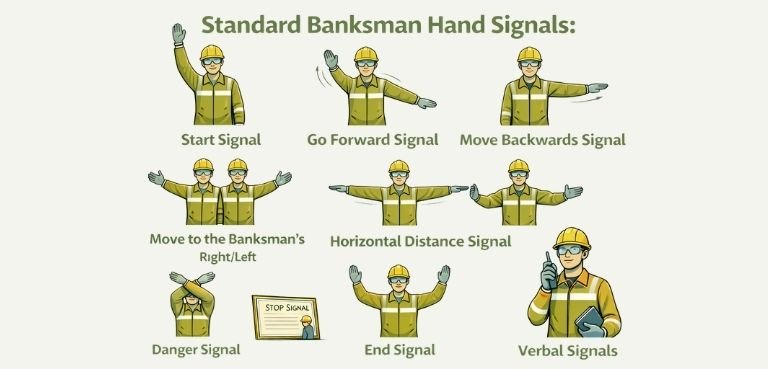
Here are the nine banksman signals:
- Start Signal
- Go Forward Signal
- Move Backwards Signal
- Move to the Banksman’s Right/Left
- Horizontal Distance Signal
- Danger Signal
- Stop Signal
- End Signal
- Verbal Signals
1. Start Signal
The banksman raises one hand straight up to show that it is safe to start the operation. Use this signal only when everyone and everything is ready. It tells the driver or machine operator to begin moving or lifting. Also, the banksman checks the surroundings carefully to make sure no people, vehicles, or obstacles are in the danger zone.
Starting too early can cause accidents, damage equipment, or even injure workers nearby. The banksman should keep the hand clear and steady, and make eye contact with the driver if possible. This signal may seem simple, but it is very important because it sets the operation off safely and ensures everyone feels confident and protected.
2. Go Forward Signal
The banksman points both arms straight forward to show the driver to move ahead slowly. Always check that the way is clear before giving this signal. For example, a lorry may need to enter a narrow space between other vehicles or equipment. The banksman guides it carefully so it does not hit anything. Also, they keep a close eye on workers nearby to make sure everyone stays safe.
The banksman may use small, slow steps while giving the signal to show the driver exactly how fast to go. This makes drivers feel confident and prevents accidents. In addition, clear hand signals help the work move smoothly, safely, and without confusion.
3. Move Backwards Signal
The banksman points both arms behind them to show the driver or machine to reverse slowly. First, make sure the area is clear before giving this signal. For example, a lorry may need to back out of a tight space. The banksman guides it carefully to avoid hitting walls, equipment or people. Meanwhile, they watch everyone nearby to make sure no one steps into the danger zone.
The banksman can use slow, clear movements to show how fast the vehicle should go. Next, this helps drivers feel safe and confident. Finally, using this signal correctly keeps work running smoothly and prevents accidents.
4. Move to the Banksman’s Right/Left
The banksman points one arm clearly to the side to show the driver which way to move. This tells the driver to go right or left slowly. Because of this, the driver understands the direction without confusion. For example, a lorry may need to move around tools or park near a loading area. The banksman guides the driver step by step. During this time, they watch nearby workers and stay in a safe position. The banksman uses slow and clear arm movements. As a result, the driver feels confident, avoids hazards, and keeps everyone safe on site.
5. Horizontal Distance Signal
The banksman holds both arms out to the sides to show the space between the vehicle and an object. This tells the driver how much room is left. First, the banksman checks the gap carefully. For example, a lorry may need to park close to a wall, fence, or another vehicle. The banksman shows the safe distance so the driver does not get too close. While the vehicle moves, the banksman brings the arms closer together to show less space. They spread their arms wider to show more space.
The banksman stands where the driver can see them clearly. This way, the driver stays calm and moves with control. This signal helps avoid damage and keeps people and equipment safe on site.
6. Danger Signal
The banksman waves both arms high and fast to show there is danger. Use this signal as soon as a risk appears. At once, the driver must stop and look at the banksman.
For example, a person may walk into the vehicle’s path. A load may swing too close. The banksman reacts quickly to stop the movement. In that moment, clear and strong actions protect everyone. The banksman stands in a safe place where the driver can see them clearly. This way, the warning feels serious and urgent. This signal prevents injuries and can save lives on site.
7. Stop Signal
The banksman holds one arm straight up with the palm facing the driver. This clearly tells the driver to stop moving. Usually, the banksman uses this signal in a calm way. The stop signal is different from the danger signal. The stop signal means pause and wait. The danger signal means stop because of a serious risk. Because of this, the stop signal uses slow and steady movements, not fast waving.
For example, the banksman may need time to check the area or move people to safety. After that, the driver can continue when the next signal appears. This signal keeps the site organised and helps everyone feel safe.
8. End Signal
The banksman waves both arms slowly above the head to show that the work is finished. First, they check that the area is safe and that all people are clear of the vehicle or load. For example, after a lorry is parked, or a load is lifted and placed safely, the banksman gives this signal. At the same time, it tells the driver and team that they no longer need to focus on moving the vehicle.
Next, the team knows the operation is complete. Also, it shows that the banksman has full control of the site. This signal keeps everyone safe, organised and confident that the work finished properly.
9. Verbal Signals
Sometimes the driver cannot see the banksman clearly. In these cases, verbal signals are used. First, the banksman speaks loudly and clearly so the driver can understand. For example, in noisy areas, at night, or when the driver is far away, the banksman may say “Start,” “Stop,” or “Move forward slowly.” At the same time, they watch the area carefully to make sure no one is in danger.
The banksman may repeat instructions if needed. Next, the driver follows the words exactly. Also, using clear verbal signals helps the team stay calm, avoid mistakes and keep everyone safe on site. This makes work smooth and organised.
Rules for Using Banksman Signals
- Agree on signals first: Before work starts, everyone should know what each hand gesture or word means. This way, you avoid confusion and mistakes.
- Stay visible: The banksman must always be in sight of the driver. Otherwise, accidents can happen quickly.
- Keep a safe distance: Never stand in areas where vehicles or loads might move. Meanwhile, watch the surroundings carefully.
- Use a clear system: Use hand or verbal signals that are easy to see and understand.
- Be steady and slow: Signals should be clear and consistent. This helps everyone feel safe and confident.
Banksman Training Requirements
Banksman training makes sure people can safely guide vehicles on site. Usually, candidates are 16–18 years old or older. Because of this, training helps them follow health and safety rules and feel confident.
Key Training Topics:
- Competence & Knowledge: Learn legal responsibilities, vehicle blind spots and how to spot risks.
- Signalling & Communication: Learn HSE-approved hand signals and clear ways to give instructions.
- Safety Procedures: Know safe positions for guiding vehicles, especially during reversing.
- Physical Ability: Have good distance judgment and be fit for the job.
Training Course Details:
- Duration: Usually 4–5 hours, or a full day for more detail.
- Assessment: Written test and practical check to show skills. After that, candidates know they are competent.
- Validity: Certificates usually last 3 years. Later, refresher training is recommended.
Roles & Responsibilities:
- Site Safety: Keep pedestrian and vehicle areas separate.
- Visibility: Always wear high-visibility clothing.
- Vehicle Control: Guide drivers, especially when reversing, and stop them if you cannot see clearly. In addition, employers must ensure all staff are trained to manage vehicle risks safely.
Final Thought
Banksman signals are vital for keeping everyone safe on site. Without clear signals, accidents, injuries, and damage can happen quickly. Also, proper training and using signals correctly make work easier and safer. Drivers feel confident, and workers know they are protected. Signals create teamwork and help everyone stay alert.
Finally, safety is everyone’s responsibility. Because of this, learning banksman hand signals and following the rules is essential. If you want to improve your skills and stay safe on site, check out our Wise Campus blog. We share practical guides, tips, and training advice to help you work smarter, safer and with confidence.
FAQs
1. What are the three main hand signals for a banksman?
- The three main signals are: Start, Stop, and Move Forwards/Backwards. These guide vehicles safely on site.
2. What are the signals for a lifting banksman?
- Lifting banksmen (slinger-signallers) use Lift Up, Lower, and Swing/Move Load signals. These control cranes or lifting operations.
3. What are the five hand signals for driving?
- The five main driving signals are: Start, Stop, Move Forward, Move Backwards, and Turn Right/Left.
4. How should a banksman signal a horizontal distance?
- The banksman stretches both arms sideways to show the space between the vehicle and objects.
5. Is a banksman the same as a rigger?
- No. A banksman guides vehicles, while a rigger handles lifting equipment and secures loads.
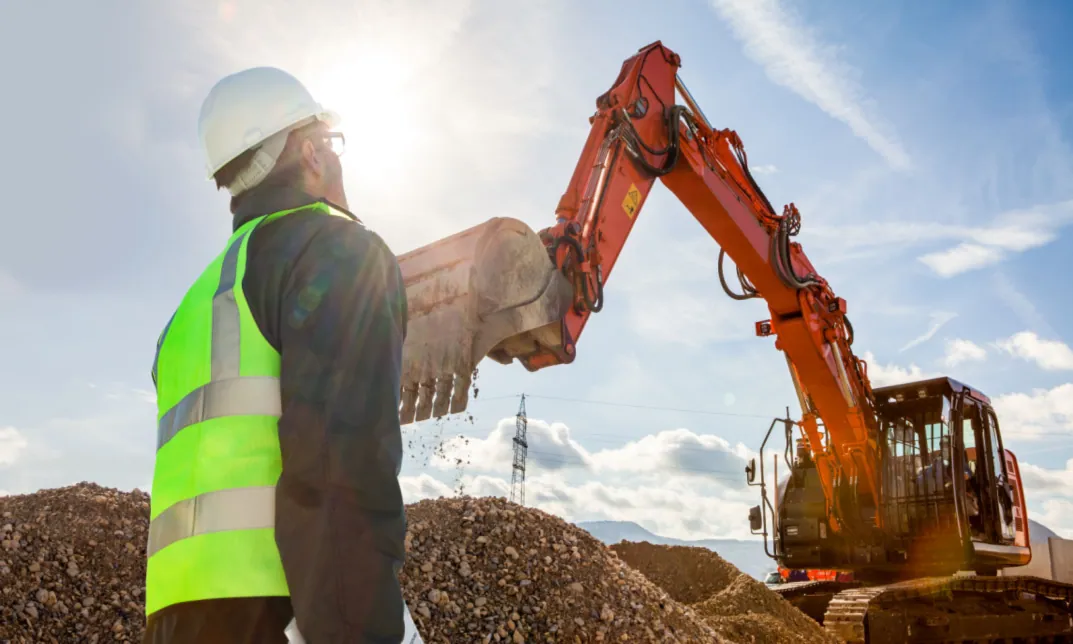
Level 3 Banksman Course
Course Description :
- Certificate: Yes(Free)
- Accreditation: CPD Accredited
- Access: Lifetime