No products in the cart.
A PAT tester checks electrical appliances to keep people safe at work and at home. They spot faults, damage, and hidden risks before accidents occur. So, PAT testing matters because it prevents shocks, fires and costly breakdowns. Every year in the UK, around 1,000 workers suffer electrical accidents like shocks or burns. Sadly, about 25 to 30 of these incidents lead to death. If you enjoy practical work, learning how to become a PAT tester can feel rewarding and meaningful.
To begin, you need proper training and recognised certification. Most people choose a City & Guilds Level 3 course for in-service inspection and testing. The course covers visual checks, electrical testing and key legal safety rules. You also build confidence using testing equipment at work.
Let’s dive in and take a closer look at what you need to become a PAT tester. You’ll need the right training, a recognised certification and practical skills to test electrical appliances safely.
What is a PAT Tester?
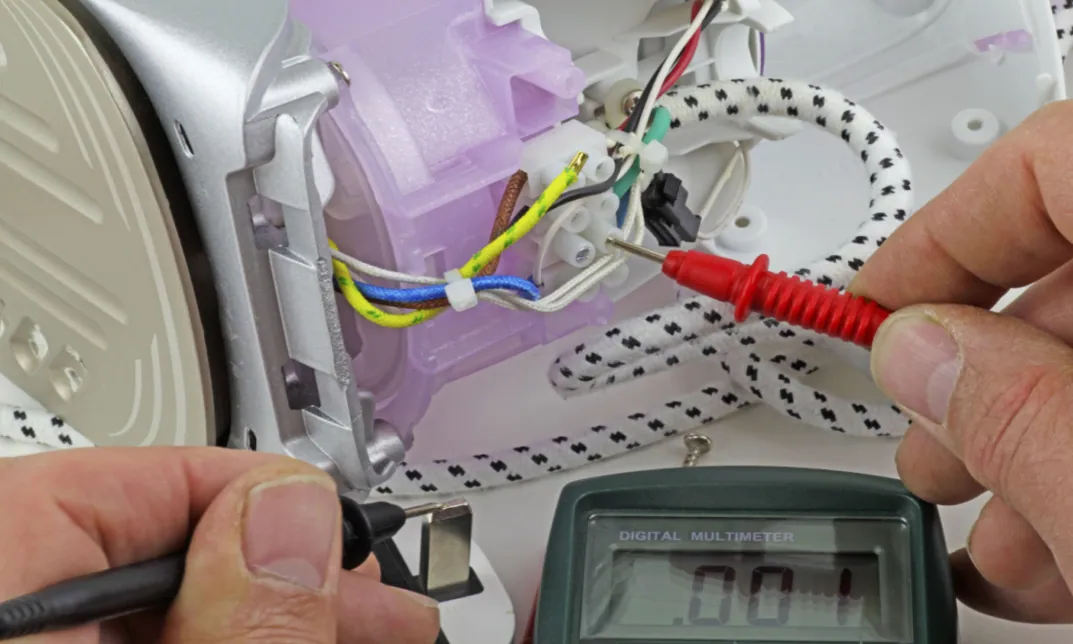
A PAT (Portable Appliance Testing) tester is a small device that checks if electrical equipment is safe to use. It does more than a visual check. It finds hidden problems like broken wires, loose connections, or faulty insulation. Using a PAT tester helps prevent electric shocks, fires and equipment damage, keeping people safe at work and home.
Key Points About a PAT Tester:
- Purpose: A PAT tester makes sure hand-held, portable, and stationary appliances are safe.
- How It Works: It runs tests at 500V or 250V DC and gives accurate readings for resistance or voltage.
- Tests Carried Out: It checks earth continuity, insulation resistance, and sometimes RCD trip times for safety compliance.
- How Tests Are Done: First, you inspect plugs, cables, and casings for visible damage. Then, you run the electrical tests.
- Equipment Used On: PAT testers check computers, kitchen appliances, power tools, extension leads and workshop machinery.
PAT testing is crucial for businesses, landlords, and schools to keep people safe and meet legal requirements. Being a PAT tester is rewarding because your work prevents accidents and protects lives. Only a trained, competent person should operate a PAT tester using trusted devices like Seaward, Megger or Metrel. This ensures every appliance is safe, reliable and ready to use without risk.
Do You Need Qualifications to Become a PAT Tester?
You might be curious about “Do you need a qualification to PAT test?” In the UK, you do not need a formal legal PAT testing qualification to become a PAT tester. You must, however, be “competent”. This means you have the right knowledge or experience to work safely with electrical equipment. Proper training is very important to learn about electrical safety, inspections, and how to use testing tools. A popular qualification is the City & Guilds 2377-77 certificate.
Key Points:
- What ‘Competent’ Means: The Health and Safety Executive (HSE) says a competent person has enough knowledge or experience to prevent danger.
- Why Training Matters: Training is not required by law, but it helps you recognise hazards and understand electrical systems.
- Common Courses: The City & Guilds Level 3 Certificate (2377) is a 2-day course. It teaches both theory and practical testing.
- What You Can Do: For simple visual checks, little training may be enough. But if you want to do electrical testing too, formal training is needed.
- Employer Responsibility: Employers must make sure anyone doing PAT testing is competent for the work.
How to Get PAT Testing Training and How to Become a PAT Tester
Many people ask, “How do I become a PAT tester?” Becoming a PAT tester begins with the right training. Trusted providers like PAT Training Now, Access Training, PATTesters.co.uk, and accredited colleges offer 1- or 2-day courses. These courses teach safety rules, legal requirements and hands-on testing techniques. Most people can join without prior experience, and completing the course usually includes an assessment to earn a certificate.
Another popular question is “Who can do PAT testing?” Let’s check out the details:
Steps to Get Trained
Find a Course
Start by searching online for “PAT testing training”. Many providers offer in-person practical courses across the UK, while some combine online learning with hands-on sessions.
Choose the Right Type
- Level 3 Certificate: The City & Guilds 2377-77 is a professional qualification covering theory, practical testing and fault-finding skills.
- Introductory/In-House Courses: Designed for staff who maintain workplace equipment, these courses are shorter and may focus on basic inspections and safety.
Complete the Training
During the course, you will learn how to follow electrical safety rules, carry out visual inspections, and use PAT testing equipment correctly. The training also teaches you how to identify faulty appliances and decide whether they need repair or replacement.
Pass the Assessment
To complete the course, you take a multiple-choice exam and a practical test. Passing these confirms that you have the skills to work safely as a PAT tester.
Receive Your Certificate
After completing the assessments, you will receive a certificate demonstrating your competence.
Key Information
- Duration: Courses usually last 1 day for basic training or 2 days for full City & Guilds certification.
- Cost: Depending on the provider and course style, costs can range from £100 to £300+.
- Requirements: No formal electrical qualifications are needed. Anyone can join, from maintenance staff to business owners.
- Legal Standing: While a certificate is not legally required, you must be a “competent person” with sufficient knowledge, training and tools.
- Career Benefits: Training boosts confidence, improves job opportunities, and allows you to offer PAT testing professionally or as part of facility management services.
What Skills Do You Need to Be a PAT Tester?
To work as a PAT tester, you must be a “competent person”. This means knowing how to work safely with electricity, spotting hazards and using testing equipment correctly. You also need to carry out careful inspections, record results accurately and understand basic electrical standards. So, the key PAT testing requirements are:
Key Technical Skills
- Electrical Knowledge: You should understand basic electrical principles and know the difference between Class I and Class II equipment. This helps you spot potential hazards.
- Inspection Skills: Learn to check appliances closely for damaged plugs, frayed cables or bad wiring.
- Testing Skills: Know how to use PAT testing machines to check earth continuity and insulation resistance.
- Result Interpretation: Be able to read test results and decide if an appliance is safe.
- Record Keeping: Keep clear and accurate notes of all tests and maintain appliance registers.
- Regulatory Knowledge: Understand the IET Code of Practice and relevant safety rules.
Important Soft Skills
- Attention to Detail: Small faults can be dangerous, so you need to spot even tiny problems.
- Organisation & Time Management: Handle many appliances efficiently without rushing.
- Communication: Explain safety issues clearly to clients or colleagues.
How to Gain Competence
You don’t need to be a qualified electrician, but most employers prefer you have a City & Guilds 2377-77 certificate. Training teaches you how to use testers safely, read results and keep accurate records. Completing a course helps you feel confident and ready to work as a PAT tester.
How to Get Certified as a PAT Tester
Becoming a certified PAT tester in the UK is easier than you might think, and it helps you feel confident testing electrical equipment safely. While the law does not require a certificate, most employers prefer it because it proves you are competent.
Recognised Certificates and Providers
The most popular certificate is the City & Guilds 2377-77 Level 3. Also, trusted providers include PATTesters.co.uk, Access Training and PASS Ltd. These courses teach safety rules, how to test appliances and how to keep accurate records.
Steps to Get Certified
- First, choose a course: Pick a 1-day introductory course or a 2-day full City & Guilds course, depending on your needs.
- Next, attend training: You will learn the IET Code of Practice, how to do visual inspections and how to use PAT testing equipment correctly.
- Then, pass assessments: Complete the multiple-choice exam and practical tests to show your skills.
- Finally, receive your certificate: This proves you are competent and ready to test appliances safely.
Maintaining Your Certification
After that, keep your skills up to date. You can attend refresher courses, practise regularly, and follow the latest safety rules. Many PAT testers renew their training every 3–5 years to stay confident and reliable. Getting certified is not just a formality—it shows you care about safety and take pride in your work.
How Much Can a PAT Tester Earn?
A PAT tester in the UK can earn a solid income, but it depends on experience, location, and workload. On average, a qualified tester earns £22,000–£35,000 per year. Meanwhile, experienced testers in high-demand areas like London can make up to £42,000–£45,000 annually.
Salary Breakdown
- Average Salary: Most testers earn around £28,000–£32,500 per year.
- Entry-Level: Beginners usually earn £16,000–£28,000 depending on the employer.
- Experienced/London: Skilled testers in London or other busy areas can earn £24,000–£45,000, with some specialised roles reaching the top end.
- Bonuses: Many employers give extra pay based on how many items you test. In addition, this reward encourages higher productivity.
- Self-Employed: Freelance testers often charge £1–£2 per item, sometimes with a minimum call-out fee. Over time, this allows flexible earnings depending on workload.
Factors That Affect Pay
- Location: London and the South East offer higher rates than other regions.
- Experience: More experience means faster testing and higher pay.
- Efficiency: Testing more items in less time can increase bonuses.
- Client Base: Building good relationships with clients ensures steady work. As a result, your income becomes more reliable.
Overall, being a PAT tester offers a stable career with the chance to earn more as you gain experience, work efficiently, and grow your client base.
What Jobs Can a PAT Tester Do?
Being a PAT tester opens up a range of interesting jobs. You can work for offices, schools, factories, hospitals, or hotels, checking that all electrical equipment is safe. Facilities management and cleaning companies often hire testers to make sure their clients’ appliances are in good working order. This means every day can bring a different setting and new challenges, keeping the work far from boring.
Some testers choose to work self-employed. This gives freedom to set your own schedule, pick clients and earn based on the number of appliances tested. Over time, building strong relationships with businesses can lead to regular, reliable work and extra income through repeat clients.
PAT testing is also possible to combine with other jobs, such as electrical or maintenance. This not only makes your skillset more valuable but also opens doors to career growth.
Ultimately, being a PAT tester is rewarding because you’re helping keep people safe while enjoying variety, independence and steady work. Every day, you make a real difference—and that feels great.
Is Being a PAT Tester a Good Career?
Pros:
- High job demand – companies always need someone to check electrical equipment.
- Flexible work – especially if you are self-employed. You can set your own schedule and choose clients.
- Career growth – you can supervise teams or provide training over time.
- Variety – you work in different places and help keep people safe.
Cons:
- Repetitive work – checking many appliances can feel boring sometimes.
- High responsibility – missing a fault could be dangerous.
Bottom line:
- If you enjoy hands-on work, variety, and helping people stay safe, being a PAT tester is rewarding. Your skills make a real difference every day.
Tips for Succeeding as a PAT Tester
Being a PAT tester can be a great job, but success needs effort and smart choices. To start with, keep learning. Take refresher courses or extra training whenever you can. This helps you feel confident and learn new ways to test safely. After that, meet and talk to other testers. Join online groups, go to events or chat with colleagues. This helps you get tips, find new clients, and discover better work opportunities.
Also, stay up to date with safety rules and regulations. Laws and guidelines can change, so following the latest advice keeps your work safe and professional. By learning continuously, connecting with others, and keeping informed, you will grow your skills, earn trust, and enjoy a successful career as a PAT tester.
Final Thought
Becoming a PAT tester is more than just a job—it’s a career that keeps people safe, offers variety and gives you real independence. With the right training, recognised certification, and dedication, you can build a rewarding career that grows over time. Whether you choose to work for a company, become self-employed or combine testing with other maintenance roles, your skills make a real difference every day. Staying curious, learning continuously, and connecting with others in the industry will help you succeed and enjoy every step of your journey as a PAT tester.
FAQs on How to Become a Pat Tester
1. What qualifications do you need for a PAT tester?
- You don’t need to be an electrician. You should be a “competent person”, and it’s best to take a recognised portable appliance test certificate course like the City & Guilds 2377-77.
2. How much do PAT testers get paid?
- Salaries range from £16,000 to £35,000, with experienced testers in London earning up to £45,000. Self-employed testers can charge £1–£2 per item.
3. Can you PAT test without being an electrician?
- Yes. You can PAT test if you are trained and competent, even without being a qualified electrician.
4. How much does it cost to become a PAT tester?
- Courses usually cost £100–£300+, depending on the provider and course type.
5. Who can legally do PAT testing?
- Anyone who is trained and competent can do PAT testing. Employers must ensure the tester is qualified to work safely.
6. How to Become a PAT Tester?
- To become a PAT tester, take a recognised course like City & Guilds 2377 Level 3. You’ll learn visual checks, electrical testing, and safety rules. After training and passing the assessment, you get a certificate of competence to test appliances safely at work.
PAT Testing Course (Portable Appliance Testing)
Course Description :
- Certificate: Yes(Free)
- Accreditation: CPD Accredited
- Access: Lifetime