No products in the cart.
A truck moves slowly across a busy construction site. The driver cannot see everything around them. One small mistake could cause an accident. This is where a banksman helps. But what is a banksman? A banksman is a trained person who guides drivers and machine operators. They make sure every vehicle moves safely. They are like the driver’s eyes and ears. Banksmen use hand signals and clear instructions to keep workers, visitors and machines safe. Every signal helps prevent accidents before they happen.
Becoming a banksman is about learning the right skills and getting experience. There is no single certificate because what matters most is being competent. You can train through college courses, apprenticeships, CSCS cards, or on-site programmes. You also need real experience with an experienced banksman. With the right training and focus, a banksman can make any site safer and work more smoothly.
Now let’s dive in and take a closer look at the role of a banksman.
What is a Banksman?
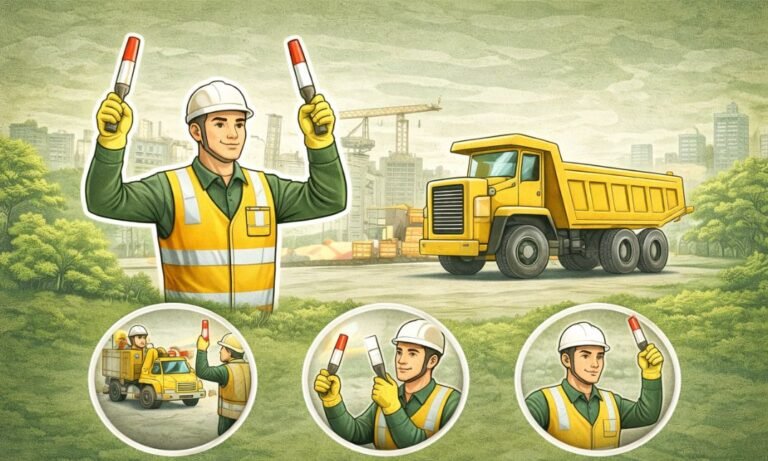
A banksman is a trained person who helps drivers and machine operators move vehicles safely. In simple terms, a banksman is someone who guides drivers, gives hand signals, and monitors the area to prevent accidents. Or, in other words, to define banksman, think of a person who makes sure both people and machines stay safe. Because of this, their role is very important in busy workplaces where vehicles and people work close together.
At the same time, a banksman is different from a traffic marshal or a signaller. Traffic marshals guide vehicles in open areas or on public roads. Slinger signalers help lift and lower loads with cranes. However, banksmen focus on guiding vehicles and machines safely on worksites. They work in construction sites, warehouses, factories, logistics hubs and forestry. Banksmen make every move safe by using precise signals, attentive attention, and focus.
Understanding the Role of a Banksman
A banksman helps drivers and machine operators move vehicles safely on busy worksites. At the same time, they notice the area carefully. They use hand signals or simple instructions so the driver knows what to do. Because of this, their focus on seeing clearly, communicating well, and noticing risks keeps everyone on site safe.
Guiding vehicles is not the same as guiding lifting operations. Banksmen direct trucks, forklifts and other machines on the ground. Meanwhile, slinger signalers help lift and lower loads with cranes. However, both roles need attention and clear signals. What makes banksmen different is their ability to see dangers early and stop accidents before they happen. Overall, their focus and careful instructions make the site safe and easy to work on.
Key Duties and Responsibilities of a Banksman
Here’s what banksmen do to keep everyone safe:
- Guide drivers safely: Banksmen help drivers and machine operators move trucks, forklifts, and other machines safely using clear signals and simple instructions.
- Keep the area safe: They make sure the work area is free from obstacles, other workers, and anything that could cause accidents.
- Follow rules and plans: Banksmen make sure all movements follow site rules and the risk assessment to keep work safe and organised.
- Spot and report hazards: They notice risks early and tell supervisors so problems can be fixed quickly.
- Help improve safety: Banksmen share ideas and feedback to make the site safer for everyone.
- Stay alert all the time: Their eyes are always on the vehicles and surroundings to prevent accidents before they happen.
- Communicate clearly: Banksmen talk or signal to drivers and operators so every move is smooth and safe.
- Work with the team: They coordinate with other workers to make sure machines and people move safely together.
- Prevent mistakes: By guiding clearly and watching carefully, banksmen stop errors and accidents from happening.
- Protect people and machines: Their focus and care make the site safer and help work run without problems.
Why Workplaces Need a Banksman
Here’s why having a banksman matters on busy worksites:
- High traffic areas: Sites with trucks, forklifts and heavy machines can get very busy. That is why a banksman guides every vehicle safely and stops accidents before they happen.
- Challenging environments: Narrow spaces, poor visibility, and crowded sites make moving vehicles risky. Because of this, banksmen help drivers move safely and feel more confident.
- Safety benefits: Banksmen watch the area carefully and give clear hand signals. At the same time, they protect workers, visitors and machines and prevent accidents from happening.
- Legal compliance: Some industries require a trained banksman by law. This also means having one shows your workplace follows safety rules and avoids fines.
Essential situations:
- Reversing vehicles safely: Banksmen help drivers move large trucks or forklifts in tight spaces without accidents.
- Moving machines near people: They make sure machines move safely around workers and visitors.
- Busy worksites: Banksmen are important on construction sites, in warehouses, or at logistics hubs where the area is complicated.
- Deliveries in hard-to-see areas: They guide vehicles safely in places like forestry sites or factory yards.
Banksman Signals and Hand Communication
Banksman hand signals are one of the most important tools a banksman has. Because of this, drivers and machine operators can move safely, even in busy or tricky areas. Banksmen use hand signals and simple words to show drivers exactly what to do. This keeps everyone safe and helps work move smoothly. Common hand signals include stopping, moving forward, turning, and reversing. At the same time, banksmen use verbal instructions when the driver cannot see clearly, or the vehicle is very large. That is why both the banksman and the driver must know the signals well and follow them every time. Doing this consistently helps prevent accidents.
The Health and Safety (Signs and Signals) Regulations 1996 give clear rules on how banksmen should use hand and verbal signals. Also, workplaces can agree on extra signals as long as everyone understands them. This is why training is very important, so banksmen can guide vehicles safely and drivers respond quickly. By using clear signals, banksmen protect people and machines. At the same time, they keep the worksite safe, and work moves smoothly. Their focus and care make a big difference every day.
Skills and Knowledge Needed to Be a Banksman
Here’s what a banksman needs to do the job safely and well:
- Clear communication: Use simple hand signals and short words so drivers understand quickly.
- Strong attention: Watch vehicles, people and space at all times to notice danger early.
- Teamwork: Work closely with drivers and site workers so everyone moves safely together.
- Good sense of space: Judge distance and movement to guide vehicles without risk.
- Site knowledge: Know the layout, routes and busy areas of the worksite.
- Vehicle awareness: Understand how trucks, forklifts and machines move and stop.
- Safety thinking: Follow safety rules and spot risks before accidents happen.
- Practical learning: Gain experience on-site with support and supervision.
- Confident guiding: Combine skills and experience to give clear and safe direction.
- Care for safety: Protect people, machines and the work area every day.
Training and Qualifications for Banksmen
There are no mandatory qualifications needed to become a banksman. Instead, skill and confidence matter most. A banksman must stay alert and guide vehicles safely. To begin with, many people learn through college courses or apprenticeships. Others learn on-site by working with experienced teams. At the same time, CSCS cards help show basic safety knowledge. Step by step, these options build real skills and a clear understanding.
Next, site-specific training becomes important. Every site is different, so learning the layout comes first. After that, banksmen learn about vehicle types and daily risks. They also practise safety steps and what to do in an emergency. Over time, refresher training keeps skills fresh and focus strong. Because of this, banksmen stay ready and help keep people and machines safe every day.
Tips for Becoming a Competent Banksman
To become a good banksman, start by getting real experience on busy sites. First, spend time with vehicles and watch how they move in tight spaces. Then, learn and practise all hand and verbal signals so drivers can understand you easily. At the same time, know the safety rules, risk assessments and site guidelines. These help keep everyone safe.
Next, watch experienced banksmen carefully. See how they guide vehicles and handle tricky situations. Start with simple tasks and slowly take on harder jobs. Always stay alert and focused. Being patient and paying attention is more important than moving fast. Finally, keep your skills fresh with regular training or refresher courses. By doing all this, you will guide vehicles safely, protect people and make work run smoothly on site.
Final Thoughts on a Banksman
So, what is a banksman? A banksman is more than just a guide. In fact, they are the eyes and ears on a busy site. They make sure vehicles move safely and stop accidents before they happen. By giving clear hand signals, watching for dangers, and keeping the area safe, they protect people and machines. Everything they do helps the site stay safe, and work runs smoothly.
To become a confident banksman, you need training and real experience. A good banksman makes quick decisions, communicates clearly and keeps work moving safely. Without one, even small mistakes can cause serious accidents. So, if your site has trucks, forklifts, or heavy machines, a skilled banksman is very important. They protect people, keep machines safe, and help the site run better. By learning the right skills and practising regularly, a banksman can make any workplace safer and easier for everyone.
FAQs
1. What is the role of a banksman?
- A banksman guides drivers and machine operators to move vehicles safely. They use hand signals, watch the area and prevent accidents on busy sites.
2. Do you need a qualification to be a banksman?
- No formal qualification is needed. What matters most is skill and experience. Training and on-site practice make you competent.
3. How much does a banksman earn?
- Pay changes by location and experience. On average, banksmen earn between £20,000 and £35,000 per year in the UK.
4. What is another name for a banksman?
- Banksmen are sometimes called “signalmen” or “vehicle guides”, depending on the site or industry.
5. What skills are important for a banksman?
- Key skills include clear communication, attention, teamwork, spatial awareness and safety knowledge.
6. What do you call someone who can fix everything?
- That’s a handyman! They fix, repair and handle small jobs around homes or sites.
7. What is a fancy name for a handyman?
- You could call them a “maintenance technician” or “multi-skilled operative”.
Level 3 Banksman Course
Course Description :
- Certificate: Yes(Free)
- Accreditation: CPD Accredited
- Access: Lifetime