No products in the cart.
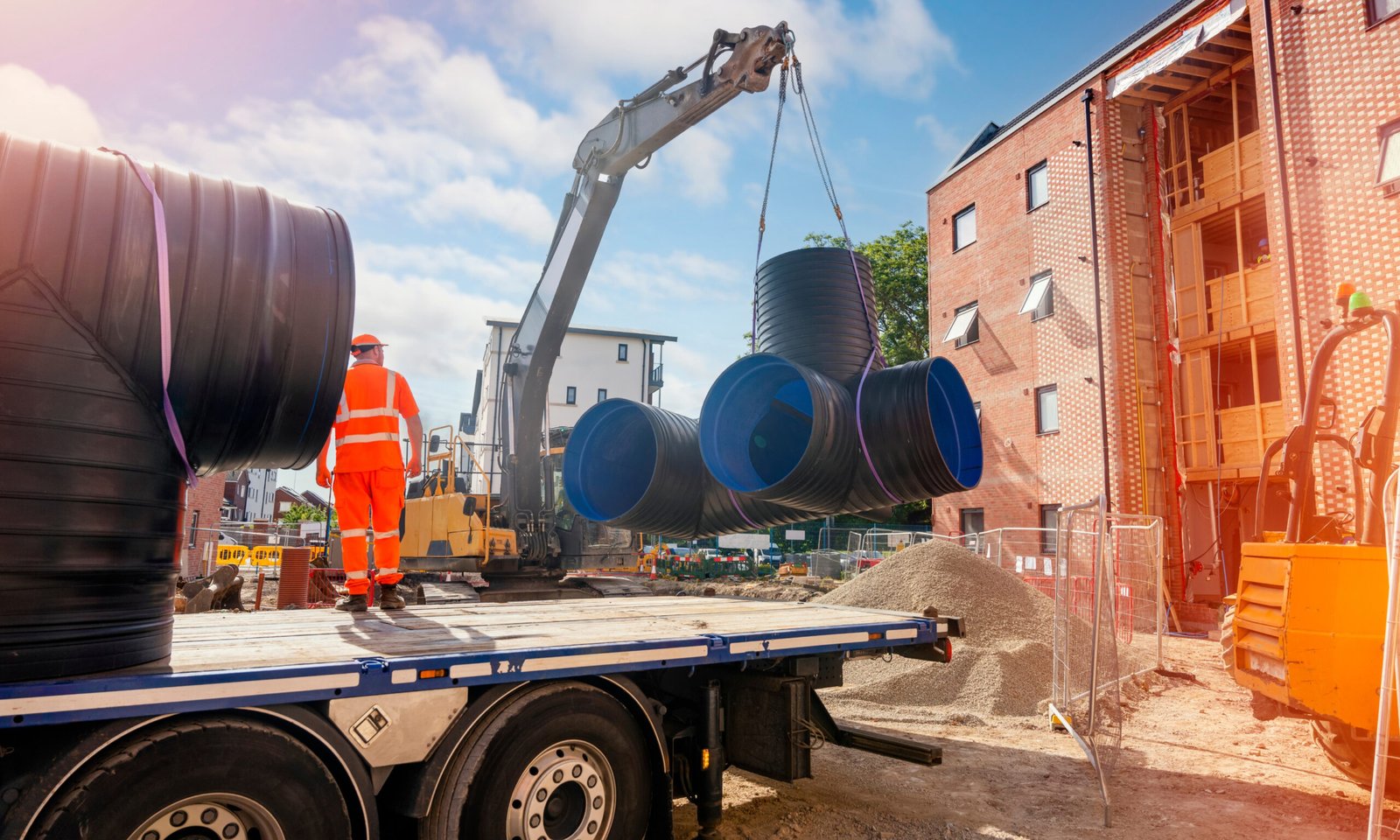
Heavy machines move through narrow lanes. Trucks squeeze into tight corners, and workers walk around busy sites. At moments like this, one wrong move can cause serious accidents. This is where the banksman’s role shows its impact. But what is a banksman? What does banksman meaning actually mean? Simply put, a banksman is a trained worker. They guide drivers, control vehicle movement and keep everyone on site safe. They are like the eyes and ears that stop accidents before they happen.
You will see banksmen working on construction sites, in warehouses, factories, and on busy roads. Every day, they work in busy and risky places, so their main job is to keep everyone safe. To do this, they guide drivers using simple hand signals and clear instructions. At the same time, they always follow safety rules to stop accidents. To become a banksman, you need proper training, and many sites ask for a CSCS card. In the UK, starting pay is usually £15 to £17 per hour, and with experience, it can go up to £19 or more. They also need to wear safety clothes, know all the signals, and stay alert while on the job.
Now, let’s dive in and explore what it means to define a banksman.
What Is the Banksman Meaning in Workplace Safety?
Worksites are busy and can be dangerous. Trucks turn in small spaces, machines make loud noise, and people walk around all the time. Because of this, one mistake can cause an accident. That is why the banksman role is so important. A banksman is a trained worker who guides drivers, looks out for dangers, and keeps everyone on site safe. Simply put, they act as the site’s eyes and ears, preventing accidents before they happen.
You can find banksmen on construction sites, in warehouses, factories, and on busy roads. They guide drivers using clear hand signals and simple instructions. At the same time, they always follow safety rules. Banksmen do not drive the vehicles themselves. Instead, the driver moves the vehicle while the banksman makes sure it is safe at every step. This way, workers, pedestrians, and equipment are protected at all times.
Define Banksman: What Does It Mean for Beginners?
A banksman is the safety guide for drivers in tricky or crowded areas. They guide drivers, control vehicle movement, and make sure no one gets hurt. Because of this, site managers or employers choose a banksman whenever vehicles or heavy machines move in tight or crowded areas.
You will see banksmen on construction sites, in warehouses, factories, and on busy roads. To do their job properly, they need training. This teaches them how to use hand signals, follow safety rules, and stay alert. That way, a good banksman becomes the person everyone trusts to stop accidents and keep work running safely.
Where Banksmen Are Needed Most?
Here’s where banksmen make the biggest difference:
- Construction sites – Banksmen help trucks, cranes, and big machines move safely. They stop accidents and keep workers safe.
- Warehouses and factories – They guide forklifts and delivery vans so nothing crashes and work goes smoothly.
- Busy roads and streets – Banksmen control vehicle movement where cars, trucks, and people are close together.
- Railways and transport areas – They make sure trains, trucks, and machines work safely near each other.
- Tight spaces – Banksmen help drivers in narrow areas or where visibility is limited.
- Open sites – They keep vehicles away from workers to avoid accidents.
- Event sites or temporary work areas – Banksmen control trucks and equipment during short-term work safely.
- High-risk areas – They watch machines and vehicles closely to stop accidents before they happen.
What Is the Meaning of Banksman on Construction Sites?
A banksman does more than just guide vehicles. First, they watch the site carefully and spot dangers that drivers or workers might miss. For example, they check for uneven ground, loose materials, or people in blind spots. Then, they give clear instructions so trucks and machines move safely. At the same time, they stay in touch with drivers and workers to keep everyone coordinated.
Moreover, banksmen plan ahead to prevent accidents before they happen. They notice hidden risks like overhead cables, unstable scaffolding, or shifting loads. When something unexpected happens, they act quickly to guide vehicles and keep workers safe. Overall, their careful attention and quick actions help the site run smoothly. Without a banksman, even simple tasks can become dangerous.
What’s the Difference Between a Banksman, Traffic Marshal, and Slinger Signaller?
Banksmen, traffic marshals, and slinger signallers all help keep work sites safe, but their jobs are different. Banksmen guide vehicles, monitor blind spots and ensure workers stay out of danger. On the other hand, traffic marshals control traffic near busy roads or construction areas to stop accidents. Meanwhile, slinger signalers help crane drivers move heavy loads safely and make sure nothing falls on anyone. When everyone knows their role, work runs smoothly and accidents are less likely to happen.
What Are Banksman Signals and Why They Matter
Banksman signals are the secret language of busy worksites. They use signals to tell drivers exactly what to do and help stop accidents. So, all signals must be agreed on before work starts. This makes sure everyone understands each other and stays safe.
Signals can be hand signs or spoken instructions. For example, hand signals work best when it is noisy or when drivers are close by. Meanwhile, spoken or radio signals are used when machines are far apart or it is hard to see. Using signals correctly keeps everyone safe and avoids mistakes.
What Are the Standard Banksman Hand Signals?
Banksmen use different hand signals to guide drivers safely. Each signal shows exactly what the driver should do, such as moving forward, reversing, or maintaining a distance. This way, drivers know every step clearly, and accidents are avoided. Here are the main signals they use on site:
Start Signal
The start signal tells the driver it is safe to move. First, the banksman checks that the area is clear. Then they make sure the driver is ready. This way, accidents are avoided right from the start.
Move Forward Signal
This signal indicates that the driver should move forward slowly and safely. At the same time, the banksman watches for obstacles like walls, machines, or workers. This keeps the vehicle on the right path.
Move Backwards Signal
Reversing is one of the most dangerous moves on site. The banksman signals clearly while checking blind spots. This makes sure nothing is in the way.
Move to the Banksman’s Right Signal
The right signal tells the driver to move safely to the right. The banksman also checks for hidden dangers like cables or other vehicles. This prevents crashes and keeps work smooth.
Move to the Banksman’s Left Signal
The left signal guides the vehicle safely to the left. The banksman makes sure there is enough space for workers and equipment. This helps avoid bumps or scrapes.
Horizontal Distance Signal
This signal shows how much space is around the vehicle. It is very useful in tight spaces. Following it stops small accidents and keeps work moving.
Stop Signal
The stop signal pauses the vehicle safely. For example, if a worker walks into a blind spot, the banksman stops the driver. This keeps everyone safe without sudden danger.
Danger Signal
The danger signal is for emergencies. The banksman signals the driver to stop immediately. It warns about hazards like falling objects, slippery ground, or unexpected obstacles.
End Signal
The end signal shows the job is done and the vehicle is in place. Other workers then know it is safe to move around. This avoids confusion and keeps the site safe.
When Are Radio or Verbal Signals Used Instead of Hand Signals?
When hand gestures aren’t enough:
- Bad weather – Rain, fog, or snow can hide hand signals, so radios or talking are needed.
- Long distances – If the driver is far away, speaking or using a radio makes instructions clear.
- Big machines – Large vehicles can block hand signals, so verbal guidance helps.
- Noisy work sites – Engines and machines make noise, so talking keeps everyone safe.
Hand signals still come first because they are the most reliable way to communicate. When visibility is good, they keep instructions simple, reduce mistakes, and help everyone stay safe.
Which Laws and Regulations Apply to Banksman Hand Signals?
Banksman hand signals are very important because they keep everyone safe on busy work sites. For example, the Health and Safety at Work Act says employers must protect workers from harm. This includes making sure vehicles move safely with clear instructions. Also, the Health and Safety (Signs and Signals) Regulations 1996 give simple rules for hand and visual signals. These rules help drivers and workers understand instructions quickly, even when it is noisy or crowded.
Next, employers must check the site for risks and put safety measures in place before work starts. At the same time, banksmen have a legal duty to use signals correctly every time. By following these rules, sites stay safe, accidents are avoided, and work runs smoothly.
What PPE Must a Banksman Wear on Site?
A banksman must wear the right PPE to stay safe on site. First, they wear high-visibility clothes so drivers and workers can see them easily. Next, they need a safety helmet to protect their head and strong safety boots to protect their feet. Also, gloves or other protective gear keep their hands and arms safe when they work near machines and vehicles.
PPE also helps make signals clear and safe. For example, when a banksman is easy to see and properly protected, drivers can follow their hand signals without mistakes. This way, accidents are less likely, everyone stays safe, and work on the site runs smoothly.
What Training Is Needed to Become a Banksman?
To become a banksman, you need the right training to stay safe and do your job well. First, awareness training teaches you how to spot dangers and follow safety rules. Next, practical signal training shows you how to guide vehicles safely using hand signals and radios. Then, site-specific training helps you learn the rules and risks of each workplace.
Training does not stop there. Also, banksmen take refresher courses to learn new rules and keep their skills up to date. This way, they can prevent accidents, protect workers, and make sure the site is safe and runs smoothly every day.
Is a CSCS Card Required for Banksman Work in the UK?
A CSCS card is not always needed for banksman work, but it can be very helpful. For example, you need it when working on construction sites or near big machines. The card shows that you have the right training and know how to work safely. It also tells employers that you can do the job properly.
Also, having a CSCS card can help you get more work. Many sites only let workers with a card enter. Because of this, it makes moving around sites easier, helps employers trust you, and keeps everyone on-site safe.
How Much Does a Banksman Earn in the UK?
Banksmen in London can earn a good wage, and pay depends on experience and the type of site. To start, entry-level banksmen usually earn between £15 and £17 per hour. Next, as you gain experience, pay often rises to around £19 per hour or more. On busy or high-risk sites, wages can be even higher. Overall, full-time banksmen can earn about £31,000 to £35,000 a year.
Pay can also change for other reasons. For example, large construction sites or dangerous areas usually pay more, while smaller sites may pay less. Location matters too. For example, wages in London and big cities are often higher than in smaller towns. Working extra hours or having special skills can increase pay. This means experienced banksmen can earn well and have strong career opportunities.
What Skills Do Banksmen Need on Site?
Here are the key skills that make a banksman effective on site:
- Clear communication – Give short and simple instructions so drivers and workers understand easily. Mistakes can cause accidents, so your instructions must be easy to follow.
- Focus and awareness – Always watch what is happening around you. Spot hazards like moving vehicles, obstacles, or people in blind spots before they become dangerous.
- Confidence and control – Guide vehicles safely and make decisions without hesitation. Drivers need a confident banksman to follow safely.
- Calm decision-making – Stay calm even when the site is busy or noisy. Quick, steady choices prevent accidents and keep work moving smoothly.
- Teamwork with drivers – Work closely with drivers and other workers. Cooperation keeps everyone safe and helps the site run efficiently.
Final Thoughts: Why Does Banksman Meaning Matter?
Understanding banksman meaning is more than just knowing a job title. In fact, a banksman guides drivers, uses clear hand signals, and watches for dangers on busy sites. Because of this, training and staying alert are very important. As a result, every instruction they give can stop accidents, protect workers, and save equipment. This way, the site stays safe and work runs smoothly.
The role is very important because communication and teamwork save lives. For example, a skilled banksman spots risks before they happen and works with drivers so everyone knows what to do. Therefore, banksman meaning is about focus, responsibility, and quick decisions. Overall, a confident and trained banksman is the key to keeping any busy site safe.
Frequently Asked Questions (FAQs)
1. What is the role of a banksman?
- A banksman guides vehicles safely on busy sites, spots hazards, and keeps everyone safe.
2. What is a banksman’s salary?
- Banksmen usually earn £15–£17 per hour starting, rising to £19+ per hour with experience.
3. What is another name for a banksman?
- They are sometimes called a signalman or traffic guide on site.
4. Do you have to be trained to be a banksman?
- Yes, training is needed to use signals, follow safety rules and prevent accidents.
5. How long is a banksman course?
- Most courses last 1–2 days, with practical and safety training included.
6. Is a banksman the same as a rigger?
- No. A rigger moves and secures loads, while a banksman guides vehicles safely.
7. What is the 3-3-3 rule for lifting?
- It means 3 points of contact, 3 checks before lifting, and 3 helpers if needed to lift safely.