No products in the cart.
Accidents at work can happen very quickly. For example, someone might slip, a machine could break, or a chemical might spill. So, how can we prevent these accidents? That is where RIDDOR comes in to help. First of all, let’s understand what does RIDDOR stand for and what it means.
RIDDOR is the Reporting of Injuries, Diseases and Dangerous Occurrences Regulations 2013. In simple terms, it is a UK law that requires employers and those in charge of workplaces to report serious accidents to the Health and Safety Executive (HSE) or local authorities.
This is important because reporting is not just paperwork. It helps keep everyone safe. By recording injuries, dangerous events, and work-related illnesses, workplaces become safer for all. RIDDOR covers serious injuries, work-related deaths, dangerous near-misses, and work-related diseases. Which is why knowing the basics helps protect workers, visitors, and contractors.
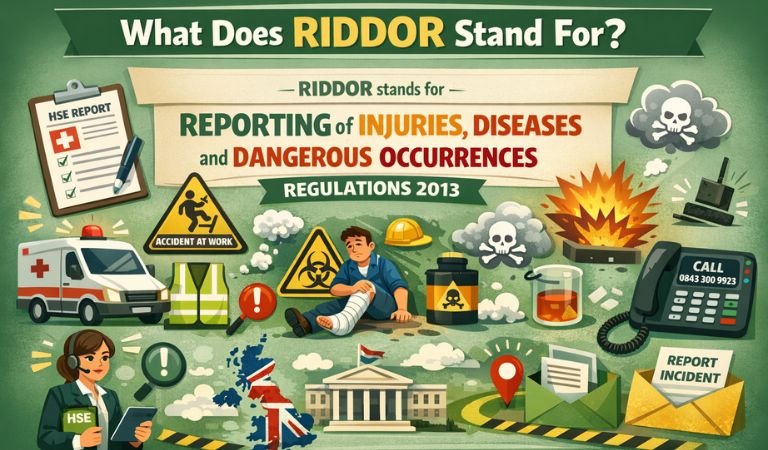
Now, let’s dive in and explore RIDDOR from a closer perspective.
Understanding RIDDOR
What Does RIDDOR Stand For?
RIDDOR stands for the Reporting of Injuries, Diseases and Dangerous Occurrences Regulations 2013. In simple words, it is a UK law that requires serious accidents and incidents at work are reported to the Health and Safety Executive (HSE) or local authorities.
A little history: RIDDOR was created to make workplaces safer across the UK. At first, the rules for reporting accidents were unclear, and many incidents were not recorded. Then, in 1995, new rules made it easier for employers to report serious incidents. Later in 2013, RIDDOR 2013 was introduced to update the rules and simplify reporting. Since then, it applies to all workplaces, including offices, factories, and construction sites.
The main purpose: RIDDOR makes sure serious accidents, injuries, diseases, or dangerous events are not ignored. Because of this, the authorities can investigate what happened, take action, and prevent similar accidents from occurring again. This also keeps workplaces safer for everyone, including workers, visitors, and contractors.
What Does RIDDOR Do?
RIDDOR provides clear rules for employers, the self-employed, and anyone in charge of a workplace. Simply put, if a serious accident or problem occurs, they must report it to the HSE or the local authority. By reporting it, the authorities can see what went wrong and take action to keep everyone safe. The aim is simple and clear – stop similar accidents from happening again.
This includes:
- Work-related deaths – when someone dies because of a work accident
- Serious injuries to workers – like broken bones, deep cuts, or bad burns
- Occupational diseases – illnesses caused by work, such as asthma, skin problems, or hand-arm pain
- Dangerous occurrences (near-misses) – events that could have caused serious harm but did not
Why it matters: Reporting incidents under RIDDOR helps keep workplaces safe. At the same time, it ensures businesses comply with the law. Because of this, similar accidents are less likely to happen again. In short, RIDDOR protects workers and helps employers run a safe workplace.
Who Must Report Under RIDDOR
Responsible Persons and Employers
First, understand one simple point: the responsible person must report serious workplace accidents. Usually, this is the employer. But if someone else is in charge, like a site manager or main contractor, they must take the responsibility. In other words, if you control the work, the duty is yours.
The law, called the Reporting of Injuries, Diseases and Dangerous Occurrences Regulations 2013, makes this very clear. For example, if a worker is badly injured, the employer must report it. They cannot ask the injured worker to do it. Instead, they must act quickly and give the correct details. This is a legal rule.
Now, think about self-employed workers. If you work for yourself, you must report any serious accidents linked to your work. You cannot ignore it or give the job to someone else. So, the rule is simple: if you control the work, you are responsible.
Others in Control of Work Premises
Sometimes, the employer is not the only person in charge. For example, if you manage or control a workplace, you also have to report serious incidents. This includes site managers, building owners, or contractors running a project. So, if something serious happens on the premises you control, you may need to report it.
However, ordinary workers cannot make a RIDDOR report unless they are the responsible person. The same goes for members of the public. In short, the legal duty is always with the person who controls the work or the premises.
Raising Concerns Without Reporting
Not the responsible person? Even so, you can still speak up. In fact, it is important to do so.
Only the responsible person can make an official RIDDOR report. But others can still help. Employees and the public can contact the Health and Safety Executive directly. For example, you can inform them about unsafe work practices, serious risks, or dangerous conditions.
Speaking up early can make a big difference. Small problems often appear before serious accidents happen. So, by raising a concern quickly, you help stop harm. You protect workers, visitors, and everyone nearby. Sometimes, one simple action can prevent a serious injury.
Reportable Accidents and Incidents
What Is RIDDOR Reportable Accident?
A RIDDOR reportable accident is an incident that occurs suddenly, is clear, and results in someone being injured at work. For example, a falling object could hit a worker, or someone could be injured in a work-related fight. But injuries that develop slowly over time, such as back pain from lifting or repeated strain, are not reportable under RIDDOR. So, only sudden accidents that cause injury need to be reported.
Work-Related vs Non-Work-Related Accidents
A work-related accident happens because of the job you are doing. For example, if you get hurt while using a machine or carrying materials, it counts. But if the accident happens just because you are at work, and it is not connected to your job, it does not count. So, the main point is whether the injury is linked to your work tasks.
To check if an accident is work-related, think about these points:
- Activity: What was the person doing when the accident happened?
- Location: Where did it happen? Was it part of the work area?
- Equipment: Were any tools, machines, or chemicals being used?
- Supervision: Was someone in charge or watching the work?
- Environment: Did things like wet floors, poor lighting, or broken equipment cause the accident?
Types of Reportable Injuries
Some injuries are serious and must be reported under RIDDOR. These include:
- Serious injuries: broken bones, amputations, loss of sight, or severe burns.
- Time off work: any injury that keeps someone off work for more than 7 days.
- Injuries to others: accidents where members of the public or volunteers need hospital treatment.
Occupational Diseases Reportable Under RIDDOR
Some illnesses happen because of the work people do, and these must be reported. For example, carpal tunnel syndrome, skin problems like occupational dermatitis, hand-arm vibration syndrome, and occupational asthma all need reporting. That’s why it is important to report them quickly. Doing this helps prevent the illness from worsening and keeps workers healthy and safe.
Dangerous Occurrences (Near Misses)
Some serious events could almost cause harm, even if no one gets hurt. That’s why it is also important to report them. For example, these events include:
- The equipment breaking down, which could have caused an injury
- Building or structure collapse, putting people at risk
- Gas leaks that could cause explosions or poisoning
- Explosions, even if no one was hurt
How to Report RIDDOR Incidents
Reporting Methods
You can report RIDDOR incidents online using the HSE website. But if it is urgent, you should report it by phone straight away. Also, make sure to follow the correct timelines for serious and minor incidents. By reporting on time, you help keep everyone safe and follow the law.
Writing a RIDDOR Report
Make sure you give the following information when reporting a RIDDOR:
- Date: When the accident or event happened
- Location: Exactly where it took place
- People involved: Names and roles of everyone affected
- Description: A clear and simple account of what happened
- Keep it factual: Only write the facts so authorities can understand quickly
Employer and Employee Responsibilities under RIDDOR
Employers must report all accidents quickly and keep clear records. They should also train staff, assess risks, and provide appropriate personal protective equipment (PPE) to everyone. Doing this keeps the workplace safe.
Employees must follow safety rules and report any hazards to the appropriate person. They should also assist with investigations and provide accurate information. By working together, employers and employees can stop accidents and keep everyone safe.
Why RIDDOR Matters
Legal Importance
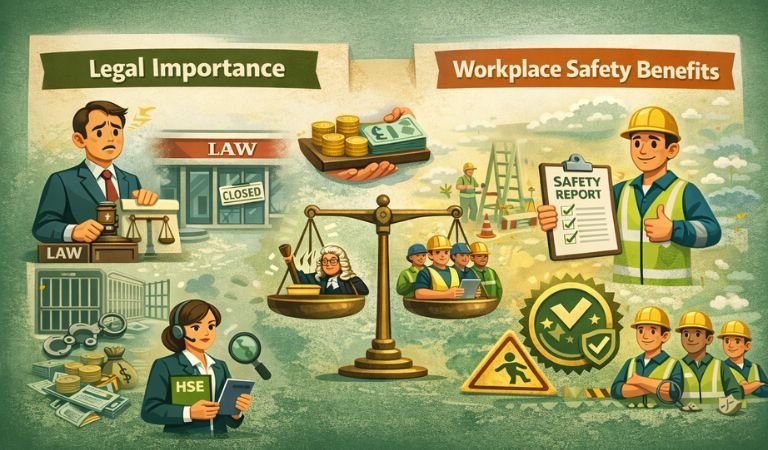
RIDDOR is a UK law. You must follow it. If you do not report a serious accident, you can get a large fine. In addition, your business may face court action or even close. In very serious cases, the person in charge can face prison time. At the same time, the HSE checks workplaces and takes action when rules are broken. As a result, injured workers may also seek compensation.
Workplace Safety Benefits
Reporting accidents does more than follow the law. It helps prevent future harm. When employers record accidents and near misses, they can see what went wrong. Then, they can fix the problem. As a result, workers, contractors, and visitors stay safer. Over time, regular reporting helps build a strong safety culture in which everyone thinks safety first.
Final Words on RIDDOR Essentials
So, what does RIDDOR stand for? It stands for the Reporting of Injuries, Diseases and Dangerous Occurrences Regulations 2013. In simple terms, it is a UK law that protects people at work. More importantly, it explains what employers must report, when they must report it, and how they should do it.
Now you also understand what does RIDDOR do. In short, it gives clear duties to employers and those in charge. They must report serious injuries, deaths, diseases, and dangerous events without delay. By doing this, they follow the law and protect both their workers and their business.
Most importantly, RIDDOR helps prevent future accidents. When you report incidents on time, you reduce the risk of the same problem happening again. If you are unsure, check the HSE website or speak to a qualified safety adviser. Taking action today helps keep everyone safe tomorrow.
Frequently Asked Questions (FAQs)
What 5 Things Must Be Reported to RIDDOR?
You must report:
- Work-related deaths
- Major injuries, such as broken bones or losing eyesight
- Injuries that keep someone off work for more than 7 days
- Work-related diseases
- Dangerous events that could have caused serious harm
If it is serious and work-related, it likely needs to be reported.
What Are the 7 Categories of RIDDOR?
RIDDOR covers these main areas:
- Deaths
- Specified injuries
- Over 7-day injuries
- Injuries to non-workers
- Occupational diseases
- Dangerous occurrences (near misses)
- Gas-related incidents
These categories help decide what must be reported.
What Does RIDDOR Mean?
RIDDOR means Reporting of Injuries, Diseases and Dangerous Occurrences Regulations 2013. In simple words, it is a UK law. It tells employers to report serious work accidents and illnesses.
Is a Broken Finger RIDDOR?
It depends. If the broken finger happens at work and counts as a specified injury, you must report it. If it is minor and does not meet the rules, you do not need to report it.
What Injuries Do Not Need Reporting to RIDDOR?
You do not report minor injuries. For example, small cuts, light bruises, or injuries that do not require hospital treatment and do not result in more than 7 days off work. If it is not serious or work-related, it usually does not need to be reported.
What Are the Four Types of Incident Reports?
Most workplaces use these types of reports:
- Accident reports
- Near miss reports
- Injury reports
- Safety hazard reports
Each one helps keep the workplace safe.
What Are the 8 Types of Reportable Incidents?
Under RIDDOR, reportable incidents include:
- Deaths
- Specified injuries
- Over 7-day injuries
- Injuries to the public
- Work-related diseases
- Dangerous occurrences
- Gas incidents
- Major system failures that risk serious harm
If the incident is serious and work-related, always check whether it must be reported.

RIDDOR Training
Course Description :
- Certificate: Yes(Free)
- Accreditation: CPD Accredited
- Access: Lifetime