No products in the cart.
Many people want a career that helps others relax and feel better. Massage therapy offers flexible work and strong demand. So, many beginners ask: how can I become a massage therapist. To become a massage therapist in the UK, you must complete an accredited Level 3 Diploma in Massage. This course covers anatomy, physiology, and pathology. Usually, training takes 6 to 12 months. After that, you must get professional liability insurance before you start working.
Next, you need to gain practical skills and confidence. Then, many therapists register with a professional body like the Federation of Holistic Therapists (FHT). Also, some people choose an apprenticeship to gain real experience. As a result, they build trust and grow their skills step by step.
In this guide, you will learn the steps, training, and skills needed in the UK. Moreover, you will understand the full path to start this career with confidence.
What Qualifications Do You Need to Become a Massage Therapist?
To work as a massage therapist in the UK, you need proper training and skills. First, most people complete a Level 3 Diploma in Massage or Sports Massage. Common providers include ITEC, VTCT, and City & Guilds. These courses teach the basic knowledge needed for the job.
Also, the UK has no strict national licence for massage therapists. However, employers and insurers expect recognised qualifications. Because of this, professional training helps you find work and gain client trust.
Key qualifications and requirements
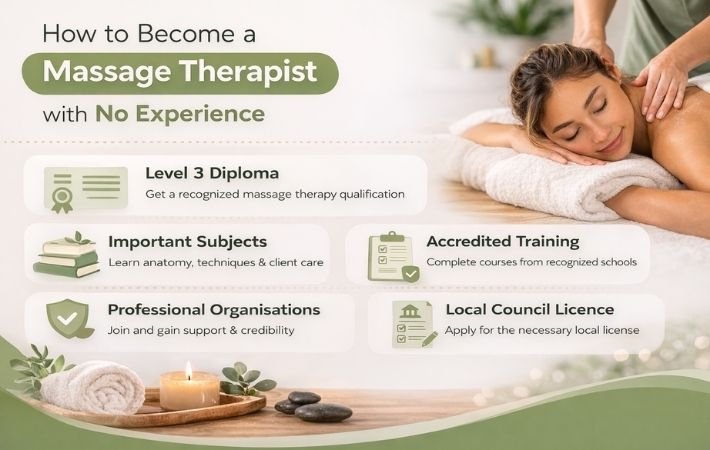
- Level 3 Diploma
This diploma is the main entry qualification for massage therapy. It teaches practical skills and professional standards. - Important subjects
Students study anatomy, physiology, and pathology. They also learn safe massage techniques and client care. - Accredited training
Next, choose a course regulated by Ofqual. This ensures your qualification is trusted by employers and insurance companies. - Professional organisations
Moreover, many therapists join groups like the Complementary and Natural Healthcare Council (CNHC) or the Federation of Holistic Therapists (FHT). Membership improves credibility and career opportunities. - Local council licence
Sometimes, you may need a special treatment licence from your local council. This licence allows you to offer treatments in certain areas.
Finally, the right qualification and registration help you start your career with confidence and build a strong reputation.
How Long Does It Take to Become a Massage Therapist?
Becoming a massage therapist can take 3 to 18 months. The exact time depends on the type of course, study schedule, and how much practice you get. Usually, a standard Level 3 Diploma in Massage in the UK takes about six months to complete and includes both theory and practical lessons.
Here are the main training options:
-
Fast-track courses
First, fast-track courses can finish in 3 to 4 months. For example, an ITEC diploma offers intensive training. These courses are ideal if you want to start working quickly. Also, they often include shorter practical sessions but still cover essential skills.
-
Full vocational training
However, full-time or in-depth vocational courses take 12 to 18 months. These programmes teach more detailed anatomy, physiology, and pathology. Moreover, students get plenty of hands-on practice, learning different massage techniques and client care.
-
Short courses
Sometimes, very short courses last just a few days. However, they are not recommended. These courses usually lack proper accreditation and do not fully prepare you for professional work. Therefore, choose accredited courses for safety and credibility.
-
Specialisation courses
After that, some therapists continue their studies. Courses in sports massage, deep tissue massage, or a Level 4 diploma help you gain advanced skills. As a result, you can offer more services and earn higher rates.
Most importantly, all good programmes include hands-on training. Students practise on real clients to gain confidence. Finally, this prepares you to work safely and professionally in spas, clinics, or your own massage business.
What Skills Do You Need to Become a Massage Therapist?
To work as a massage therapist, you need knowledge, practical skills, and personal qualities. These help you do your job safely and make clients feel relaxed and cared for.
Key skills and qualities
- Technical knowledge
You need to understand the human body, including muscles, bones, and joints. This knowledge helps you give safe and effective treatments. Also, it helps prevent injuries for both you and your clients. - Practical techniques
You must practise different massage methods like Swedish, deep tissue, Effleurage, Petrissage, and Trigger Point Therapy. Moreover, practising often improves your touch, strength, and accuracy. - Physical stamina
Massage therapy requires standing for long hours and using steady, firm pressure. Therefore, staying healthy, stretching, and keeping fit is very important. - Interpersonal skills
You need empathy and patience to make clients feel safe and relaxed. Also, listening carefully to their concerns ensures better results. A friendly attitude helps clients return. - Communication skills
You should explain treatments clearly and answer questions. Next, active listening helps you understand client’s needs and adjust techniques if needed. - Professionalism and ethics
Always maintain cleanliness, confidentiality, and professional boundaries. As a result, clients trust you and feel comfortable during sessions. - Business skills
If you work independently, you also need skills for marketing, managing appointments, and keeping clients happy. Finally, good business skills help your career grow and succeed.
Qualifications and requirements
- Certification
A recognised Diploma in Massage Therapy is usually required. It ensures employers and insurers trust your skills. - Licensing
Depending on where you live, you may need a local council licence to practise legally. - Continued learning
Continuing Professional Development (CPD) keeps your skills up to date. Moreover, it helps you learn new massage techniques and stay competitive.
In short, a great massage therapist combines knowledge, hands-on skills, physical stamina, and people skills. Together, these qualities help you build a strong, successful career.
Where Can You Study Massage Therapy?
If you want to become a massage therapist, choosing the right place to learn is very important. First, you can study at a school, college, or training centre. These places give full courses with hands-on practice. Also, you meet teachers and other students who can support you. This way, you gain confidence and improve your skills faster.
Next, online courses and workshops are an option. However, make sure they include some practical training. Otherwise, you may miss the hands-on experience needed to work safely. Meanwhile, online learning is good if you need flexibility or cannot attend full-time classes.
Moreover, always choose a recognised and accredited course. Then, check that it covers anatomy, physiology, and massage techniques. Finally, this helps you get insurance and find work easily. In short, whether you study at a school, online, or in workshops, the right course prepares you to start your career. As a result, you feel ready, confident, and excited to help your clients.
How Much Can You Earn as a Massage Therapist?
Thinking about money is normal when starting a new career. In the UK, the average salary for a massage therapist is around £20,000–£25,000 per year. However, beginners may earn less until they gain experience. Earnings vary depending on workplace, skills, and services offered.
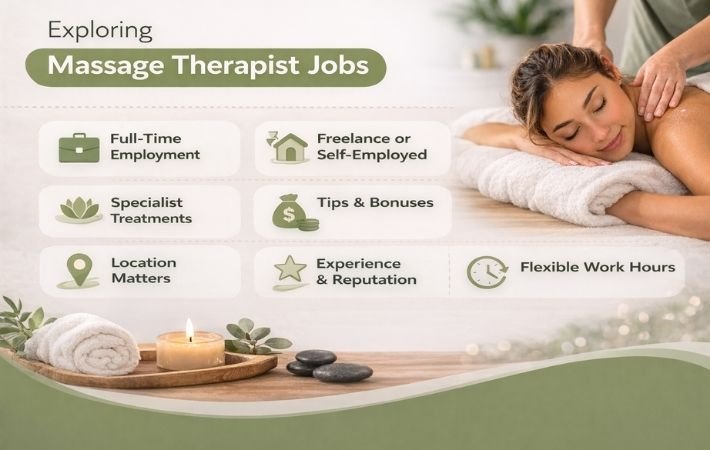
- Full-time employment: Therapists working in spas, gyms, or clinics usually earn a steady salary. Moreover, some employers offer benefits like holiday pay, pension or health insurance.
- Freelance or self-employed work: Freelancers can set their own rates, often charging £25–£60 per session. However, income can fluctuate depending on client numbers and reputation.
- Specialist treatments: Offering additional services such as sports massage, aromatherapy, deep tissue, or pregnancy massage can increase your earnings. In addition, these services attract clients willing to pay more.
- Tips and bonuses: Many clients tip regularly. As a result, tips can add extra income each week, especially for freelance therapists.
- Location matters: Therapists in big cities like London or Manchester often charge more due to higher demand, whereas in rural areas may pay less.
- Experience and reputation: Over time, as your skills improve and clients trust you, your income typically rises. Additionally, repeat clients and referrals boost earnings.
- Work hours flexibility: Part-time work is possible, but full-time therapists often make more money. Also, evening or weekend appointments may attract higher rates.
Tips to increase income:
- Get certified in advanced or niche massage techniques.
- Build an online presence to attract new clients. Then, share your services on social media to grow your reputation.
- Network with gyms, physiotherapists, or wellness centres for referrals.
- Offer package deals or memberships for regular clients. Finally, track your bookings to optimise your earnings.
By combining experience, special skills, and smart marketing, a massage therapist can steadily grow their earnings.
Which Locations Offer the Best Opportunities for Massage Therapists?
Where you work can change your career. It affects your clients, pay, and work-life balance.
- Big cities: Places like London, Manchester, and Birmingham have many clients. Also, they have lots of spas, gyms, and wellness centres. As a result, therapists can find steady work and earn more.
- Busy areas: Near shopping centres or gyms, you can get more clients. In addition, offices nearby may want workplace massages.
- Freelance work: You can work anywhere. However, it can take time to find clients. Meanwhile, you can set your own hours and charge more for special treatments.
- Small towns and villages: These areas are quieter, but clients are often loyal. Consequently, regular clients give steady income.
- Travel or mobile massage: Some therapists go to offices, gyms, events, or homes. Moreover, this can increase pay and reach more clients.
- Tourist spots: Places popular with visitors may have busy seasons. Therefore, summer can bring extra clients and tips.
- Lifestyle fit: Choose a place that suits your life and goals. Finally, working somewhere you like keeps you happy and motivated.
Tips to pick the best location:
- Check local demand for massage therapists.
- Compare the cost of living with potential earnings.
- Look for areas with many wellness businesses.
- Think about transport if you travel to clients.
- Choose a place that matches your work-life needs.
By picking the right location, you can earn more, get loyal clients, and enjoy your work.
What Factors Affect a Massage Therapist’s Career and Earnings?
Your success and income as a massage therapist depend on a few key things: A massage therapist’s pay and career growth depend on skills, location, work type, and specialisation. Beginners in the UK may earn £8–£12 per hour, while experienced or self-employed therapists can charge £30–£75+ per hour.
- Employment Type and Work Model
- Experience and Qualifications
- Location and Market Demand
- Specialisation and Niche
- Physical and Emotional Health
- Tools and Marketing
Next, we will discuss each of these factors in more detail so you can understand how to grow your career and earnings.
1. Employment Type and Work Model
- Self-Employed / Private Practice: You keep most of your earnings. However, you must manage rent, insurance, equipment, and marketing. In addition, building a client base takes time and effort.
- Employed (Spas/Clinics): Offers steady income, fixed hours, and benefits like paid holidays and sick leave. Meanwhile, hourly rates are lower than freelance work.
- Mobile Services: You visit clients at home, offices, or events. Also, clients pay more for convenience. But, you must consider travel costs and time.
- Commission / Hybrid Jobs: Some employers offer a base salary plus commission. As a result, you have security plus chances to earn extra through client bookings or tips.
2. Experience and Qualifications
- Skill Level: Advanced techniques such as deep tissue, sports massage, pregnancy massage, or myofascial release allow therapists to charge higher rates.
- Qualifications: Moving from Level 3 to Level 4/5 in the UK allows you to offer more treatments and specialise further. Therefore, you can attract higher-paying clients.
- Reputation: Reliable, friendly, and professional therapists get repeat clients. In addition, word-of-mouth referrals bring steady bookings.
3. Location and Market Demand
- City vs Town: Big cities like London, Manchester, and Birmingham pay more because of higher demand and living costs. Meanwhile, small towns may have fewer clients but more loyal repeat customers.
- Competition: Too many therapists in one area can make it harder to find clients. So, marketing, social media and online booking help you stand out.
- Target Clients: High-end gyms, spas, wellness centres, and corporate offices often pay higher rates. Also, clients in luxury areas may tip more.
4. Specialisation and Niche
- High-Demand Services: Sports massage, clinical massage (working with physiotherapists or chiropractors), prenatal massage, or post-injury rehabilitation often bring premium fees.
- Corporate Wellness: Providing office or event massage can offer steady, high-paying bookings. Additionally, businesses may book recurring appointments for their staff.
- Workshops & Classes: Some therapists teach massage techniques or run wellness workshops. As a result, they gain extra income and boost their reputation.
5. Physical and Emotional Health
- Physical Stamina: Massage work is physically demanding. Many therapists experience strain or fatigue. Careers usually last 5–7 years in high-intensity roles.
- Self-Care: Proper posture, ergonomics, and scheduling only 20–28 “hands-on” hours per week help avoid burnout. Moreover, balancing work and rest improves long-term career success.
- Mental Health: Enjoying your work, managing stress, and keeping client interactions positive are key to staying motivated.
6. Tools and Marketing
- Professional Tools: High-quality tables, oils and equipment improve service and client satisfaction. In addition, investing in tools can allow you to charge higher rates.
- Online Presence: Social media, a website, or a listing on booking platforms helps attract new clients. Also, reviews and photos build trust.
- Networking: Collaborating with gyms, spas, physiotherapists, or wellness centres can bring regular clients.
Earnings Summary (UK)
- Employed: £22,000–£40,000 per year.
- Self-Employed: £30,000–£45,000+ per year.
- Tips: 5–15% tips add extra take-home pay.
- Specialised Treatments: Premium sessions can reach £75+ per hour, depending on location and client type.
In short: Your income grows with experience, skills, location, and reputation. Also, staying healthy, using smart marketing, and focusing on special services help your career last longer and earn more.
How Can I Become a Massage Therapist With No Experience?
Are you curious about how Can I Become a massage therapist? Growing in massage therapy takes learning, planning, and dedication. Here are some ways to move forward:
- Specialised Courses and Training: Take extra courses like sports massage, pregnancy massage, deep tissue, or aromatherapy. Also, learning new techniques lets you charge higher rates. In addition, it helps attract more clients who want specialised treatments.
- Opening Your Own Practice: Running your own business gives freedom to set your hours and prices. However, it needs planning, investment in equipment, and marketing to get clients. Meanwhile, managing bookings, finances, and customer service can be challenging but rewarding.
- Joining Professional Networks and Associations: Becoming a member of massage organisations helps you meet other therapists and stay updated on trends. Furthermore, networking can lead to referrals and opportunities for workshops or collaborations.
Tip: Keep learning and building connections. As a result, your skills, income, and confidence will grow over time.
What Does a Day in the Life of a Massage Therapist Look Like?
Each day is different, which keeps the job exciting. Here’s a look at a typical routine:
- Morning: Prepare your room, check appointments, and set up oils or equipment. Then, greet your first clients with a smile and calm energy.
- Daytime: Give back-to-back massages, travel for mobile sessions or handle admin tasks like booking and payments. Meanwhile, take short breaks to rest your hands and stay fresh.
- Evening: Finish sessions, clean your workspace, and plan for the next day. Also, you may answer emails, post updates online or check client feedback.
Challenges: Massage work is physically demanding. Moreover, managing schedules and keeping clients happy can feel stressful.
Rewards: Helping clients relax, ease pain, or recover from injury is satisfying. Finally, building long-term relationships with repeat clients creates trust and joy in your work.
What Are the Top Massage Therapy Specialisations?
Specialising helps your career, makes work more fun, and increases earnings.
- Popular Specialisations: Sports massage, deep tissue, aromatherapy, prenatal massage, and clinical massage.
- Benefits of Specialising: You can charge higher rates, attract loyal clients and stand out from other therapists. Also, it keeps your work interesting and fulfilling.
- Impact on Earnings: Specialised therapists often earn more. For example, sports or deep tissue massage can bring £40–£75+ per session, depending on location and client type. In addition, offering multiple specialisations can create more booking options.
- Extra Opportunities: You can also teach workshops, run wellness classes, or provide corporate massage. As a result, you can earn extra income and grow your professional reputation.
Tip: Choose specialisations you enjoy. Therefore, loving your work makes it easier to grow, succeed, and stay motivated.
How Can You Take Care of Yourself as a Massage Therapist?
Being a massage therapist is rewarding, but it can be hard on your body and mind. Taking care of yourself keeps you healthy and happy. Don’t see too many clients in one day. Also, listen to your body and rest when you need it. Stretch before and after work. In addition, use good posture and adjust your table to protect your back, shoulders, and hands.
Mental health is very important. Take time for yourself outside work. Meanwhile, try relaxing activities like walking, reading, or meditating. Talk to friends or other therapists when you feel stressed. As a result, staying healthy helps you enjoy your work more. Clients also notice your energy and care.
What Common Mistakes Should You Avoid as a Massage Therapist?
Even new therapists make mistakes. Knowing what to avoid helps you grow and stay professional. One mistake is overbooking clients. Seeing too many in a day makes you tired. Also, tired hands give weaker massages and clients may be less happy.
Another mistake is ignoring self-care. Skipping breaks or stretches can cause burnout. Meanwhile, taking care of yourself keeps you strong and happy. A third mistake is skipping learning. Not improving skills makes it harder to get clients. In addition, learning new techniques helps you offer better services and earn more. Finally, avoiding these mistakes early helps your career grow and keeps your work enjoyable.
What Tools and Equipment Will You Use as a Massage Therapist?
Massage therapy needs the right tools to do a good job. Using proper equipment makes clients feel comfortable.
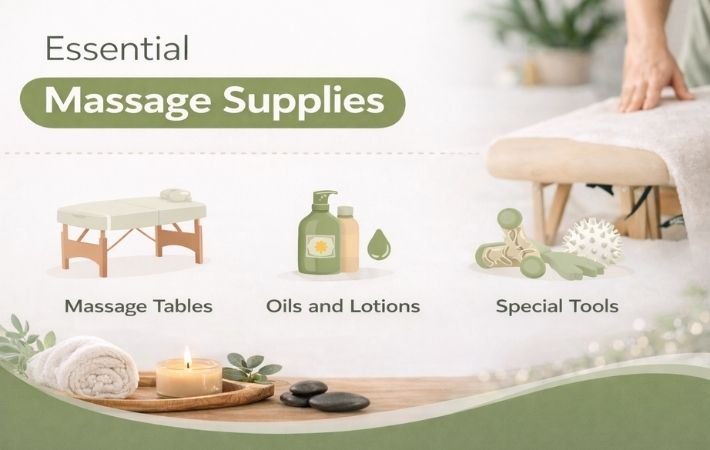
- Massage Tables: A strong, comfy table is your main tool. Also, adjustable tables help you work safely and protect your back.
- Oils and Lotions: These make your hands glide smoothly. In addition, scented oils like lavender or eucalyptus help clients relax.
- Special Tools: Some therapists use balls, hot stones, or cups. Meanwhile, these tools help reach muscles better and give different types of massage.
How to Keep Your Equipment Clean
- Wipe your table and tools after every client. Then, check if anything is broken or worn.
- Keep oils, lotions, and tools in a clean, dry place. Also, have extra supplies ready so you do not run out.
Safety and Hygiene Tips
- Wash your hands before and after each massage.
- Use clean towels or sheets for every client. Moreover, clean your tools and surfaces to stop germs.
- Listen to your client and make sure they are comfortable. Finally, use good posture to avoid hurting yourself.
Tip: Taking care of your tools and hygiene shows you are professional. As a result, clients feel safe, relaxed, and want to come back.
Final Thought
Becoming a massage therapist is a great job. Even without experience, you can start with the right training. Learn the massage skills and understand the body. Always take care of yourself so your hands and back stay healthy. Be kind and listen to your clients. Practice often and keep learning new techniques. Specialised skills can help you earn more. Build good relationships with clients and be professional. With time, your confidence and income will grow. Stay patient and keep trying. Step by step, you can turn your love for helping people into a successful and happy career.
Frequently Asked Questions (FAQs)
1. What qualifications do I need to be a massage therapist?
- You need a Level 3 Diploma in Massage or Sports Massage from a recognised provider. Joining professional bodies like FHT or CNHC helps credibility.
2. How to start a career as a massage therapist?
- Complete an accredited course, get insurance, gain practical experience, and consider joining a professional organisation. Then start working in a spa, clinic, or freelance.
3. How long does it take to become a massage therapist in the UK?
- It usually takes 6–12 months for a Level 3 Diploma. Fast-track courses can take 3–4 months, while full vocational training may take 12–18 months.
4. How much is a 1 hour massage in the UK?
- A standard 1-hour massage costs £25–£60, depending on location, type, and therapist experience.
5. How much do massage therapists get paid in the UK?
- Average pay is £20,000–£25,000 per year. Freelancers can earn £30–£45k+ depending on clients and specialisations.
6. Do massage therapists earn a lot?
- Experienced therapists or specialists can earn more, especially in big cities or with niche skills. Beginners usually earn less.
7. What is a red flag in massage?
- Red flags include pain, swelling, bruising, infections, or any condition where massage may cause harm. Always check client health first.
8. How to become a massage therapist with no experience?
- Start with a Level 3 Diploma, gain hands-on practice, consider apprenticeships, join professional bodies, and gradually build clients and confidence.
Massage Therapy Course
Course Description :
- Certificate: Yes(Free)
- Accreditation: CPD Accredited
- Access: Lifetime