No products in the cart.
Whistleblowing in care is an important way to keep health and social care services safe. It helps workers speak up when they see serious problems that could harm patients or vulnerable people. Nurses, carers, or agency staff may notice unsafe care, poor treatment, or risks that others may not see. So, what is whistleblowing in care means raising concerns in the right way when something is wrong at work.
Whistleblowing in care in the UK in 2026 is when a worker such as a nurse, carer or agency staff, reports serious wrongdoing, risks or safety hazards in a health or social care setting that are in the public interest. In 2026, whistleblowing laws will be stronger and give better protection for workers. They also include clear protection when reporting sexual harassment. Around 81% of these reports are made by people who are still working in their jobs, showing most concerns come from active staff in care settings.
What is Whistleblowing in Care in London?
Whistleblowing in care in London means speaking up when something is very wrong in a care setting. It happens when a worker sees unsafe care, poor treatment, abuse or danger to patients or vulnerable people. Then, they report it to the right people so action can be taken. Nurses, carers, and support staff often notice these problems first. So, they help protect people and improve care quality.
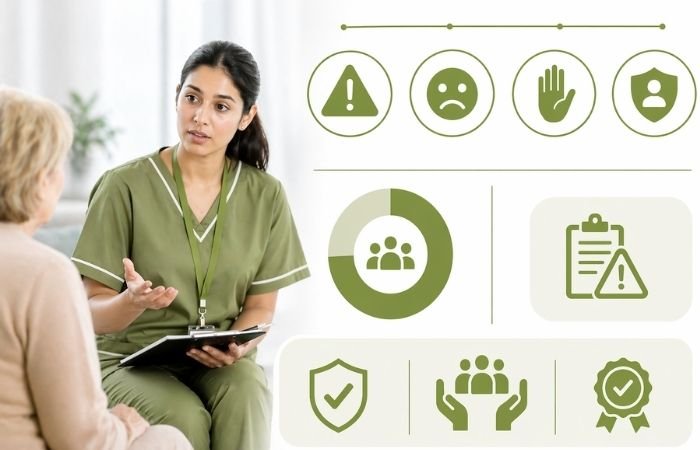
Recent surveys show that many whistleblowing reports come from staff who are still working in care jobs. This shows workers see problems while they are on duty. Also, most concerns are about safety, poor practice and risk of harm. Stronger protection rules now help workers feel more confident to speak up. As a result, care services become safer, more honest, and more reliable for everyone.
What Can Be Reported in Whistleblowing?
Poor care standards can be reported when patients do not get proper care or respect. This can mean long waiting times, no help when needed, or staff not paying attention. People may feel unsafe, ignored, or not cared for.
Abuse or neglect can also be reported. This includes hurting someone, shouting at them, or treating them badly. It also includes not giving basic care like food, water, medicine, washing help, or support when a person clearly needs it. This can harm health and dignity.
Unsafe working conditions are another problem. This can include broken equipment, dirty areas, not enough staff on duty or unsafe rooms. These issues can put both patients and workers at risk. Misuse of power or resources can also be reported. This happens when someone uses their job in the wrong way, ignores rules or wastes money, medicines, or supplies meant for patient care.
Who Can Be a Whistleblower in Care?
Care workers and nurses can act as whistleblowers. They work closely with patients every day, so they often notice unsafe care, mistakes, or poor treatment first.
Care workers and nurses:
Daily patient care gives them a clear view of risks, harm, or neglect. Support staff can also raise concerns. They help in many areas, like cleaning, records, or patient support, so they may see problems quickly.
Support staff:
Their role often helps them spot safety issues or poor working conditions early. Managers may also report concerns. They are responsible for teams and may notice bad practices or unsafe systems in the workplace.
Managers:
They can highlight issues in staff behaviour, policies, or safety rules. Volunteers and trainees can speak up as well. Even with less experience, they may still see serious problems that affect patients.
Volunteers or trainees:
Their fresh view can help spot risks others miss. Anyone in care can raise concerns when they see harm, danger or poor practice.
How Can You Report Whistleblowing Concerns?
Reporting to a manager or supervisor is often the first step. You can speak to someone you trust at work and explain what you have seen. This may feel scary, but it helps stop problems early and keeps patients safe.
Using safeguarding or HR channels is another safe option. These teams deal with serious concerns in care. They listen carefully, write down your concern, and take action to protect both patients and staff. Contacting external bodies can help if the issue is not solved inside the workplace. These outside organisations are independent, so they can check the problem fairly and make sure safety rules are followed.
Following workplace policies is also very important. Every care home, hospital, or service has clear steps for reporting concerns. These rules guide you on what to do, who to contact and how to stay protected. Speaking up can feel difficult, but it plays a big role in keeping care safe, honest, and better for everyone.
What Challenges Might Whistleblowers Face?
Whistleblowers in care can face some problems when they speak up.
Main challenges whistleblowers face:
- Fear of losing a job
- Worry about bad treatment after reporting
- No support from managers or co-workers
First, many people feel scared of losing their jobs. This fear can stop them from reporting serious issues. They may also worry about retaliation. This means others might treat them badly, ignore them, or make their work life hard after they speak up.
Another problem is that people may not get support from others. Managers or co-workers may not listen or believe them. This can make them feel alone and stressed. It can be very hard for them. Still, speaking up is important. It helps protect patients and keeps care safe for everyone.
What is the Difference Between Whistleblowing and Complaints?
Whistleblowing
Whistleblowing means speaking up about serious problems in care. These problems can put people in danger or break rules.
- Reports serious wrongdoing like abuse or neglect
- Focuses on safety risks for patients and staff
- Helps stop harm in care settings
- Can involve illegal or unsafe actions
First, it deals with issues that affect safety and protection. So, it is very important for keeping people safe.
Complaints
A complaint is about everyday problems or dissatisfaction in care. It is usually not about danger.
- Reports small issues like food, service or delays
- Focuses on personal experience or service quality
- Helps improve daily care services
- Does not usually involve serious risk
Next, complaints help improve how services feel for people in daily life. Whistleblowing is about safety and protecting people from harm. In contrast, complaints are about improving the general service. Finally, both are important, but whistleblowing deals with more serious concerns.
What Happens After a Whistleblowing Report?
When you make a report, the organisation must start an investigation right away. They will pick a fair person to lead the search for the truth. This person will talk to you to hear your story and look at records to see what happened. They might also talk to other staff members. After they finish, the organisation will take action to fix the problem. They might change the rules, give more training to staff, or even call the police if the situation is very bad. The main goal is to make sure the mistake never happens again.
Most importantly, the organisation must protect the people who live there. If your report shows that someone is in danger, managers must act fast to keep them safe. This might mean moving a resident to a new room or giving them a different care team. They have a duty to make sure everyone feels happy and secure. By acting quickly, the organisation shows that they care more about people than their own reputation. They must also check in on the residents to provide extra emotional support during the changes.
How Can Care Organisations Support Whistleblowing?
A good care home makes it easy for you to speak up. They start by giving every worker clear training. They show you exactly who to talk to and which forms to use. This makes the process feel less scary because you know exactly what to do. When everyone understands the rules, speaking up becomes a normal part of the job. It should feel like a way to help the team, not a way to get someone in trouble. Training helps everyone see that being honest is the best way to be professional.
Managers also need to create a kind and safe culture. When you bring them bad news, they should say “thank you” instead of getting angry. They must act as a shield to protect you from any mean comments or bullying from other workers. A supportive boss will keep your name private and check on your mental health to make sure you feel okay. They know that whistleblowers are heroes who help the organisation stay strong. When a workplace is open and honest, everyone feels safer, and the care for the residents gets much better.
Final Words
Whistleblowing in care helps protect patients and improves safety in health and social care settings. It encourages staff to speak up when they see abuse, neglect or unsafe practice. Although it can feel difficult, it plays a vital role in stopping harm and raising care standards. Good safeguarding systems and clear reporting rules help this process. They also keep workers safe and protect them from harm. When people report concerns, organisations can act quickly and make care safer for everyone. To learn more about protection in care, read our blog ‘What Are the Key Principles of Safeguarding in the UK?’ on Wise Campus. It explains safeguarding rules simply and helpfully for better understanding.
Frequently Asked Questions (FAQs)
1. What are the changes in whistleblowing in April 2026?
- In April 2026, whistleblowing rules in UK care settings will become stronger. Workers get more legal protection. Employers must respond faster to serious concerns. Staff are better protected from punishment or unfair treatment after reporting.
2. What is whistleblowing in care?
- Speaking up about serious problems in care is called whistleblowing. It includes abuse, unsafe care, or risks to patients and vulnerable people.
3. What are the 5 conditions of whistleblowing?
- The issue must be serious
- It must affect others’ safety or rights
- A worker must raise the concern
- It must be in the public interest
- It must relate to wrongdoing or harm
4. What are the three types of whistleblowing?
- Internal: report inside the organisation
- External: report to outside authorities
- Anonymous: report without sharing your name
5. What are the umbrella legislation changes in 2026?
- Stronger laws in 2026 improve worker safety. They give more protection from retaliation. They also support reporting of harassment and unsafe practices more clearly.
6. What are common whistleblowing laws?
- The main law is the Public Interest Disclosure Act 1998. It protects workers who report serious wrongdoing. Other workplace laws also support safety and fair treatment.
7. What is the CQC whistleblowing policy?
- CQC policy allows workers to report unsafe care. It protects whistleblowers and checks care services to improve safety and quality.
8. What is an example of a whistleblowing?
- A care worker reports patient neglect or unsafe medicine use. They may also report abuse or dangerous working conditions.