No products in the cart.
Plumbing is part of every home and building around us. It quietly supports daily life in many ways. It manages clean water supply, drainage and waste removal. Also, it includes installing pipes and fixing leaks. Plumbers make sure water flows safely and smoothly. This keeps homes clean, safe and comfortable. So, this is what does plumbing do for every home.
Plumbing supports everyday tasks like cooking, bathing and cleaning. It brings clean water into kitchens and bathrooms. It also removes dirty water through safe drainage systems. Without it, hygiene problems can grow quickly. Regular care keeps systems strong and reliable. Plumbers also fix urgent issues like burst pipes fast.
What Does Plumbing Do for Your Daily Life?
Plumbing works like a delivery service for fresh water. It brings clean water from local mains straight into your kitchen. At the same time, it removes dirty water from your sinks and toilets. That means your home stays dry and clean every day. Without these pipes, you would need to carry heavy buckets of water.
So instead, you simply turn a tap and get what you need. Also, the system helps heat your radiators during cold winters. During cold months, this keeps your rooms warm and comfortable. Every UK home depends on these smart pipe connections.
Why is a Good Water System Important?
Health is the most important reason for a high-quality system. Bacteria grow quickly in standing water or messy waste areas. However, a sealed pipe network keeps these germs away from you. Clean water allows you to cook safe meals for your family.
Additionally, it helps you maintain a tidy environment for children. In the UK, strict rules ensure that your water is safe. If a pipe breaks, your home could face serious damage. Consequently, keeping the system in good shape prevents very expensive repairs.
What Does Plumbing Do to Keep Us Healthy?
Proper waste removal is the main way it protects us. Modern toilets whisk away sewage to a treatment plant nearby. This prevents dangerous diseases from spreading through our local streets. Also, the system provides hot water for washing your hands. Hot water kills more germs than cold water does alone.
Furthermore, the pipes keep our drinking supply separate from waste. This separation is vital for staying healthy and feeling energetic. Cleanliness starts with the pipes hidden under your wooden floorboards.
What Metal is Used for Pipes in Plumbing in Houses?
Most older UK homes use copper for their main pipes. This orange metal is very strong and lasts a long time. It also kills many types of bacteria naturally on contact. However, many modern builders now choose to use plastic pipes. These plastic versions are often grey, white or even blue. They are easier to install because they can bend easily.
Additionally, plastic does not rust when it stays wet for years. Therefore, you might see a mix of materials in your home. Both copper and plastic keep your water flowing very smoothly. Knowing your pipe material helps when you need a repair.
|
Pipe Material |
Common Use |
Main Benefit |
|
Copper |
Main water lines |
Durable and antibacterial |
|
PEX (Plastic) |
Central heating |
Flexible and easy to fit |
|
PVC (Plastic) |
Waste and drainage |
Lightweight and cheap |
|
Lead |
Very old homes |
Needs replacement for safety |
How to Plumb in a Washing Machine Safely?
Connecting a new appliance might seem like a scary task. Firstly, you must find the cold water supply valve. This is usually a small blue lever under your sink. Next, screw the machine hose onto this threaded water valve. Ensure the rubber seal is sitting flat inside the connector.
After that, you must push the waste hose into the standpipe. This pipe is usually taller than the machine to prevent leaks. Moreover, check that the hose does not have any kinks. Tighten every connection by hand to avoid breaking the plastic threads. Finally, turn the water back on and check for drips.
How to Plumb a Washer for Beginners?
You do not need many tools to finish this job. Start by sliding the washer into its new permanent spot. Then, connect the silver intake hose to the cold tap. Ensure you do not cross the threads while turning it.
Also, hook the grey drainage pipe into the wall outlet. This outlet is often called a “standpipe” in the UK. Furthermore, make sure the machine is level on the flat floor. Use a spirit level to check the top of the machine. If it wobbles, it might cause a leak during use. Therefore, adjust the feet until the machine stays perfectly still.
How do I Plumb in a Dishwasher Correctly?
Most dishwashers need a cold water feed and a drain. Look for a spare nozzle on the trap under the sink. This nozzle is often called a “spigot” by local plumbers. Firstly, cut the end of the spigot to open it. Then, slide the dishwasher drain hose over this plastic opening. Use a metal jubilee clip to hold the hose tight.
Consequently, dirty water will flow into the sink drain correctly. Connect the water supply hose to the blue-capped laundry valve. Check every joint for small leaks after the first wash.
How to Plumb a Washing Machine Today?
Washing machine plumbing is simple when you follow a clear order at home. You connect the water supply, drainage pipe and power in a safe way.
- Start by placing the washing machine near the water inlet and drainage point.
- Attach the inlet hose tightly to the cold water tap connection carefully and check the fit.
- Fix the drain hose into the waste pipe without bending or blocking water flow.
- Connect the power plug safely and keep the socket dry before turning on the machine.
How to Remove Push Fit Plumbing Fittings Easily?
Push-fit connectors are common in modern UK plastic pipe systems. They grip the pipe using small metal teeth inside the ring. To remove one, you first turn off the water. Then, find the small collar at the end of the fitting. Push this collar towards the body of the plastic connector. This action releases the internal teeth from the pipe surface.
While holding the collar, pull the pipe out firmly. Sometimes, a special plastic tool makes this job much easier. Therefore, keep a set of release clips in your toolbox. This allows you to change your pipes without using heat.
How to Plumb a Tub in a Bathroom?
Installing a bathtub requires careful planning and a level floor. Firstly, position the tub and mark the waste pipe hole. You must ensure the drain has a slight downward slope. This allows gravity to pull the water away from the tub. Next, connect the “p-trap” to the bottom of the bath. This trap holds a little water to block bad smells.
Furthermore, attach the hot and cold taps to the tub. Use flexible tap connectors to make the pipework much easier. Seal the edges with silicone to keep the water inside. Proper sealing prevents rot in your wooden bathroom floor joists.
How to Plumb a Shower Tray Properly?
A shower tray must sit on a very solid base. If it moves, the seal will break and leak water. Firstly, build a wooden frame or use the provided legs. Connect the waste trap to the drainage pipe underneath it. Check that the tray is perfectly level in every direction.
Consequently, the water will flow toward the drain, not the floor. Set a thick bead of glue around the tray edges. Moreover, wait for the glue to dry before testing the water. A sturdy tray ensures your bathroom stays dry for years.
How to Plumb a Shower for Your Family?
Showers can be electric or fed by your boiler system. An electric shower only needs a cold water supply pipe. However, it also requires a dedicated thick cable for electricity. Mixer showers take water from both the hot and cold pipes. You must install a thermostatic valve to prevent sudden temperature jumps.
This keeps your children safe from getting burnt by hot water. Use copper pipes for the final connection to the showerhead. Furthermore, ensure the wall fixings are tight and completely waterproof.
How to Install a Sink Plumbing Kit?
Most sinks come with a kit containing all the pipes. Start by fitting the metal waste strainer into the hole. Then, attach the plastic trap underneath the sink bowl itself. Connect the horizontal pipe to the wall’s main waste outlet. Tighten the plastic nuts by hand until they feel firm. Do not use heavy tools, as plastic nuts can crack.
Also, connect the hot and cold taps using flexible hoses. Make sure the rubber washers sit properly to stop any leaks. Next, fill the sink with water and let it drain away. Watch all the joints closely while water flows. If you see any leaks, fix them right away.
How Much Does Plumbing Make a Year?
Plumbers earn depends on experience, location and job type. In the beginning, earnings stay lower. Pay increases step by step. Also, working extra hours boosts total income. Many plumbers build strong careers over time. So, experience plays a big role in yearly earnings.
- Entry-level plumbers: Earn around £20,000 to £30,000 per year.
- Skilled plumbers: Get paid around £30,000 to £45,000 per year.
- Experienced plumbers: Make around £45,000 to £60,000 per year.
- Self-employed plumbers: Can earn £60,000 or more per year.
- Emergency call-out work: Often brings extra income.
If you want to learn more, read the full guide on How Much Does Plumbing Make in the UK?
How Much Does Plumbing Make as a Career?
The financial rewards grow as you learn more specialist skills. For example, gas-safe engineers earn more than basic water plumbers. These professionals fix boilers and central heating systems in homes.
Moreover, you can choose to work for a big company. Other people prefer the freedom of running their own small business. Therefore, your income depends on how many hours you work. The job provides a stable life for you and your family.
In the UK, people always need someone to fix their pipes. This means you will never run out of work opportunities. It is a career that offers both safety and growth.
How to Plumb Washing Machine Units Fast?
Start by placing the washing machine near a water supply and drain. Make sure the floor stays level and strong. Next, connect the cold water hose to the inlet valve. Tighten it gently so no water leaks out. Then attach the drain hose to the waste pipe. Keep it firm but not too tight.
After that, plug the machine into a safe power socket. Check all connections before you turn on the water. Run a short test cycle to see if everything works well. If you spot any leaks, stop and fix them right away. This keeps your machine safe and ready to use.
Who Should You Call for Big Pipe Leaks?
Sometimes, a DIY fix is not enough for a big problem. If a pipe bursts, you must find a qualified plumber. Look for someone registered with the “Chartered Institute of Plumbing”.
Also, check if they have good reviews from local neighbours. A professional has the right tools for very difficult repairs. Moreover, they carry insurance to protect your home from accidental damage.
List of Common Plumbing Tools
- Adjustable Wrench: Used for tightening metal nuts on taps.
- Plunger: Great for clearing blocks in toilets or sinks.
- Pipe Cutter: Helps you make clean cuts in copper tubes.
- PTFE Tape: Wraps around threads to prevent small water leaks.
- Spirit Level: Ensures your trays and machines stay perfectly flat.
- Bucket: Useful for catching water during any repair work.
Final thoughts
So, what does plumbing do? It brings clean water to your home and removes waste safely. At the same time, it supports heating and hygiene every day. In short, plumbing keeps your home safe, clean and comfortable.
Want to learn what does plumbing do in real homes? Join our Professional Online Plumbing Course.
FAQs
1. What is the purpose of a plumber?
- A plumber installs and repairs water pipes so homes get clean water and safe drainage every day.
2. What is the purpose of plumbing?
- Plumbing brings clean water into buildings and removes waste water to keep homes safe and healthy.
3. How much would a plumber charge for 3 hours?
- A plumber in the UK usually charges around £120 to £250 for 3 hours of work.
4. Is plumbing a well-paying job?
- Yes, plumbing pays well in the UK, especially with experience and extra skills.
5. Do you need GCSE to be a plumber?
- Yes, most apprenticeships ask for basic GCSEs in English and Maths.
6. What jobs pay 70k a year in the UK?
- Jobs like senior engineers, pilots, IT managers and experienced electricians can earn around £70,000 a year in the UK.
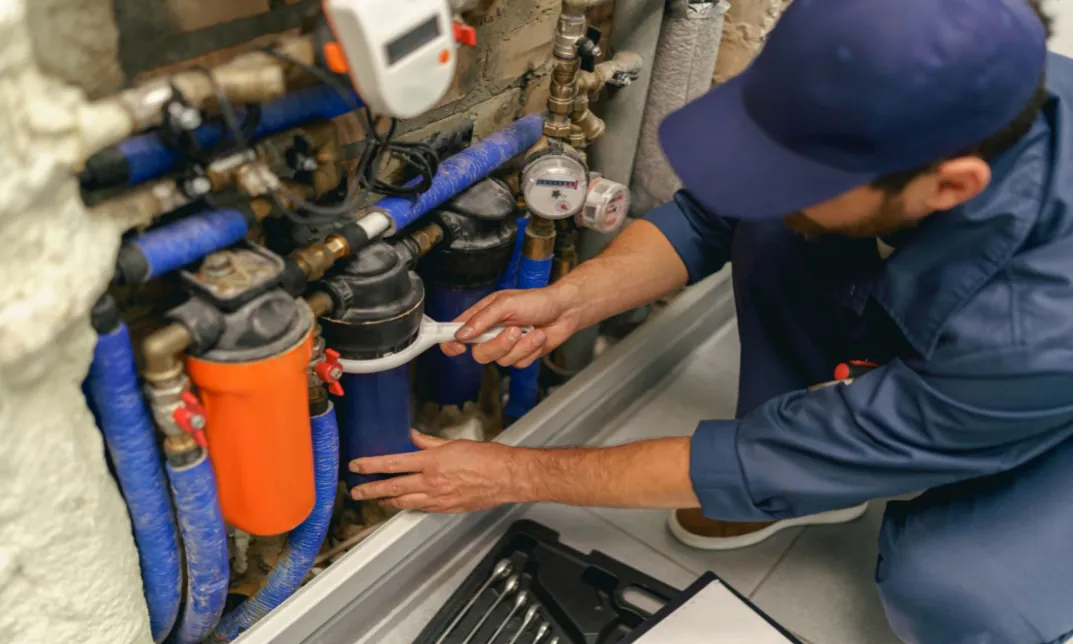
Professional Online Plumbing Course
Course Description :
- Certificate: Yes(Free)
- Accreditation: CPD Accredited
- Access: Lifetime