No products in the cart.
Plumbing a shower means connecting water pipes to a shower system. It ensures hot and cold water flows correctly. It also controls pressure and safety. Proper plumbing prevents leaks and damage. A well-plumbed shower gives smooth water flow and daily comfort. It needs a correct pipe setup and fittings. Now, how to plumb a shower is a simple step-by-step process.
Firstly, you need to prepare the pipes. Then you connect the hot and cold lines. After that, you check for leaks. Also, test the water pressure. Careful work gives a safe and strong shower system for daily use. This keeps the water flow steady and reliable.
Now, let’s take a dive and explore each step in detail.
How to Plumb a Shower Safely?
Plumbing a shower safely starts with good planning. First, turn off the main water supply. Then check the pipe layout before you start. Next, choose the right pipes for hot and cold water. After that, connect the pipes tightly so water does not leak. Also, use strong fittings for safety.
Following that, test the water pressure before you seal everything. Make sure all joints stay tight and dry. After that, turn on the water tap and inspect where the leakage is. If you see a problem, fix it right away. Finally, check everything again to ensure your shower works safely and smoothly.
Why Do You Need the Right Tools?
You need the right tools because they make the job safe and easy. First, proper tools help you avoid leaks and mistakes. For example, a good pipe cutter gives clean cuts. The right wrench helps you tighten fittings without damage. Also, quality tools save your time and effort at work.
Moreover, using the wrong tools can cause accidents or broken pipes. So, always choose tools made for plumbing work. In addition, good tools give better control and accuracy. When you use the right tools, your shower installation becomes smoother, safer and more professional.
What Materials Should You Buy to Plumb a Shower?
Before you start plumbing a shower, you need to collect the right materials. This step is very important because good tools make the job smooth and safe. So, always prepare everything first before you touch the pipes.
- Pipes for hot and cold water lines for a steady water flow.
- Strong fittings and connectors to lock pipes together tightly.
- PTFE tape to seal joints and stop any water drips.
- Shower valve or mixer unit to control heat and pressure.
- Adjustable wrench to tighten parts during installation.
- Waterproof sealant to protect joints from future leaks.
How to Plumb a Shower Step by Step?
To start, decide where the shower unit should go exactly. Use your lead pencil to mark the pipe locations clearly. Ensure the hot water pipe stays on the left side. This is the standard rule for all UK plumbing jobs.
Then, drill the holes for your new water pipes carefully. Be very careful not to hit any hidden electric wires. Use a cheap wire finder tool if you feel unsure. After that, run the pipes from the main water source. Use the plastic clips to keep the pipes very steady.
Consequently, the pipes will not rattle when you use them. Also, make sure the pipes are clean and very shiny. Dirty pipes often lead to leaks in your bathroom later.
How Do You Connect the Water Pipes Correctly?
You must join the pipes to the shower mixer. Slide the nut and the brass ring onto the pipe. Then push the pipe into the metal shower valve firmly. Tighten the nut slowly with your large adjustable wrench. But do not use too much physical force right now.
Excessive pressure can damage the soft rubber seals inside easily. Use the white PTFE tape on the screw threads today. This tape fills any tiny gaps in the metal parts. Afterwards, the joint will be completely water-tight for a long time.
Why Should You Keep Your Plumbing Tools?
Keeping your plumbing tools in good condition saves time and money. Clean tools work better and last longer. So, you do not need to buy new ones often. After each job, wipe your tools and store them in a dry place. This stops rust and damage.
Also, well-kept tools make your work easier and safer. You can finish jobs faster without stress. If tools stay organised, you find them quickly when you need them. In simple words, if you maintain the right tools, your work will be smoother. So, always clean, check and store your plumbing tools after every use.
How Can You Avoid Common Plumbing Mistakes?
To avoid common plumbing mistakes, you need to stay careful and work step by step. Most problems happen when people rush or skip basic checks. So, take your time and follow simple rules.
- Always plan your pipe layout before you start working.
- Turn off the main water supply before touching any pipe.
- Use the correct pipe size and good-quality fittings.
- Tighten joints properly, but do not over-tighten them
- Test for leaks before closing or sealing anything.
- Work slowly and double-check each step for safety.
How Do You Check for Leaks Today?
Testing your work is the final major step for you. Turn the main water valve on very slowly now. Listen for the sound of flowing water very carefully. Go back to the bathroom and look at everything closely. Check every single joint for any tiny water drops today. Use a dry tissue to wipe the pipes gently. If the tissue stays dry, you have succeeded already!
However, if it gets wet, tighten the nut a bit. Sometimes a quarter turn is all you need right now. At the end, turn on the shower to test the pressure. Specifically, watch the water flow out of the shower head.
What Should You Do If Things Go Wrong?
When things go wrong, stay calm first. Do not run or panic. First, turn off the main water supply to stop more damage. Then check where the problem starts. Look for leaks, loose joints or broken parts.
Next, fix small issues if you can safely handle them. If the issue looks big, call a professional plumber right away. Also, clean if any water appears. Finally, learn from the mistake so it does not happen again. Careful action always helps you control the situation better and avoid bigger trouble later.
Where Can You Find More Plumbing Help?
You might want to learn even more about home repairs. Many local colleges in the UK offer short plumbing courses. Also, you can find helpful videos on the internet daily. Visit your local library for books about basic home maintenance. These books have many pictures to help you learn fast.
Additionally, talk to the staff at the hardware store. They usually know a lot about pipes and water systems. Asking questions is the fastest way to become an expert.
How Do You Clean Your New Shower?
Keeping your new shower clean helps the pipes last longer. Use a soft cloth to wipe the chrome parts. Avoid using very harsh chemicals on the metal valves today. These chemicals can damage the shiny finish over many months.
Instead, use a simple mix of vinegar and warm water. This natural cleaner removes hard water spots very easily for you. Also, clean the shower head to keep water flowing.
Is Plumbing a Good Career Path?
Plumbing is a strong career path and shower plumbing is a good part of it. People always need clean water and working bathrooms. So, skilled plumbers stay in demand all the time. This job also gives a steady income and growth.
When you learn how to plumb a shower, you build useful skills step by step. You learn how water systems work, how to fix leaks and how to install safe fittings. These skills help you get more jobs in homes and buildings.
Also, plumbing work is practical and hands-on. You solve real problems every day. So, if you enjoy working with tools and helping people, this career fits well.
Final Thoughts
So, when you learn how to plumb a shower, you build real confidence in plumbing work. You can start plumbing as a career with simple planning and the right tools. Careful pipe connection and leak checking make everything safe. This way, you get a strong and long-lasting shower system at home.
Want to learn plumbing from the basics to the advanced level? Join our Professional Online Plumbing Course.
Frequently Asked Questions (FAQs)
1. Can I plumb a shower myself?
- If you know basic plumbing, then you can plumb a shower yourself.
2. What do I need to plumb a shower?
- You need pipes, fittings, a wrench, seal tape and a proper shower unit.
3. What is the 4 minute shower rule?
- It means you should keep your shower under four minutes to save water and energy.
4. How is a shower plumbed in?
- A shower connects to hot and cold water pipes and then links to the shower unit.
5. How much will a plumber charge to install a shower?
- A plumber may charge around £150 to £400, depending on the job and location.
6. What is the 135 rule in plumbing?
- It means planning pipe angles at 45 and 90 degrees for smooth water flow and fewer bends.
7. What are the most common plumbing mistakes to avoid?
- Common mistakes include loose joints, wrong pipe size and skipping leak tests.
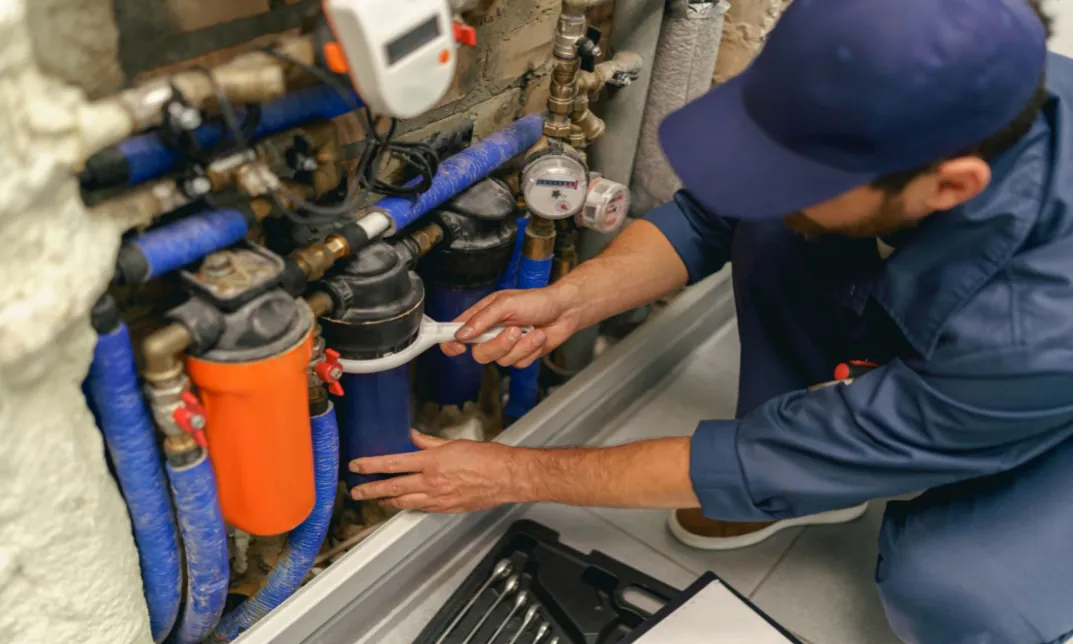
Professional Online Plumbing Course
Course Description :
- Certificate: Yes(Free)
- Accreditation: CPD Accredited
- Access: Lifetime