No products in the cart.

Helping others can make a big difference in someone’s life. If you are wondering what is voluntary care, it simply means unpaid help given by people, community groups and charities to those who need health or social care. Volunteers give their time and support without getting paid. Voluntary care includes community support, child arrangements, charity services and help for vulnerable people. It works alongside health and social care services to give people the support they need.
In this guide, you will learn what voluntary care is, how it works, who provides it and why it is important for people and local communities.
What is Voluntary Care?
- Voluntary care means giving free help to people who need support.
- Volunteers give their time and skills without getting paid.
- They help others because they want to make a difference.
- Charities and community groups often provide voluntary care.
- It can help older people, children, disabled people and families.
- Volunteers may help with shopping, visits, daily tasks or emotional support.
- Their support helps people feel safe, cared for and less lonely.
- People volunteer because they want to help others or learn new skills.
- Volunteering can also help people gain experience and meet new friends.
- A good volunteer should be kind, patient and respectful.
- They should listen to people and keep their information private.
- Simply put, voluntary care is helping others without asking for money.
Who Can Receive Voluntary Care?
Voluntary care supports people who need extra help in their lives. It can help children, young people and adults feel safe, valued and connected.
Children and young people may receive voluntary care through Section 20 care arrangements. Parents can ask the local authority to provide support if they feel their child needs extra care. Young people aged 16 or 17 may also choose voluntary care if they understand the decision.
Children who are lost, abandoned or do not have a safe adult to care for them can receive support while the local authority plans their future care.
Adults can also receive voluntary care when they need help with daily tasks, health or wellbeing. Volunteers, charities and community groups may offer visits, friendship, practical help and emotional support. Overall, voluntary care helps people feel less lonely and reminds them that they have support when they need it.
How Can You Become a Voluntary Carer?
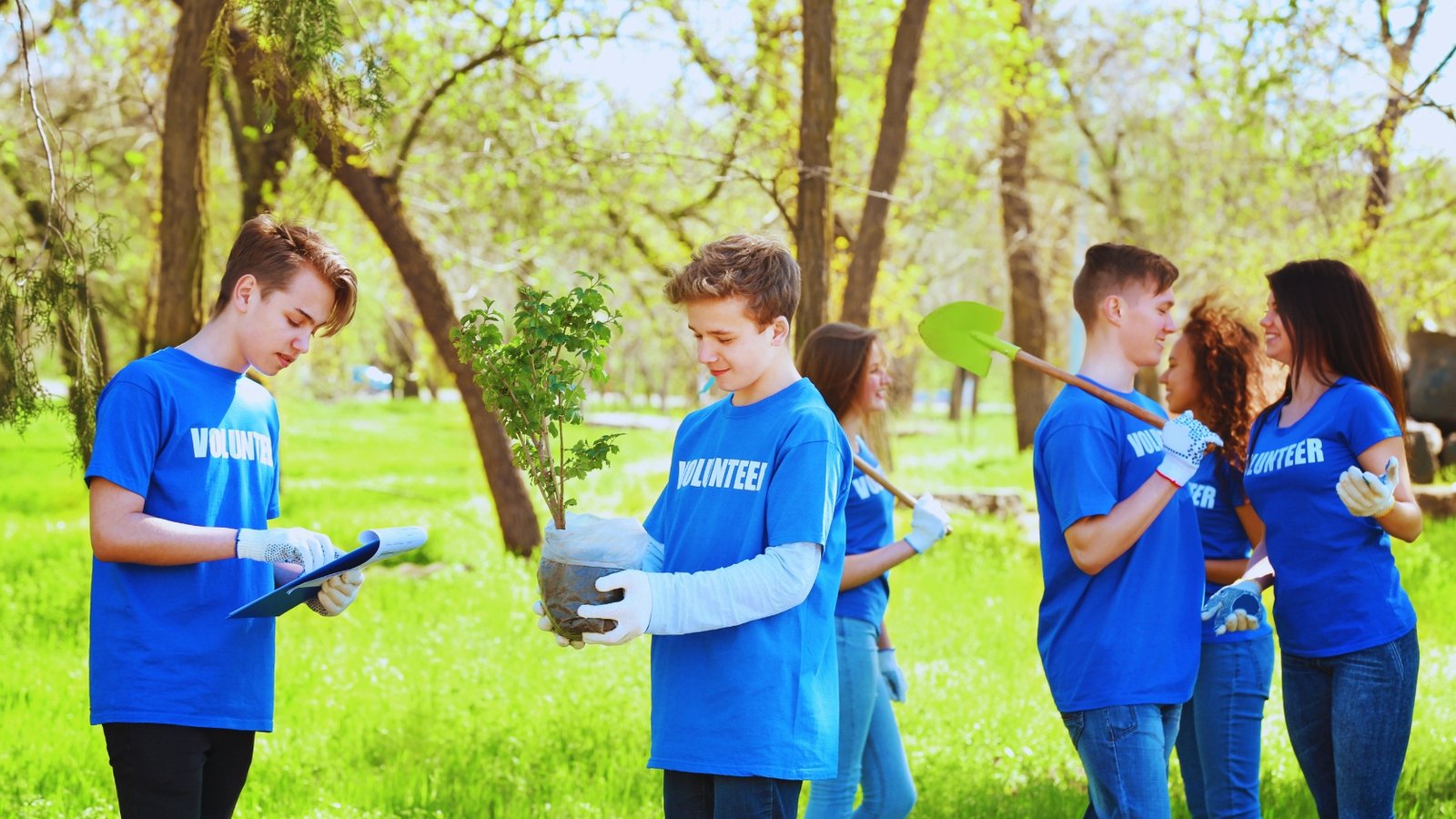
Becoming a voluntary carer is easy if you want to help people. You can start volunteering by following some simple steps.
Step 1: Find a suitable organisation
First, find a charity, community group or organisation that offers voluntary care work. Choose a role you like and can manage with your daily routine.
Step 2: Complete an application
Next, fill in an application form. The organisation will use this to learn about you, your skills and why you want to volunteer.
Step 3: Attend an interview
Some organisations ask you to attend a short interview. They may ask about your experience and why you want to help others.
Step 4: Complete background checks
Some roles need a background check, especially if you work with children or vulnerable adults. This helps keep everyone safe.
Step 5: Take part in training
Before you start, you may need some basic training. It helps you understand your role and learn how to support people safely.
Step 6: Start volunteering
After completing these steps, you can begin volunteering. Your time and kindness can help improve someone’s life and make a real difference.
Who Can Become a Voluntary Carer?
Almost anyone who wants to help others can become a voluntary carer. You do not always need special qualifications or previous experience. The most important things are having a kind heart, patience and a wish to support people.
A good voluntary carer should be caring, respectful and understanding. They should listen to others and make people feel comfortable. Good communication skills help them understand what support someone needs. Being reliable is also important because people trust volunteers to help them.
The age needed to become a voluntary carer depends on the organisation. Some groups allow younger people to volunteer with extra support, while others may only accept adults. Anyone who follows the organisation’s rules and wants to help can apply.
Some voluntary care jobs need a background check, especially when helping children or vulnerable adults. Many organisations also provide basic training to help volunteers learn about safety, communication and how to give the right support.
What Does a Voluntary Carer Do?
A voluntary carer helps people who need extra support in their everyday lives. They give their time and care without getting paid. Their help can make people feel happier, safer and less alone.
- Spend time with people: Voluntary carers talk with people, listen to them and keep them company. This can help people feel less lonely.
- Help with shopping and small tasks: They may help with buying food, collecting items or doing simple jobs that make daily life easier.
- Give emotional support: They listen to people, offer kind words and provide comfort when someone feels upset or worried.
- Help with social activities: They support people in joining clubs, events or community activities. This helps people make friends and enjoy their time.
- Help with transport: Some carers help people travel to appointments, shops or other important places.
- Support family carers: They give family members a break by helping care for their loved ones for a short time.
- Guide people to local services: They help people find charities, support groups or other services that can provide extra help.
What are the Best Practices for Safe and Effective Voluntary Care?
Voluntary carers help people by giving their time, care and support. To provide safe and good care, they should follow some simple steps. These steps help people feel safe and respected.
Carers should keep personal information private. They should not share someone’s details without permission. This helps build trust between the carer and the person they support.
They should also follow safeguarding rules. These rules help protect children and vulnerable adults from harm. If a carer notices a problem, they should tell the right person. Voluntary carers should know their role and limits. They should only do tasks they are trained to do. If they are unsure, they should ask for help.
If they see signs of abuse, neglect or danger, they should report it quickly. This can help keep people safe. Finally, carers should continue learning and attend training. This helps them gain new skills and provide better support.
What Can Voluntary Carers Not Do?
Voluntary carers help people by giving support, friendship and help with everyday tasks. They play an important role in the community. However, there are some things they cannot do because these jobs need special training or permission.
Voluntary carers cannot give medical treatment. They cannot check illnesses, give medical advice or treat health problems. If someone feels unwell, they should help them contact a doctor or healthcare worker.
They cannot give medicines unless they have the right training and approval. They should always follow the rules of their organisation to keep people safe. Voluntary carers cannot do nursing jobs, such as wound care or other medical tasks. These jobs must be done by trained nurses or healthcare staff.
They also cannot make decisions about someone’s money, property or legal matters. These choices belong to the person or someone who has legal authority. Knowing these limits helps voluntary carers give safe, respectful and helpful support while protecting the people they care for.
What Challenges Do Voluntary Carers Face?
Voluntary care can be a happy and rewarding experience. Carers enjoy helping people and making a difference. However, they may also face some challenges while supporting others.
One common challenge is emotional stress. Voluntary carers often help people who are going through difficult times. Listening to their problems can sometimes feel upsetting. Talking to friends, family or their support team can help carers feel better.
Another challenge is finding time. Many volunteers balance their caring work with their job, family and personal life. Good planning can help them manage their time and avoid feeling tired. Voluntary carers also need to know their limits. They should only do tasks they feel comfortable with. This helps keep both the carer and the person they support safe.
Some organisations may also have fewer volunteers, money or resources. This can make their work harder. Even with these challenges, voluntary carers continue to give valuable help and support to others.
Final Thoughts
A little care and kindness can mean a lot to someone. Understanding what is voluntary care helps us know how volunteers, charities and community groups support people who need extra help.
Voluntary carers give their time to help others. They provide friendship, daily support and emotional care. Also, they work with health and social care services to make life easier for people. They do not replace trained workers, but their help can bring comfort and reduce loneliness.
Moreover, voluntary care helps people feel safe, valued and connected. With kindness, respect and simple training, volunteers can support those in need. Finally, even small acts of help can create a positive change in someone’s life.
Frequently Asked Questions (FAQs)
What are examples of voluntary care services?
- Examples include visiting older people, helping with shopping, giving emotional support, helping at food banks and supporting local community groups.
What do voluntary services do?
- Voluntary services help people and communities by giving free support, care, advice and practical help.
Is voluntary care free?
- Yes, voluntary care is usually free. Volunteers give their time and help without asking for money.
How many hours can you volunteer on carers allowance?
- There is no fixed limit on volunteering hours while getting Carer’s Allowance. However, volunteering should not stop you from doing your caring duties.
What does voluntary care do?
- Voluntary care helps people with daily tasks, reduces loneliness, supports emotional wellbeing and connects people with their community.
What are the 5 types of volunteering?
- The five main types are helping the environment, helping people in the community, supporting health, helping with learning and working for charities.
What is voluntary care NHS?
- NHS voluntary care means unpaid help from volunteers who support patients and communities through NHS programmes and services.