No products in the cart.
There are several routes to become a plumber in the UK. You can choose college training, an apprenticeship or a private plumbing course. Each route offers a different way to start your plumbing career. If you ask how do I become a plumber UK, your best route depends on your goals. You need proper training to build your plumbing skills.
Most beginners complete a vocational course or apprenticeship. These routes can help you gain recognised qualifications, such as Level 2 or Level 3 plumbing diplomas. Plumbers work in homes, businesses and construction projects across the UK. You can learn to install pipes, fix leaks and maintain water systems. After gaining experience, you can work for a company or become self-employed.
What Does a Plumber Do in the UK?
Plumbers keep water, heating and drainage systems working safely. They work in homes, businesses and construction sites. Their jobs can change depending on their skills and specialism. Common plumber duties include:
- Install and repair water, heating and drainage systems.
- Cut, bend and join pipes for different plumbing jobs.
- Fit radiators and hot and cold water systems.
- Fix leaks, blocked drains and other plumbing faults.
- Handle emergency call-outs for urgent plumbing problems.
- Work in domestic, commercial or renewable plumbing roles.
What are the Main Routes Into Plumbing?
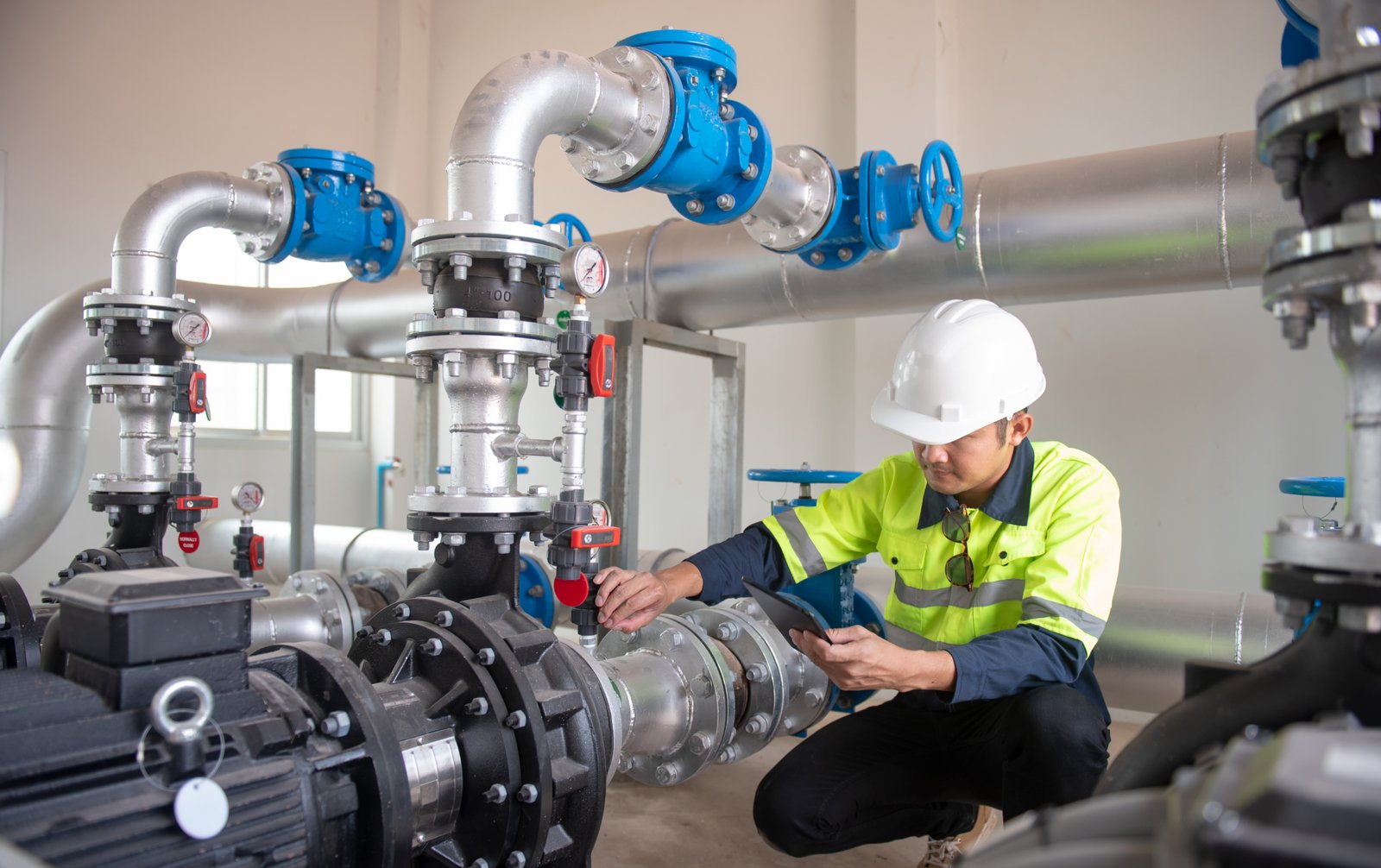
There are several routes to start a plumbing career in the UK. A college course suits school leavers and adults who like classroom learning. An apprenticeship lets you earn money while you learn. Working as a plumber’s mate helps you gain real work experience.
Private plumbing courses can help career changers learn basic skills quickly. You can also apply for jobs if you have building or engineering experience. Each route works well for different people. So, choose a route that suits your skills, experience and career goals.
Which Plumbing Qualifications Do You Need?
The right plumber qualifications UK depend on the work you want. A Level 2 plumbing qualification gives beginners a good start. Plumbing diplomas teach basic knowledge and practical skills. A plumbing NVQ shows that you can do plumbing work on site.
You can choose a Level 3 plumbing qualification for more advanced training. The Level 3 route includes a Plumbing and Domestic Heating Diploma. School leavers can also take a T Level course. College courses focus on learning, while NVQs focus on real work. Recognised qualifications can also help you find more plumbing jobs.
Is a Plumbing Apprenticeship a Good Route?
A plumber apprenticeship UK route lets you earn while you learn. You work with skilled plumbers and learn useful skills. You also spend time at college or a training centre. The Level 3 Plumbing and Domestic Heating Technician apprenticeship takes around 48 months. It also includes a 6-month assessment period at the end.
You can choose different options during the apprenticeship. These include gas heating, heat pumps, solar systems and commercial plumbing. Each job can have different hours and training times. From April, the apprentice minimum wage is £8 per hour. However, some employers offer higher pay.
What Skills Do You Need to Become a Plumber?
Plumbers need practical skills to do their daily work well. They also need good people skills when working with customers. Good planning helps them finish jobs safely and on time. These plumber skills can improve with training and work experience.
- Hand skills: Use tools and handle pipes with care.
- Maths: Measure pipes and check sizes correctly.
- Problem-solving: Find and fix leaks and other faults.
- Communication: Speak clearly with customers and other workers.
- Teamwork: Work well with others on bigger jobs.
- Attention to detail: Check work carefully and follow safety rules.
How Do I Become a Plumber UK Without an Apprenticeship?
You can train to become a plumber without doing an apprenticeship in the UK. College courses offer classroom and practical training. Private courses can provide faster training for career changers. Some fast-track plumbing courses take around 6 weeks.
You can also work as a plumber’s mate and learn on the job. After gaining experience, you can work towards a Plumbing NVQ. Choose a recognised course that employers trust. Remember, a short course gives you basic skills, but real work experience remains important.
How Long Does It Take to Become a Plumber?
The time needed depends on the training route you choose. A fast-track plumbing course can take as little as 6 weeks. College courses can take longer, depending on the course. A plumbing apprenticeship usually takes around 48 months, with a 6-month assessment period.
An NVQ can take different amounts of time because you need work experience. Gas training takes extra time if you want to work with gas. Renewable training also takes extra time for heat pumps and solar systems. So, basic plumbing training can take weeks. However, becoming fully trained takes much longer.
Do You Need a CSCS Card for Plumbing Work?
A CSCS card plumber may need a card when working on construction sites. The card shows that a worker has the right skills and training. Many sites check cards before allowing workers to start work. A Level 2 Plumbing NVQ can help you follow the JIB Plumbing CSCS route.
However, domestic plumbers working in homes may not need a CSCS card. Construction site plumbers often face different site rules and checks. Therefore, always check the card requirements for your specific site. A plumber’s CSCS card can also help show your training level. This makes it easier for site managers to check your skills.
Do Plumbers Need Gas Safe Registration?
Plumbers do not need gas training for normal plumbing work. However, gas work needs extra training and skills. Gas Safe registration applies to plumbers who carry out gas work. Some plumbing apprenticeships also include a domestic gas option.
- General plumbing: Normal plumbing work does not need gas training.
- Gas work: Extra training helps you work safely with gas.
- Gas Safe: Relevant gas work requires the correct registration.
- CCN1: This forms part of the domestic gas training route.
- CENWAT: This covers domestic gas water heating work.
- Gas qualifications: Check the rules before starting any gas work.
How Much Does a Plumber Earn in the UK?
A plumber salary UK can change based on skills and experience. New plumbers can earn around £24,000 a year. Experienced plumbers can earn around £46,000. Average earnings can sit near £33,285 a year. Self-employed plumbers can charge up to £350 per day in some cases.
However, this is not a fixed income for every plumber. Pay can change with location, qualifications and specialism. Domestic and commercial work can also affect earnings. Apprentices usually earn less while learning. Qualified plumbers can earn more as they gain experience.
Where Can a Plumbing Career Take You?
A plumbing career offers many choices as your skills grow. You can work as a domestic plumber or commercial plumber. With more training, you can move into gas, heat pumps or solar heating. You can also work in ventilation, air conditioning or oil heating.
Some plumbers move into building services engineering or become master plumbers. Others become self-employed or start their own business. Experienced plumbers can also teach new workers. Career progression can lead to project management, design or planning roles.
Is Plumbing a Good Career in the UK?
A plumbing career can suit people who enjoy practical work. You use your hands and solve different problems daily. The job can involve working both indoors and outdoors. The job can involve working both indoors and outdoors. Plumbing offers chances for self-employment and career growth.
You can specialise in gas, heat pumps or renewable heating. However, the work can feel physical and involve customer contact. Some plumbers work evenings, weekends or bank holidays. You also need to keep learning as systems change.
Final Thoughts on How Do I Become a Plumber UK
So, how do I become a plumber UK? Start by choosing a training route that suits your goals. You can take a college course, join an apprenticeship or learn through practical work. Gain recognised qualifications and build real work skills along the way. Later, you can specialise in heating, gas or heat pumps. With more experience, you can become self-employed or start your own plumbing business.
Ready to start your plumbing career? Explore our online plumbing course and begin building your plumbing skills today.
FAQs About How Do I Become a Plumber UK
1. How long does it take to become a plumber in the UK?
- Training time depends on the route you choose. A fast-track course can take around 6 weeks, while an apprenticeship usually takes about 4 years.
2. Are plumbers well paid in the UK?
- Plumbers can earn a good income in the UK. Experienced plumbers can earn around £46,000 a year, while self-employed plumbers can earn more.
3. Can I become a plumber at 40 in the UK?
- You can start plumbing training at 40. College courses, private training and plumber’s mate jobs can suit adult learners and career changers.
4. Can I be a plumber without qualifications?
- You can start learning plumbing without formal qualifications. However, recognised training and real work experience can help you find more job opportunities.
5. Who earns more, a plumber or electrician?
- Both trades can offer good earnings. Your pay depends on experience, location, qualifications and whether you work for yourself or an employer.
6. How much does it cost to train to be a plumber in the UK?
- Training costs vary between courses and providers. Some private plumbing packages start at around £2,995 plus VAT, while advanced packages cost more.
7. Is it worth becoming a plumber in the UK?
- Plumbing can be a good career for practical people. It offers different work options, chances to specialise and opportunities for self-employment.
8. Will AI replace plumbers?
- AI cannot easily replace plumbers because plumbing needs hands-on work. Plumbers must inspect systems, use tools, solve problems and work in different spaces.
9. Do plumbers earn £100k?
- Some self-employed plumbers can earn high incomes, but £100,000 is not a normal plumber salary. Earnings depend on workload, business costs, location and experience.
10. How to become a plumber at 40 with no experience?
- Start with a plumbing course or work as a plumber’s mate. Then gain practical experience and work towards recognised qualifications such as an NVQ.