No products in the cart.
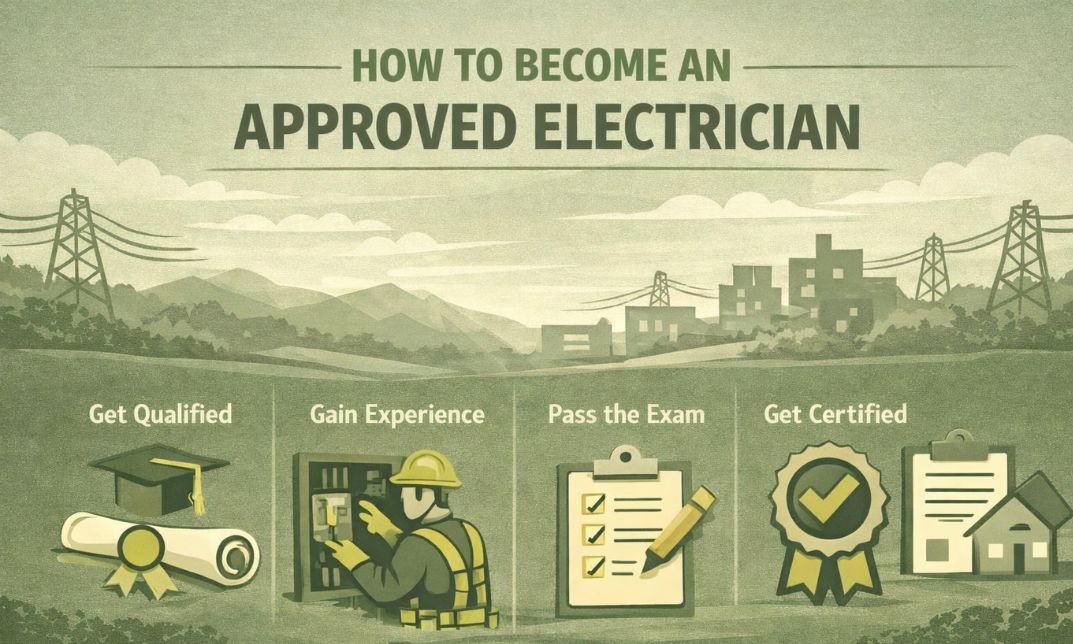
How to become an electrician UK? You can start with an apprenticeship or a suitable course. These routes help you learn electrical skills and gain real work experience. Electricians install, repair and test electrical systems in homes, shops and offices. They also need to follow safety rules carefully.
An apprenticeship lets you earn while learning on the job. A suitable course can also teach you about wiring, electrical systems and safety. With enough training and experience, you can work for an employer or become self-employed.
This guide covers the main steps, skills and training needed.
What Does an Electrician Do in the UK?
An electrician works with power and wires. They fit, test and fix things that use power. They can work in homes, shops, offices and plants. The work can be new or it can be a repair. Here are some jobs an electrician may do:
- Fit wires, sockets, switches and lights
- Install and test electrical systems
- Find and fix electrical faults
- Repair and maintain electrical equipment
- Fit heating, alarm and security systems
- Install electrical and fibre-optic cables
- Check all work and follow safety rules
What are the Main Routes to Become an Electrician?
There are four main routes to become an electrician in the UK. Each route can suit different people based on their experience, learning style and career goals. If you ask, how do I become an electrician in the UK? These options can help you choose the right path.
- College course route: A college course can help you learn electrical basics, safety rules and practical skills. However, you still need workplace experience to become fully qualified.
- Apprenticeship route: An apprenticeship lets you earn while you learn. You work with experienced electricians and gain practical skills alongside classroom training.
- Experienced worker route: This route can suit people who already have electrical experience. You can complete assessments or tests to prove your skills and knowledge.
- Direct job entry route: Some people start by getting a job in the electrical industry. This option can work well if you already have useful skills, training or related experience.
How to Become an Electrician UK Through College?
Yes, college can be a good way to start. You can learn basic electrical skills and how electrical systems work. Courses include Electrical Installation and Electronic and Electrical Engineering. You can also take the T Level in Building Services Engineering for Construction. T Levels often require 4 or 5 GCSEs at grades 9 to 4.
You may also need English and maths. However, college work alone is not enough. You also need real work experience. This helps you build your skills and work safely. Some college courses can help you find an apprenticeship or trainee job. They can give you a good start on how to train as an electrician.
How Does an Electrician Apprenticeship Work?
An electrician apprenticeship lets you work and learn at the same time. You can earn money while you train. Two common routes are Installation and Maintenance Electrician Level 3 and Domestic Electrician Level 3. Domestic electricians mainly work in homes. Other electricians can work in many places.
During the course, you work with skilled electricians. Some learning also takes place at college or a training centre. You learn to fit wires, test systems and find faults. Safety is also a key part of the course. Most apprenticeships take about four years but this can vary. Employers often ask for 5 GCSEs at grades 9 to 4.
What Qualifications Do You Need to Be an Electrician UK?
You need proper training to work as an electrician in the UK. A Level 3 electrotechnical course is a common route. It teaches you how electrical systems work. You also learn how to do the job safely. Real work experience is also key. A short course alone is not enough.
- Level 3 course: Teaches basic electrical work.
- NVQ Level 3: Shows your skills through real work.
- Practical test: Checks if you can do the job well.
- AM2 test: Reviews your hands-on skills.
- 18th Edition: Teaches key wiring rules.
- BS 7671: Gives the main rules for safe electrical work.
How Long Does It Take to Become an Electrician?
The answer depends on your route. A diploma plus NVQ can take 1 to 3.5 years. A full apprenticeship usually takes 2 to 4 years. An experienced worker assessment takes at least 6 months. Fast-track domestic training can take 4 to 12 weeks.
However, you still need site experience, which can take 6 to 18 months. Previous experience can shorten your training time. Your workplace evidence and assessment readiness also affect the timeline. Short courses can teach useful skills, but they do not make you fully qualified on their own.
What is the Diploma and NVQ Electrician Route?
The Diploma and NVQ route gives you both study and work skills. You can start with the City & Guilds 2365 Level 2 Diploma. This course teaches the basics of electrical work. Level 2 study can take 7 weeks with a training provider or 10 weeks to 1 year at college. Next, you can take a Level 3 Diploma.
This can take 7 weeks with a provider or 24 weeks to 1 year at college. After that, the Level 3 NVQ lets you build a work portfolio. It can take 6–18 months. The portfolio shows your skills on real jobs. You then take the three-day AM2 assessment. Your study time depends on your course and access to work.
Can Experienced Workers Qualify as Electricians?
The Experienced Worker Assessment suits people who already have electrical work experience. It is not a route for complete beginners. Depending on the route, you may need at least 3 or 5 years of experience. You also need the right skills, work records and qualifications. The full process can take at least 6 months.
In some cases, it can take 6–18 months. You may need a work portfolio to show your skills. A practical test can also form part of the process. If you ask, how do I become an electrician UK, direct job entry is another route. This can suit people from building services or electrical engineering backgrounds who already have useful skills.
What Skills Do You Need to Become an Electrician?
Electricians need both practical and personal skills. These skills help them work safely and handle daily tasks. Good communication also helps when working with customers and other trades. Here are some important skills for the job:
- Math skills: Useful for measurements, plans and simple calculations.
- Good hand skills: Make it easier to use tools and handle small parts.
- Problem-solving: Helps you find faults and fix electrical issues.
- Attention to detail: Helps you spot mistakes and work safely.
- Communication: Supports clear communication with customers and co-workers.
- Safety awareness: Keeps you alert to risks during electrical work.
Does Part P Apply to Electricians in the UK?
Part P is part of the Building Regulations in England. It helps keep home electrical work safe. Some work must be reported to building control. However, not every electrical job needs notification. The rules depend on the type of work. Electricians can join a government-approved competent person scheme.
This lets them self-certify some work. Scheme operators check their skills before approval. Electricians must also provide the right certificate after the work. Always check the latest Part P rules before starting domestic electrical work.
Where Can Electricians Work and What Can They Earn?
Electricians work in homes, offices, shops and construction sites. Some jobs involve tight spaces, heights or on-call work. NCS career-profile figures show salaries of £26,000 for starters and £45,000 for experienced electricians. Typical hours range from 37 to 45 hours a week. Pay can vary by role, location and experience.
Electricians can also work with solar panels, EV chargers and low-carbon systems. With experience, they can move into site supervision, estimating, contract management or electrical design. Training and self-employment offer other career options.
How Can You Start Your Electrician Career From Zero?
Starting an electrician career becomes easier when you follow clear steps. With experience, you can move into supervision or self-employment. The following steps explain how to become an electrician in the UK:
- Check your basics: Make sure you have suitable GCSEs and basic maths and English skills.
- Choose a route: Compare college courses and apprenticeships before you start.
- Gain experience: Get real workplace experience and build practical skills.
- Complete training: Work towards the required Level 3 training and assessments.
- Build your skills: Keep workplace evidence and complete AM2 where needed.
- Know the rules: Learn current BS 7671 requirements and check ECS needs.
- Choose your path: Explore domestic, commercial, industrial or renewable work.
Final Thoughts on How to Become an Electrician UK
Learning how to become an electrician UK can open the door to a practical career. You can start through an apprenticeship or suitable electrical training. Build your skills, gain hands-on experience and understand safety rules. With the right training and experience, you can work on homes, shops and other buildings.
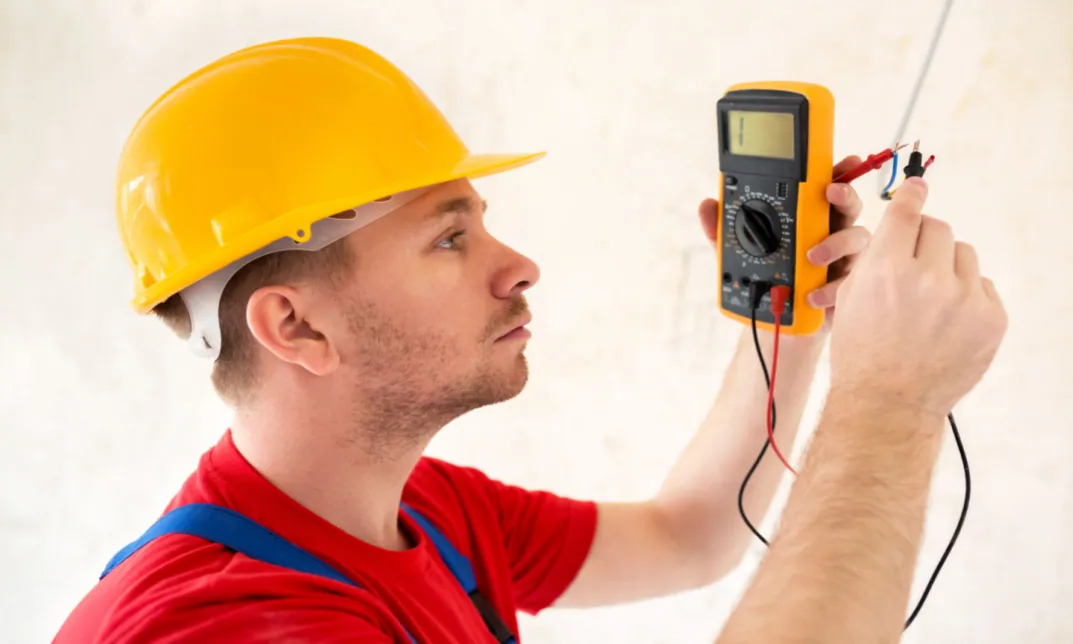
Ready to start your electrician career with no experience? Take your first step with our Basic Electrician Course.
FAQs
1. How long does it take to become an electrician in the UK?
- It can take around four years through an electrician apprenticeship. Other training routes can take less time, depending on the course and experience.
2. What is an electrician’s salary in the UK?
- An electrician can earn around £39,000 a year as a full-time worker. Pay can change with experience, location and type of work.
3. Can I become an electrician at 30?
- Yes, you can become an electrician at 30. Age does not stop you from starting training or gaining electrical skills.
4. What’s the quickest you can become an electrician?
- The quickest route depends on your training and practical experience. Short courses can teach basic skills but becoming a qualified electrician takes longer.
5. Is 30 too late to be an electrician?
- No, 30 is not too late to start an electrical career. You can train, gain experience and build your career at any age.
6. Is electrician a well paid job?
- Electricians can earn a good income in the UK. Your pay can increase with experience, skills, qualifications and the type of electrical work you do.
Basic Electrician Course
Course Description :
- Certificate: Yes(Free)
- Accreditation: CPD Accredited
- Access: Lifetime