No products in the cart.
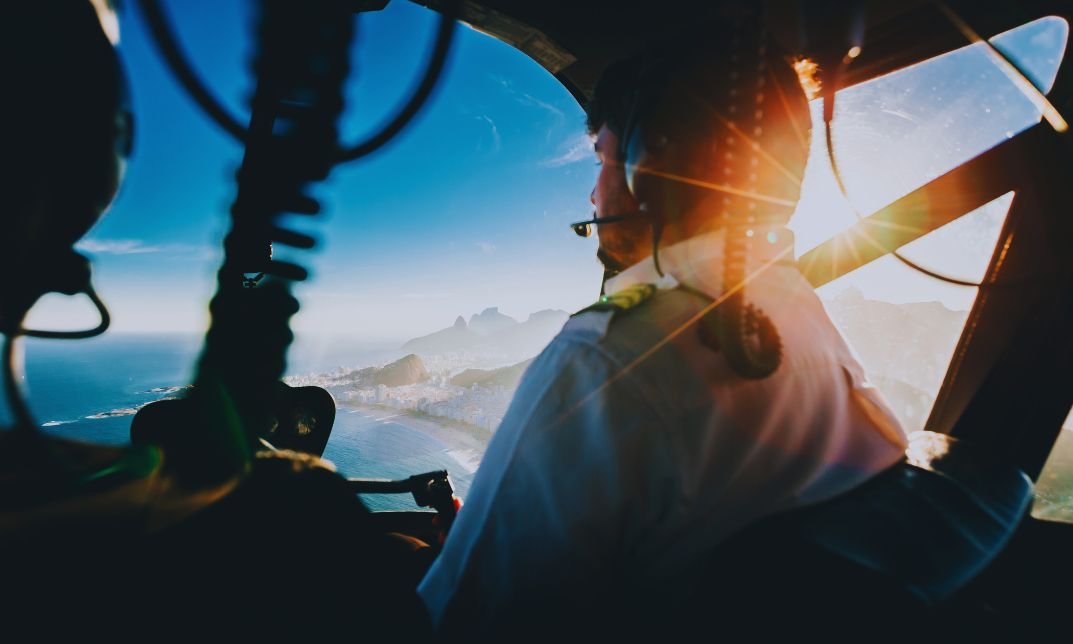
Imagine capturing a stunning photo from hundreds of feet above the ground. Drone photography gives you this exciting view without needing a plane or helicopter. It can make simple places look more attractive in photos. You can capture landscapes, buildings, events, beaches and outdoor scenes from above.
However, great aerial photos need more than a good drone. You need the right camera settings, good lighting, safe flying skills and careful planning. You also need to follow local drone rules before you fly. With practice, you can create sharp and creative photos from the sky.
This guide explains how drone camera photography works and what you need to get started.
What is Drone Photography and How Does it Work?
Drone-based photography uses a flying drone to take photos from the air. The drone carries a camera and captures images from different heights and angles. With photography with a drone, you can move above, around or away from your subject. This helps create wide aerial and bird’s-eye views.
You can also take photos straight down from above. People use drones to photograph landscapes, buildings, roads, beaches and properties. They also capture gardens, rivers and construction sites. Modern drones make aerial photos easier to take.
Why Does Drone Photography Give You New Views?
Drone camera photography helps you see places from fresh and unusual angles. A drone can show patterns from above and reveal wider surroundings. It can also capture hard-to-reach angles that normal cameras cannot. This can add depth to property photos and show roads, fields, rivers and natural shapes clearly.
Flying higher does not always make a photo better. Good photos also need the right light and a good view. The aim is to find an interesting angle, not just fly higher. Drones make it easy to move around and try new views. Each angle can help tell the story of the photo.
Which Drone Photography Techniques Should You Try?
A good drone photo needs more than simply flying and pressing the shutter. The right technique can make your subject look clear and interesting. Try different heights, directions and framing styles. Also, look for shapes, lines, textures and shadows before taking a photo.
- Straight-down shots: Shoot directly above to capture clear patterns and textures.
- Low-altitude views: Fly lower to create a closer and stronger perspective.
- Leading lines: Use roads, rivers or paths to guide the viewer’s eyes.
- Symmetry: Look for balanced shapes in buildings, fields and other subjects.
- Patterns and shadows: Capture repeated shapes, textures and strong shadows.
- Layered landscapes: Include roads, beaches, fields or buildings at different depths.
What Equipment Do You Need for Photography With a Drone?
You need a few basic items for photography with a drone. These include a camera drone, controller, spare batteries, memory cards and propeller spares. You may also need charging equipment and safe landing gear. You can use editing software to make your photos look better later.
Some consumer drones offer around 20MP cameras. Many also have 30 minutes or less of flight time. Entry-level drones can cost a few hundred pounds. However, do not choose a drone by megapixels alone. Check the sensor, stability, flight time and image quality. RAW photography and high-resolution images can also help with professional work
How Can Beginners Start Drone Photography?
Drone camera photography for beginners starts with learning to fly safely. First, learn the drone controls and practise in an open area. Then, learn basic camera settings, such as exposure, focus, shutter speed and light. Start with simple subjects, such as trees, fields or buildings. Once you feel comfortable flying, test different heights and angles.
Flying higher does not always make a photo better. Good photos also need the right light and a good view. The aim is to find an interesting angle, not just fly higher. Drones make it easy to move around and try new views. Each angle can help tell the story of the photo.
How Do You Plan a Drone Photography Shoot?
Good planning can make a drone-based photography shoot easier and safer. Before flying, check the location with map or satellite tools. Look at the subject, sun position, weather, wind and nearby obstacles. Also, check the airspace and choose a safe launch area. Plan your battery time and possible camera angles before take-off.
For property photography, planning times can vary between services. One London provider asks for flight requests at least 7 days before flying. Some approvals may provide a 30-day flight window. These figures apply to that service only. They are not universal UK rules.
What Makes Professional Drone Photography Look Better?
Professional photography by drone needs more than a good camera or high flight. A photographer plans each photo before taking it. They check the light, time, subject and camera angle. They also keep the drone steady while taking each shot. Good framing helps keep the main subject clear and easy to see. Light, shadows and weather can also change the final photo.
So, photographers choose conditions that suit the subject. They should not take random photos just because the drone can fly high. One property service offers 8–10 drone images at 3000 × 2000 pixels and 150 dpi. It also offers 8064 × 4536 pixels and 300 dpi. These are examples from one provider, not fixed industry standards.
How Much Does Drone Photography Cost in the UK?
The drone photography cost UK can vary widely between shoots. There is no single price for every location or project. Your final price may depend on the location, airspace, permissions, travel and editing needs. Complex sites may also need extra planning and approval. Here are some specific service-provider examples:
- Standard drone add-on: From £225.
- Restricted-zone shoot: Around £275 including VAT.
- London Heliport surcharge: An extra £75.
- Royal Parks work: Can cost over £1,000.
- Standard property photography: From £100, separate from drone work.
- Professional drone photography: Prices can rise with extra travel, permissions or editing.
Where Can You Use Drone Photography for Business?
Drone-based photography helps businesses show places from a clear, wider view. Estate agents can show properties and the areas around them. Hotels and tourism companies can capture beaches, parks and other attractions. Businesses can also use these photos on websites, adverts and social media.
Construction teams can track building work, roof work and large sites. Drones also support events, nature projects, surveying, mapping and site checks. They can show both small details and large areas. Projects near Bond Street Station, Orme Court and Park Modern shows these business uses.
What Safety Checks Should You Make Before Flying?
A few simple checks can help you fly your drone safely. Check the weather and airspace before you leave. Make sure your take-off area is safe and free from people and obstacles. Check the drone, battery and controller before flying. Keep the drone in sight when the rules require it.
Also, respect people’s privacy and property. Get permission from the landowner before taking off or landing. Commercial drone flights need third-party insurance under CAA rules. Distance rules, such as 50 m and 150 m, depend on the drone class and flight category. So, do not treat one distance as a rule for every flight.
What UK Drone Rules Apply to Photography?
UK drone rules changed on 1 January 2026. So, photographers should check the rules before each flight. Most outdoor drone users need to understand the Flyer ID and Operator ID rules. The exact requirements depend on the drone’s weight and use.
- 100g or more: You need a Flyer ID.
- 100g to under 250g with a camera: You need an Operator ID too.
- 250g to under 25kg: You generally need both IDs.
- Operator ID: Costs £12.34 per year.
- Flyer ID: Free and lasts 5 years.
- Open Category: Covers many lower-risk drone flights.
- Advanced flights: May need extra training or CAA authorisation.
How Do You Edit Drone Photos and Videos?
Editing can make drone photos clearer and more pleasing. Start by choosing your best images. Then crop unwanted areas and straighten the photo. Adjust exposure, highlights, shadows and contrast to improve the image. You can also balance colours and sharpen small details. Remove small distractions when needed.
Tools such as Lightroom, Photoshop and Premiere Pro can help with photo and video work. Drone video photography may also need basic video editing skills. Keep your edits natural and avoid very bright colours. Where possible, save the original RAW files. They give you more control when editing later. Good drone work needs both flying and editing skills.
Can Drone Photography Become a Career?
Yes. Drone photography can become a career in photography, media and aerial work. You may work as a drone photographer, photographer, videographer or drone pilot. Other roles include camera operator, property photographer and surveying drone operator.
You may also find work as a UAS instructor or field research photographer. Some job adverts show pay of £22,000 to £30,000 for camera crew roles. Senior camera operator roles show £35,500 to £45,000. One UAS instructor role offers up to £42,000.
A Drone Spotter advert also lists £150 to £200 per day. However, these figures come from individual job adverts. They are examples of advertised pay, not average drone photographer earnings.
Final Thoughts
Starting with drone photography takes more than buying a good drone. You also need planning and regular practice. Learn how to frame shots and fly your drone safely. Editing skills can also improve your photos. In the UK, check drone registration and flying rules first. Commercial work may need insurance and extra training. These skills can help you create projects, market homes, support construction and offer other services.
FAQs
1. Is drone photography legal in the UK?
- Yes, drone camera photography is legal in the UK. However, you must follow UK drone rules and check where you can fly.
2. How much does a drone photographer cost?
- A drone photographer may charge based on the project and location. Prices can also change with shooting time and editing needs.
3. How to start doing drone photography?
- Start by learning safe drone flying and basic photography skills. Then practise shots, learn editing and check UK drone rules.
4. How much does drone photography cost?
- The cost depends on the type of photography you need. Simple shoots usually cost less than large commercial projects.
5. How much does drone photography cost in the UK?
- UK drone-based photography prices vary by project and photographer. Property shoots, events and commercial work may have different costs.
6. Are drones worth it for photography?
- Yes, drones can add new views and creative shots to your work. They can also help photographers offer property and commercial services.