No products in the cart.
What do butterfly tattoos represent? In many places, they symbolise change, joy, the soul, or remembrance. Yet, the meaning shifts across cultures, giving each butterfly tattoo a unique story. Butterfly tattoos are more than just beautiful designs. They carry deep meanings, often linked to transformation, freedom, and the soul. From love and joy to remembrance and growth, butterflies tell a story that goes beyond their delicate wings.
In this blog, you’ll explore the meanings of butterfly tattoos across different cultures. You’ll see how symbolism can represent transformation, freedom, love, or remembrance. By the end, you’ll understand how to choose a butterfly tattoo that tells your own personal story.
How Culture Shapes the Meaning of Butterfly Tattoos
Language, folklore, festivals, and religion all influence how people interpret butterflies. Every culture adds its own stories, symbolism, and traditions, giving each tattoo a unique significance.
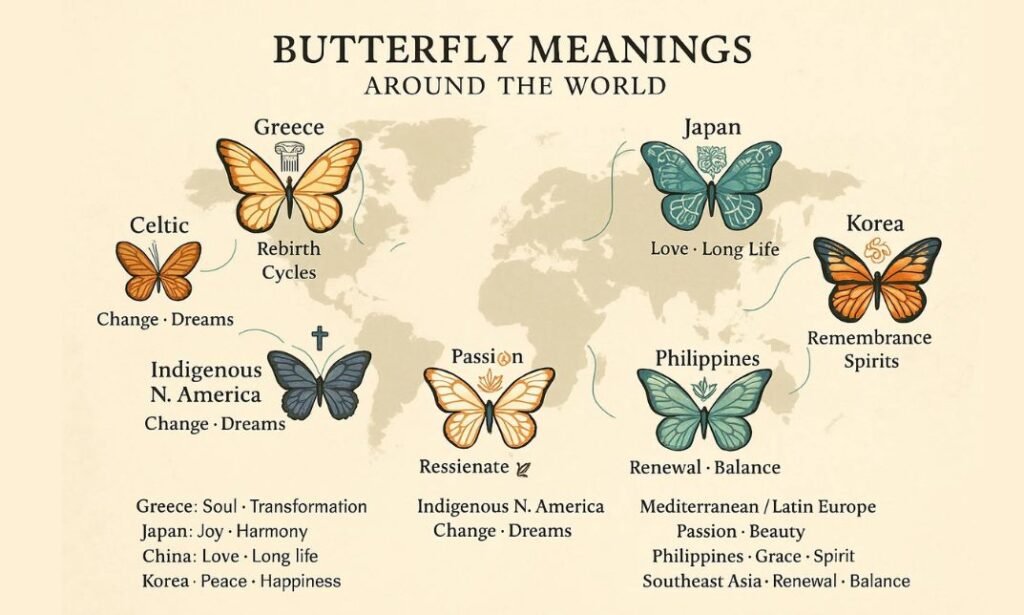
- Greece: Butterflies link to psyche, meaning both soul and butterfly. They symbolise transformation, personal growth, and the journey of life.
- Japan: A single butterfly represents joy and femininity; paired butterflies show love, partnership, or marital harmony.
- Mexico: Monarch butterflies appear during the Day of the Dead, carrying the spirits of loved ones returning home.
- China: Butterflies often symbolise long life, lasting love, and happiness, especially when shown in pairs or with flowers.
- Western cultures: Often seen as symbols of freedom, beauty, and new beginnings; people choose them to celebrate personal change, overcome challenges, or remember someone special.
- Other meanings: In some cultures, butterflies also represent resurrection, hope, or the fleeting nature of life, reminding wearers to embrace every moment.
What Do Butterfly Tattoos Represent in Cultures
Ancient Greece — Butterfly Tattoo Meaning in Greek Culture
In Ancient Greece, the word Psyche meant both “soul” and “butterfly.” Because of this, butterflies symbolised the inner self and the journey of love. It wasn’t just about changing on the outside—it represented deep growth of the soul.
For many people, a butterfly tattoo inspired by Greek culture is more than decoration. It tells a story of transformation, challenges, and rewards. It’s perfect for anyone who wants to honour personal growth or celebrate a meaningful relationship.
Here’s why a Greek-inspired butterfly tattoo can be so special:
- Soul and transformation – It reminds you of your inner growth and personal journey.
- Love and connection – It can celebrate a relationship that shaped who you are.
- Spiritual meaning – It goes beyond looks; it’s about the heart and soul.
- Timeless symbol – Rooted in history, it connects you to ancient traditions and stories.
A butterfly tattoo like this carries meaning every time you see it. It’s a small but powerful way to honour your story, your love, and your soul’s journey.
Japan — Butterfly Tattoo Meaning in Japanese Culture
In Japan, butterflies often mean happiness, beauty, and youth. A single butterfly can show new beginnings and personal growth.
Here’s what butterfly tattoos mean in simple terms:
- Single butterfly — shows beauty, joy, and personal change.
- Two butterflies together — means harmony, love, and partnership.
- Traditional art — butterflies appear in Japanese art and clothes, making tattoos cultural.
- Honouring relationships — people choose butterflies to celebrate love, family, or friendship.
China — Butterfly Tattoo Meaning in Chinese Culture
In China, butterflies often stand for love and long life. They are linked with romance and good luck.
Here’s what butterfly tattoos mean in Chinese culture:
- Love and longevity — show lasting relationships and happiness.
- Butterfly near flowers — symbolises joyful unions and the fresh energy of spring.
- Happy love stories — people choose it to celebrate love or new positive chapters in life.
Korea — Butterfly Tattoo Meaning in Korean Culture
In Korea, butterflies often mean happiness and peace. They show that life is going well.
Here’s what butterfly tattoos mean in simple words:
- Happiness and peace — show joy and calm in life.
- Good luck and change — butterflies in folk art mean hope and positive change.
- Special moments — people get butterflies to celebrate happy and promising times.
Mexico (Día de Muertos) — Butterfly Tattoo Meaning in Mexican Culture
In Mexico, people believe monarch butterflies bring back the souls of loved ones. They remind us of family, love, and homecoming.
Here’s why butterfly tattoos are special in Mexican culture:
- Remember loved ones — a butterfly shows respect and keeps memories alive.
- Celebrate heritage — people use butterflies to feel close to their culture and roots.
- Paired with marigolds — adds colour, honour, and remembrance during Día de Muertos.
This design is emotional and personal. Many choose it to feel connected with family and celebrate life, even after loss
Celtic Traditions — Butterfly Tattoo Meaning in Celtic Culture
In Celtic culture, butterflies show rebirth and nature’s cycles. They also represent movement between the seen and unseen worlds.
Here’s why butterfly tattoos are meaningful in Celtic culture:
- Rebirth and renewal — show new beginnings and personal growth.
- Resilience through seasons — reminds us to stay strong through life’s changes.
- Connection to the land — perfect for people who feel close to nature and its cycles.
Many people choose this tattoo to celebrate life, growth, and staying grounded, making it both personal and powerful.
Indigenous North America — Butterfly Tattoo Meaning in Indigenous Cultures (Varies by Nation)
In many Indigenous North American cultures, butterflies often mean change, messages, dreams, and new beginnings. The meaning can be different for each nation.
Here’s why butterfly tattoos are special:
- Change and new beginnings — show personal growth and life changes.
- Messages and dreams — butterflies can carry important or spiritual messages.
- Respect culture — some designs are very special, so learn about the traditions first.
- Personal connection — tattoos feel most meaningful when they connect to your own story or tribe.
Christian Europe — Butterfly Tattoo Meaning in Christian Traditions
In Christian Europe, butterflies often mean resurrection and new spiritual life. They show growth from the old to the new.
Here’s why butterfly tattoos are meaningful in Christian culture:
- Resurrection and rebirth — show new beginnings and second chances.
- Faith journey — people choose butterflies to mark their spiritual path.
- Hope and positivity — tattoos are often subtle and remind us to stay hopeful.
This tattoo can feel very personal and uplifting, symbolising faith, hope, and fresh starts in life.
Mediterranean & Latin Europe — Butterfly Tattoo Meaning in Southern European Cultures
In Southern Europe, butterflies often mean passion, beauty, and transformation. Folk-Catholic traditions also add hope and positivity.
Here’s why butterfly tattoos are special in these cultures:
- Passion and beauty — shows love for life, art, and creativity.
- Transformation and hope — mark personal growth and positive changes.
- Celebrating life — perfect for new beginnings, relationships, or joyful moments.
Philippines — Butterfly Tattoo Meaning in Filipino Culture
In the Philippines, butterflies often mean grace, courtship, and a lively spirit. They appear in songs, stories, and folk art.
Here’s why butterfly tattoos are special in Filipino culture:
- Grace and charm — show beauty, elegance, and poise.
- Joyful change — marks new beginnings and happy transformations.
- Playful and optimistic — perfect for people with a light, cheerful personality.
Southeast Asia (Regional View) — Butterfly Tattoo Meaning in Southeast Asian Cultures
In Southeast Asia, butterflies often mean renewal, beauty, and the passing of time. They appear in folk art and stories.
Here’s why butterfly tattoos are special in this region:
- Renewal and beauty — show personal growth and life’s gentle changes.
- Seasonal change — marks balance and harmony in life.
- Gentle transformation — perfect for people who value calm, meaningful growth.
Many choose these tattoos to celebrate life’s changes and personal journeys, making them both meaningful and uplifting.
Persian/Urdu Poetry Traditions — Butterfly Tattoo Meaning in Persianate Cultures
In Persian and Urdu poetry, butterflies often mean longing, wonder, and fleeting beauty. They reflect feelings of the heart.
Here’s why butterfly tattoos are special in these cultures:
- Longing and beauty — show delicate emotions and appreciation of life’s fleeting moments.
- Inner awakening — people in the diaspora use it to mark personal growth and self-discovery.
- Poetry and art — perfect for poetry-lovers who want to show tender transitions in life.
Modern Global Culture — Contemporary Butterfly Tattoo Meaning
Today, butterflies often mean personal change, survival, and showing who you are. People mix meanings from different cultures.
Here’s why butterfly tattoos are popular now:
- Personal reinvention — shows growth and new beginnings in life.
- Survivorship — marks overcoming challenges or hard times.
- Identity expression — perfect for people who want to show their story and personality.
- Mix of cultures — you can combine symbols from different traditions to make it unique.
Many choose these tattoos to tell their own story, celebrate life, and express who they are, making them personal and meaningful.
Languages & Names of “Butterfly”
Different languages give butterflies unique names, which subtly shape their cultural meanings. These words carry history, tradition, and emotion. Here’s a simple guide:
- Greek: psyche (ψυχή) → means soul, showing the inner self, personal growth, and spiritual journey.
- Japanese: chō (蝶) → reflects grace, joy, and elegance; often used in art and poetry.
- Chinese: húdié (蝴蝶) → stands for love, long life, and happiness in relationships.
- Korean: nabi (나비) → means happiness, harmony, and peaceful life.
- Spanish: mariposa → suggests lightness, beauty, freedom, and the joy of living.
- Filipino: paru-paro → represents a lively, cheerful spirit and playful energy.
Each word reflects culture, history, and emotion. When using these names, it’s important to respect their meaning and heritage. Many people choose tattoos inspired by these words to connect with culture, express themselves, and celebrate life’s beauty.
(Tip: Scripts and characters carry cultural weight—always use them respectfully when exploring symbolism.)
When People Choose the Symbol
Butterfly tattoos often follow culture and life moments, blending personal meaning with tradition.
- Mexico (Día de Muertos) → to remember family and loved ones, and celebrate returning spirits.
- Greece / Christian Europe → for baptisms, new starts, or important faith moments.
- Japan / Korea / China → for weddings, anniversaries, or spring festivals to show joy and peace.
- Celtic traditions → at solstices or seasonal events, showing life cycles and staying strong.
- Indigenous communities → only with guidance when designs are special or sacred.
Respectful Use: Culture-First Etiquette & Boundaries
- Research First: Understand the cultural lens before getting your tattoo. Learn the stories and meanings behind the designs.
- Ask for Permission: Some Indigenous or heritage motifs require guidance or mentorship. Always check before adapting them.
- Use Language Carefully: Verify spellings and characters. Avoid sacred texts just for decoration. Respect shows cultural awareness.
- Focus on Context, Not Trends: Choose symbols you genuinely connect with—through heritage, lived experience, or meaningful personal ties.
How to Communicate Your Cultural Meaning to Your Tattoo Artist
Start by clearly naming the culture and explaining what the butterfly symbolises in that context. This helps your artist understand the meaning behind your design and gives them a clear direction.
Next, gather 3–5 culture-source references such as art, festivals, or literature. Avoid using other artists’ tattoos as inspiration, as they might not reflect authentic cultural meaning.
When discussing your tattoo, use the correct cultural term, like psyche, chō, húdié, or nabi. Explain the nuance you want the design to convey. It’s important to state boundaries. Always find out which parts of a tattoo design are sacred and which can be changed. Then, ask your tattoo artist for advice. This way, you respect the culture and still make a tattoo that shows your own story. Finally, provide a one-page brief that includes verified wording or characters. This ensures accuracy, shows respect, and guides your tattoo process effectively.
Minimum Requirements in the UK (2025) — Age & Health
In the UK, you must be 18 or older to get a tattoo. There is no parental-consent exception. Laws include the Tattooing of Minors Act 1969 in England, Wales, and Scotland, and the Tattooing of Minors Order 1979 in Northern Ireland. Always bring a valid photo ID, such as a passport, driving licence, or PASS 18+ card.
Reschedule your appointment if you are unwell, sunburned, or under the influence of alcohol or drugs. Your health affects how well your skin handles the tattoo.
If you are pregnant, immunosuppressed, or have conditions like diabetes, heart problems, or clotting disorders, check with a clinician first. Disclose any allergies or medications, including blood thinners, to your tattoo artist.
Eat and stay hydrated before your session. Bringing a brief medical note for your artist can help them work safely and confidently.
Safety & Hygiene: How to Stay Safe during a Tattoo
You need to consider safety and hygiene. A tattoo is permanent, so checking studio standards protects both your skin and your design.
In the UK, studios must hold proper licences. In England and Wales, check local council registration under the Local Government (Miscellaneous Provisions) Act 1982. London boroughs may require a Special Treatment Licence, while Scotland follows the Civic Government (Scotland) Act 1982 for skin piercing and tattooing.
On-site, you should see new single-use needles opened at the station, gloves and barrier film in use, a sharps bin nearby, disinfected surfaces between clients, and written consent plus aftercare instructions.
Ask about infection-prevention routines. They should follow the current Guidance on Tattooing and Body Piercing: Infection Prevention and Control Guidance, published 5 March 2025, to keep every client safe.
Tattoo Infection Control (for Artists & Apprentices)
Artists and apprentices must follow strict infection-control rules to protect clients and themselves. Always follow local council requirements when tattooing.
For extra training, consider the Tattoo Infection Control Level 3 Advanced Diploma by Wise Campus. It’s an online course that teaches safe practices, hygiene protocols, and up-to-date UK standards. Completing it ensures you work confidently and responsibly in any studio.
So, What Do Butterfly Tattoos Represent?
Butterfly tattoos symbolise transformation, freedom, love, and joy across many cultures. They can mark personal growth, new beginnings, or a reminder to embrace change. When choosing your design, think about the colours, size, and style that feel meaningful to you, whether it’s realistic, minimalist, or abstract.
It’s also important to respect traditions and cultural meanings—some butterfly designs hold special significance in different parts of the world. Plus, always follow safety and hygiene rules when getting tattooed to protect your health and ensure the ink lasts well.
Finally, a butterfly tattoo is not just decoration—it’s a personal story on your skin. Take your time picking a design that reflects your journey, emotions, or aspirations. That way, every glance at your tattoo will remind you of growth, hope, and joy.
Frequently Asked Questions (FAQs)
- What is the meaning behind getting a butterfly tattoo?
A butterfly tattoo symbolises transformation, rebirth, and freedom. It represents hope, resilience, and embracing life’s changes.
- What do butterfly tattoos mean in mental health?
A butterfly tattoo symbolises healing, growth, and hope. It also represents The Butterfly Project, spreading awareness and resilience.
- Why do people get butterflies tattooed on them?
A butterfly tattoo symbolises survival, transformation, and rebirth, representing resilience, personal growth, and overcoming life’s challenges.