No products in the cart.
You might be asking yourself, How many different types of asbestos training are there?, and the answer is important, because asbestos is still a real danger today. Every year, thousands of people in Great Britain die from diseases like mesothelioma and lung cancer caused by asbestos. It can hide in many buildings built or refurbished before 2000, so you can’t take chances. That’s why asbestos training isn’t just a box to tick—it’s a way to stay safe, protect others, and follow the law. In the UK, there are three main levels of asbestos training, plus extra courses for managers and supervisors who need to go one step further.
In this article, we look at asbestos training in detail. You’ll find out the main types of training, why it’s important, how courses differ depending on the work, and what extra options exist for supervisors. By the end, you’ll have a clear idea of what training is needed and how it helps keep people safe.

Asbestos Still Kills Thousands
Asbestos is still very dangerous in Great Britain. Every year, about 5,000 people die from diseases caused by asbestos. These include mesothelioma, lung cancer, and asbestosis. In 2023, 2,218 people died from mesothelioma alone. This shows how serious asbestos is.
Asbestos Can Be in Many Buildings
Asbestos can be found in buildings built or refurbished before 2000. This includes homes and workplaces. A simple rule: if a building is from before 2000, assume it may have asbestos. That is why knowing about asbestos is so important.
Training Is Required by Law
The law says employers must give training to anyone who may work with or near asbestos. This also applies to supervisors. Proper training helps protect lives.
How Many Different Types of Asbestos Training Are There?
In the UK, the HSE and most industry guidance recognise three main types of asbestos training. These are the core courses that everyone working with or near asbestos should know about.
Asbestos Awareness Training – Category A
- This is the basic course. It helps workers spot asbestos and understand the risks. Everyone should know this, even if they do not handle asbestos directly.
Non-Licensed Asbestos Training – Category B
- This covers work that can disturb asbestos without a licence, including notifiable non-licensed work. Workers learn how to do these jobs safely.
Licensed Asbestos Work Training – Category C
- This is for high-risk jobs that require a licence. It teaches strict safety rules for handling asbestos.
Other “Types” You Might See
Some training providers, such as Praxis42 and NATAS, offer additional courses for supervisors, managers, or dutyholders. These are not separate HSE levels, but they give extra skills to keep everyone safe. There is also refresher training for all levels. This is not a new type of training. Instead, the law expects workers to keep their knowledge up to date. Refresher courses help people stay safe and follow the rules.
Overall, the HSE framework has three main levels – A, B, and C – and many providers add extra courses for managers or supervisors. These additional courses help protect workers and make workplaces safer.
What Is Asbestos Training and Why Is It Needed?
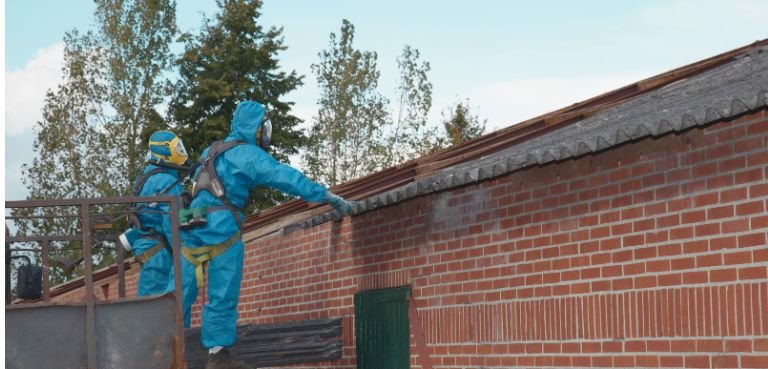
Asbestos training teaches people how to work safely around asbestos. It is very important because asbestos can be deadly. In the UK, Regulation 10 of the Control of Asbestos Regulations 2012 (CAR 2012) says employers must give training to workers who may be exposed, or to their supervisors.
What the Law Says
Training must explain what asbestos is and how it can harm health. Workers need to know about serious diseases like mesothelioma, lung cancer, and asbestosis. It must also show which materials may contain asbestos. This helps workers spot asbestos in homes, schools, offices, hospitals, or factories. Workers must learn which jobs or tasks could cause exposure. This teaches them how to avoid danger. Finally, training must cover safe working methods, protective equipment, and emergency procedures. Everyone should know how to stay safe if asbestos is found.
Why Training Matters
Asbestos is still the biggest cause of work-related deaths in Great Britain. About 5,000 people die from asbestos-related diseases every year. It may be in any building built or refurbished before 2000. Learning about asbestos and how to stay safe can save lives.
What Training Covers
- Asbestos training gives workers the basic skills to stay safe. First, it teaches them how to spot materials that may contain asbestos. These materials often appear in old walls, ceilings, pipes, and floors, so workers learn where to look and what signs to notice.
- Next, the training explains the health risks, including mesothelioma, lung cancer, and asbestosis. These illnesses are serious, so workers understand why even small fibres can harm the body.
- Finally, the course shows workers how to avoid disturbing asbestos or, when needed, how to work with it safely. Category A covers avoiding risk, while Categories B and C teach safe handling with the right gear and steps.
- With these lessons, workers feel more aware and more confident.
Good training keeps workers confident and workplaces safe. It is not just the law—it protects lives.
What Is Asbestos Awareness Training?
Asbestos awareness training is Category A, the basic level. It is for workers who may see asbestos during their normal jobs but will not work with it. The main goal is simple: help workers stay safe and avoid disturbing asbestos. Many people feel more confident after this training because they understand what asbestos looks like and why it can be dangerous.
The training shows workers how to notice asbestos early. It also guides them to stop work and call the right person if they spot it. However, it does not teach anyone to remove or handle asbestos. Instead, it gives workers the knowledge to stay calm, careful, and safe in their everyday tasks.
Legally, Category A training is required under Regulation 10. Anyone who may come across asbestos must take it. This includes workers doing repairs, cleaning, decorating, or maintenance in older buildings. Because the rule is clear, employers know exactly what training to provide.
During the course, workers learn about the health risks of asbestos, including serious illnesses like mesothelioma, lung cancer, and asbestosis. They also learn where asbestos materials are usually found and how to recognise damage. Finally, they are shown how to avoid touching asbestos and what to do if an accident happens. These lessons make workers aware, confident, and ready to act safely.
What Is Non-Licensed Asbestos Training?
Non-licensed asbestos training is Category B. It is for workers who will actually work on asbestos materials, but only on jobs that do not require an HSE licence. For example, workers might drill, remove, or repair asbestos-containing materials (ACMs) safely without a full licence. This training is important because it teaches people how to do their work safely and avoid putting themselves or others at risk. Many workers feel reassured after this training because they know the right way to handle asbestos.
Some common non-licensed work includes:
- Drilling holes in asbestos insulating boards (AIB) or textured coatings under controlled conditions
- Removing small areas of asbestos-containing floor tiles
- Short jobs on asbestos cement sheets, gutters, or pipes that are in good condition
- Taking samples of suspect materials for testing
Category B training covers everything in awareness training, but also adds practical skills, such as:
- How to assess whether work is licensable, non-licensed, or Notifiable Non-Licensed Work (NNLW)
- Safe methods for work, including wetting, controlled removal, reducing breakage, and containment
- Correct use of PPE and RPE, decontamination, and safe handling and disposal of asbestos waste
- Understanding and following risk assessments and plans of work for each job
Some non-licensed tasks are classed as Notifiable Non-Licensed Work (NNLW). These bring extra responsibilities:
- Notify the enforcing authority before starting work
- Take part in medical surveillance
- Keep records of all work done
Overall, following these steps helps workers feel safe, protects others, and ensures the job is done correctly. Therefore, proper training is essential, and it gives workers confidence. Additionally, knowing the rules and safe methods reduces accidents. It keeps both workers and the public protected.
What Is Licensed Asbestos Training?
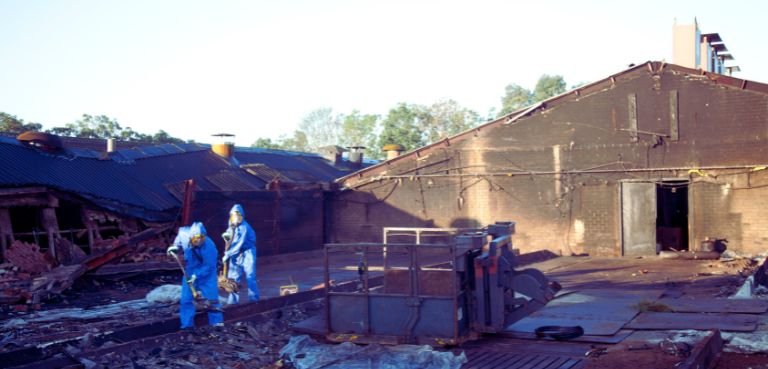
Licensed asbestos training is Category C. It is for higher-risk jobs that legally require an HSE asbestos licence. These are tasks where workers face serious exposure to asbestos. Many people feel nervous about these jobs, but proper training helps them stay safe and feel more confident. It prepares workers for situations where mistakes can be very dangerous.
Definition of “licensable work”
Under the Control of Asbestos Regulations 2012, employers must hold an HSE licence to carry out “licensable work with asbestos.” According to HSE guidance, this includes work on sprayed asbestos coatings, most repair or removal of asbestos insulation like lagging or thermal insulation, and most work on asbestos insulating board (AIB), such as removing walls, linings, or suspended ceilings. Because these tasks are high-risk, workers need proper training to protect themselves and others.
What Category C training involves
Category C training gives in-depth, hands-on lessons for operatives, supervisors, and contract managers. Workers learn full enclosure and removal techniques, how to use and maintain specialist respirators, and proper decontamination procedures. The course also covers air monitoring, four-stage clearance, emergency procedures, and incident investigation. This way, workers feel prepared and confident even in difficult situations.
Additional controls linked to licensed work
Workers doing licensable work must have regular medical checks. Employers must also follow strict HSE licence rules and face tighter inspections. Overall, Category C training is challenging but essential. Therefore, it gives workers the knowledge, confidence, and skills they need to handle the most dangerous asbestos tasks safely.
Who Needs Each Type of Asbestos Training?
Asbestos training depends on the job. Different roles need different levels to stay safe. Let’s see who needs which training.
Category A – Asbestos Awareness
This is the basic level. It is for people who may come across asbestos but do not work with it directly. It helps them stay alert and avoid accidents. Typical roles include general construction workers, electricians, plumbers, and heating engineers. Carpenters, joiners, roofers, plasterers, painters, and decorators also need it. Additionally, telecoms installers, alarm or CCTV installers, and maintenance staff, caretakers, or handymen in schools, hospitals, councils, and housing associations should take this training. It gives workers confidence and helps them understand the risks.
Category B – Non-Licensed Asbestos
This level is for workers who will deliberately disturb small amounts of asbestos, but the work does not require a licence. Examples include electricians drilling through asbestos boards or ducts, plumbers working on asbestos gaskets or pipework, roofers dealing with asbestos cement sheets, and flooring contractors removing asbestos tiles or adhesives. Also, asbestos surveyors and analysts need Category B training plus some specialist modules. This training teaches them how to work safely while handling asbestos.
Category C – Licensed Asbestos Work
This is for high-risk jobs that legally need an HSE licence. Operatives, supervisors, managers, and contract managers in licensed asbestos firms must take this training. Sometimes, large organisations have specialised teams doing licensable work in-house, but they must still be licensed. Therefore, Category C training is very detailed and teaches strict safety steps to protect workers and the public.
Duty-to-Manage / Manager Training
People responsible for managing asbestos in non-domestic buildings, like building owners, landlords, or FM/estates managers, need extra training. They learn about surveys, registers, and management plans on top of basic awareness. This way, they can keep buildings safe and follow the law.
What Jobs Require Asbestos Training?
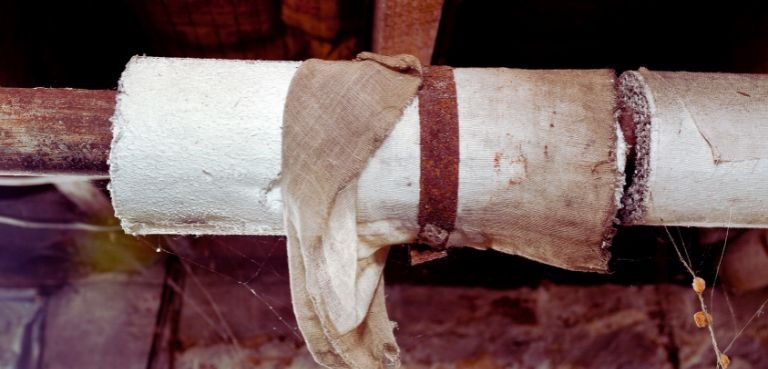
Different jobs need different asbestos training. Knowing the right level keeps workers safe and confident.
Jobs Needing Asbestos Awareness (Category A)
Category A is for people who may come across asbestos but will not work on it. Typical jobs include construction and building workers, electricians, telecoms engineers, and data-cable installers. Also, plumbers, heating and ventilation engineers, carpenters, joiners, roofers, plasterers, painters, and decorators need this training. Maintenance staff, caretakers, and handymen in schools, hospitals, or housing should take it too. Shop-fitters, ceiling installers, and flooring installers also belong here. Awareness training helps workers recognise asbestos, avoid it, and feel safe.
Jobs Needing Non-Licensed Asbestos Training (Category B)
Category B is for workers who will handle small amounts of asbestos in non-licensed or Notifiable Non-Licensed Work. Tradespeople who drill, cut, or remove known asbestos materials fit here. For example, electricians drilling through AIB, plumbers working on asbestos pipe gaskets, and roofers handling asbestos cement sheets. Asbestos surveyors and analysts also need this training plus specialist modules. Some maintenance teams doing small repairs in-house need it too. This training teaches practical skills and how to work safely.
Jobs Needing Licensed Asbestos Training (Category C)
Category C is for high-risk jobs that legally require an HSE licence. This includes asbestos-removal operatives, supervisors, and contract managers in licensed firms. Workers may feel nervous about these tasks, but proper training gives them the skills and confidence to do the job safely.
Duty-to-Manage / Management Training
People who manage asbestos in buildings, like owners, landlords, property managers, or FM/estates managers, need extra training. They learn about asbestos surveys, registers, and management plans. This way, they can keep buildings safe and follow the law.
Final Thoughts on the Different Types of Asbestos Training
Overall, asbestos training is more than just a legal requirement—it is a vital way to protect lives. To begin with, learning about asbestos and its risks helps workers recognise dangerous materials and avoid harm. After that, following proper safety steps, using protective equipment, and handling asbestos correctly keep everyone on site safe. In addition, refresher courses and extra training for supervisors or managers make sure knowledge stays up to date ,and procedures are followed correctly. In the end, the right training not only gives workers confidence but also reduces accidents and ensures workplaces remain safe for everyone.
Frequently Asked Questions (FAQs)
1. How many types of training are there for asbestos?
- There are three types of training for licensed asbestos workers: Asbestos Operative (3 days), Asbestos Supervisor (2 days), and Asbestos Manager (2 days).
2. What is asbestos training?
- Asbestos training teaches workers and supervisors how to stay safe. It shows how to avoid disturbing asbestos in buildings or materials.
3. What is category A training?
- Category A training teaches workers and supervisors the basics of asbestos. It helps them recognise asbestos and stay safe at work.
4. What are the 4 types of asbestos?
- The four main types of asbestos are: Chrysotile (white asbestos), Crocidolite (blue asbestos), Amosite (brown asbestos), and other amphiboles like actinolite, anthophyllite, and tremolite.
5. How to get a P402?
- To get a P402 certificate, you need at least six months’ experience helping with asbestos surveys and prior training in the core skills from HSG248.