No products in the cart.
Workplace accidents can happen in a blink. Every employer must take their responsibilities for the meaning of RIDDOR seriously. These rules help keep everyone safe. You must report certain injuries, illnesses, and dangerous events. In the latest period, about 124 people died in work-related accidents. For example, these were all reported under RIDDOR. Following the rules protects staff and avoids legal problems.
Employers must also keep records of all incidents. They must report serious accidents to the Health and Safety Executive (HSE). Acting quickly and making sure staff know how to report injuries is very important. Checking safety procedures often helps avoid accidents and, therefore, keeps the workplace safe. Because of this, everyone can feel more confident while they are doing their jobs.
In this guide, we explain what needs to be done step by step. This helps you understand how the law works to keep you and your friends out of harm.
What is the Meaning of RIDDOR?
Starting a new job often brings many changes and new things to learn. For instance, you might notice that UK workplaces have very strict safety habits and specific rules. These important habits exist because of a law called RIDDOR. This name stands for the Reporting of Injuries, Diseases and Dangerous Occurrences Regulations. It is a clear guide that tells your boss exactly when to report an accident to the government. Because of this law, every worker can feel more secure while they are at their station.
Furthermore, you should think of this law as a protective net for everyone. Since this law exists, the government can watch over every office and factory to ensure they are safe. It is a legal requirement for every business to follow these steps correctly. Whether you work in a small shop or a big warehouse, these rules are there to keep you healthy and happy.
Why Do We Use RIDDOR in UK Workplaces?
The main goal of these safety rules is to make sure every single worker goes home safely at night. Because of this, we use these regulations for several important reasons in every British business:
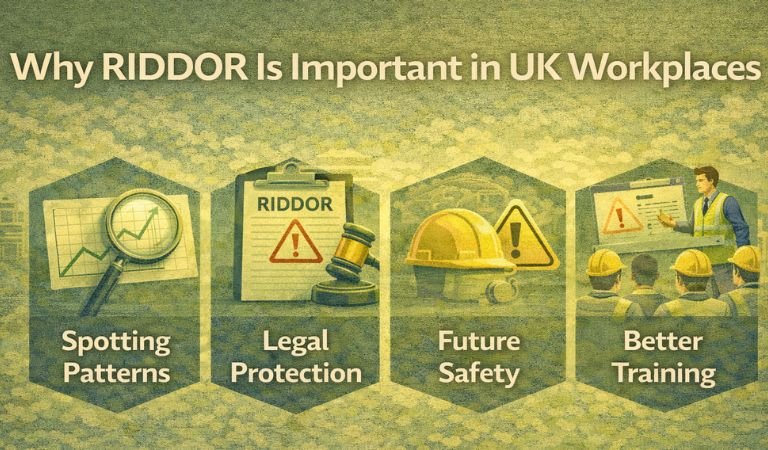
- Spotting Patterns: For example, if many people get hurt the same way, the government can find a way to fix the problem.
- Legal Protection: Furthermore, it ensures that bosses take every accident seriously and do not simply ignore them.
- Future Safety: It also helps experts create new rules to stop others from getting the same painful injury.
- Better Training: Consequently, companies learn how to teach their staff to avoid dangerous mistakes in the future.
Besides these points, there is more to learn about how these rules help every day. The main goals are clear, but safety in the workplace is about more than just a list. For example, the government uses this data to create guides that help small businesses avoid accidents. Also, when a company follows these rules, it shows they care about their staff. This builds trust and makes everyone feel safe at work.
Who is Responsible for Reporting Under RIDDOR Rules?
You should know who handles the forms when an accident happens. Usually, the worker and the boss have different jobs:
- The Boss (Employer): They must fill out the official forms and send them to the government.
- The Worker (You): Your only job is to be honest and tell your manager about the accident immediately.
- Self-Employed People: They are responsible for reporting their own serious accidents if they happen on a job site.
- Legal Protection: In the UK, it is illegal to fire or punish you for reporting an injury.
What Are the Different Types of Reportable Injuries?
While accidents happen, it is important to know that not every tiny scratch needs a big report to the government. In fact, you only need to report “Specified Injuries” to the government. For instance, the law requires an official report if a worker breaks a bone or loses their sight. In addition to these, this rule also includes serious burns, certain organ damage, or any injuries that cause someone to pass out or lose consciousness.
Imagine a worker breaking their arm after slipping on a damp floor to further understand this. Because a bone is broken in this scenario, the boss must tell the government immediately. However, a small bruise or a tiny cut does not usually need a RIDDOR report. Instead, these smaller things are handled differently within the company’s internal logs. Therefore, the severity of the injury is the main factor that decides if the government needs to know.
Furthermore, another important rule involves how much time you miss from your job. If an injury is serious enough to keep you away from your work for more than seven days, it must be reported. In this case, even a very bad back strain might count if it stops you from performing your normal duties. Consequently, understanding the difference between a small bump and a serious concussion is very helpful for your overall safety. Knowing these facts helps you make sure RIDDOR rules are followed correctly if an accident happens.
What Does the Meaning of RIDDOR Include Regarding Occupational Diseases?
Sometimes, work can make you feel sick for a long period. This is why the meaning of RIDDOR also includes health problems that happen slowly.
- Carpal Tunnel Syndrome: This happens from typing or using vibrating tools too much.
- Dermatitis: These are painful skin rashes caused by touching harsh cleaning chemicals.
- Occupational Asthma: This is a breathing problem caused by dust or fumes in a factory.
- Tendonitis: This is a type of joint pain from doing the same motion every day.
What Are “Near Misses”, and Why Do They Matter?
Sometimes, a scary accident almost happens, but luckily, no one gets hurt. In the UK, these are called “near misses”. For example, a heavy box falls from a high shelf but hits the empty floor instead of a person. Even if no one is injured, the boss must still report it.
This is important because the event was very dangerous. If the box had landed just a little to the side, someone could have been badly hurt. Reporting these “near misses” helps the company fix problems before a real accident happens. It is always better to prevent an injury than to treat one later.
How Does the Meaning of RIDDOR Apply to Gas Safety?
Gas safety is a very serious topic in British homes and offices because gas leaks can lead to major disasters. Since gas can cause fires or even silent poisoning, there are special rules in place for it. Therefore, the meaning of RIDDOR also covers specific situations where gas might harm people or damage a building. Consequently, these rules ensure that any dangerous gas problems are handled by experts as quickly as possible.
For instance, a registered gas engineer might visit a building to fix a broken boiler. If they find a leak that could cause an explosion, they are legally required to report it. Furthermore, this report goes to the health and safety authorities right away to prevent any future accidents. Because of this system, everyone in the building stays protected from carbon monoxide or fire. In addition, these rules make sure that faulty equipment is fixed properly before it can hurt anyone. Thus, the reporting process acts as a vital early warning system for every workplace.
What Is the Correct Way to Report an Incident?
If a serious accident happens, there is a clear path to follow. You can follow these four simple steps:
- Get Help: Always get medical help or first aid for the injured person first.
- Inform: Tell the manager or the safety officer about the accident immediately.
- Submit: The manager goes to the official HSE website to fill out a form.
- Record: Write the details in the company accident book for their own records.
By following this sequence, the workplace stays in line with the law. In addition to these steps, it is helpful to take photos of the area where the accident happened. Therefore, the manager will have all the facts ready when they sit down to complete the paperwork. Because everyone knows their role, the entire process runs much more smoothly. Thus, the reporting system works as a team effort to keep the workplace secure for every single person.
What Are the Time Limits for Sending a RIDDOR Report?
The law is very strict about being fast. You cannot wait weeks to tell the government about a serious injury.
Fast Facts on Deadlines:
- Serious Accidents: These must be reported within 10 days of the event.
- Over-Seven-Day Injuries: The boss has 15 days from the day of the accident.
- Diseases: The report must be sent as soon as a doctor confirms the illness.
Can You Get Into Trouble for Not Following RIDDOR?
Hiding an accident is a very bad idea for any UK company because the consequences are extremely serious. Since the Health and Safety Executive can visit any workplace at any time to check the official books, they will eventually find any missing information. For instance, if they find out a boss hid a broken leg or a dangerous fire, the company will face big trouble with the law. In fact, businesses can be fined thousands of pounds for breaking these rules, and some bosses could even lose their licence to operate. For this reason, you should feel confident that the law is on your side and protects your health. Moreover, knowing these rules helps you trust that your workplace is honest and safe every day. Consequently, following the meaning of ‘riddor’ is the only way for a company to stay out of legal trouble.
Is an Accident Book the Same as a RIDDOR Report?
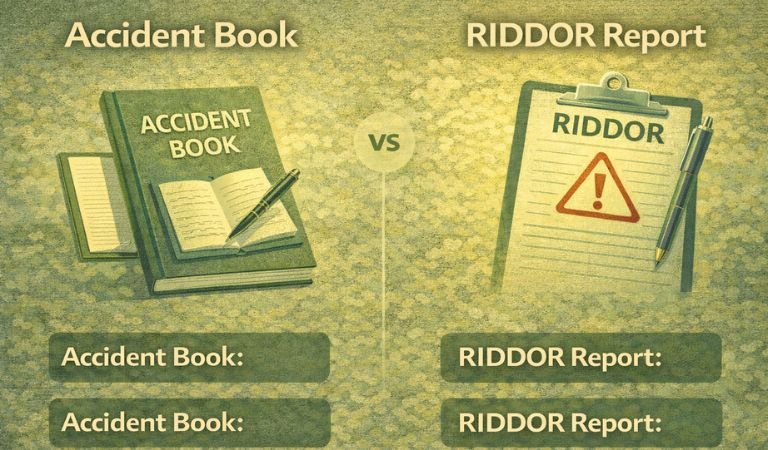
Many people get confused by these two things. However, they are very different.
- Accident Book: This is a private diary kept at your workplace for every small cut.
- RIDDOR Report: This is an official message sent to the government for big problems.
- Accident Book: Every single workplace in the UK must have one of these.
- RIDDOR Report: This is only used for the most serious cases described by the law.
How Do Wise Campus Courses Help You Understand Safety?
Learning about the law can feel difficult if you are new to the country. At Wise Campus, we make it much easier for you to succeed.
- Our courses break down scary legal words into very easy lessons.
- You can watch simple videos that explain exactly what to do.
- Getting a certificate from us shows your boss that you are a safety expert.
- Our website is easy for everyone to use, no matter their level or background.
Would you like to see how our training can help your career? Visit wisecampus.org.uk to start your journey today.
Final Thought
Following RIDDOR rules is not just about following the law. Also, it keeps the workplace secure every single day. Reporting deaths, serious injuries, illnesses, and near misses helps prevent future accidents. Next, keeping clear records makes it much easier to track incidents and learn from mistakes. Therefore, by understanding the meaning of RIDDOR, you contribute to a culture where safety is the top priority.
Finally, acting quickly after an accident can stop even more harm from happening to others. By taking our RIDDOR Training Course, you protect workers, avoid legal trouble, and build a business people can trust.
Frequently Asked Questions (FAQs)
1. When to report to RIDDOR?
You must report to RIDDOR as soon as a work-related accident results in a “specified” injury, such as a broken bone or a fatality. Additionally, you have fifteen days to submit the report if an employee is unable to carry out their regular responsibilities for more than seven days in a row. For most other serious incidents, the deadline is strictly 10 days. Consequently, reporting quickly ensures you remain legally compliant.
2. What is a RIDDOR in a hospital?
In a hospital, RIDDOR rules cover accidents involving staff, patients, and visitors caused by work activities. This includes things like injuries from infected needles, violence against nurses, or falls due to bad floors. However, these rules usually don’t cover medical mistakes. Because of this, hospitals must tell the difference between general medical risks and workplace accidents that must be reported.
3. How to comply with RIDDOR?
To comply with RIDDOR, employers must have a clear system for identifying, recording, and reporting workplace incidents. First, ensure all accidents are logged in an internal accident book. Then, see if the injury is on the “reportable” list made by the Health and Safety Executive (HSE). Finally, submit the official online form via the HSE website within the required legal timeframe. This process ensures your business stays safe and follows UK law.
4. Who is responsible for RIDDOR reporting?
The legal responsibility for RIDDOR reporting sits with the “responsible person”, which is typically the employer or the person in control of the premises. Workers must tell their managers about accidents right away, but they do not have to fill out the official RIDDOR forms themselves. In addition, self-employed people must report their own accidents if they occur on their own site. Thus, the duty stays with the person running the business.
5. How many points do you get for not reporting an accident?
In the UK, there is no “points system” like a driving licence for safety breaches; instead, the penalties are much more severe. If a company fails to report a RIDDOR incident, it can face unlimited fines from the courts. Furthermore, individuals responsible for the cover-up can face up to two years in prison. Therefore, it is far better to report an accident honestly than to risk a criminal record and heavy financial loss.

RIDDOR Training
Course Description :
- Certificate: Yes(Free)
- Accreditation: CPD Accredited
- Access: Lifetime