No products in the cart.
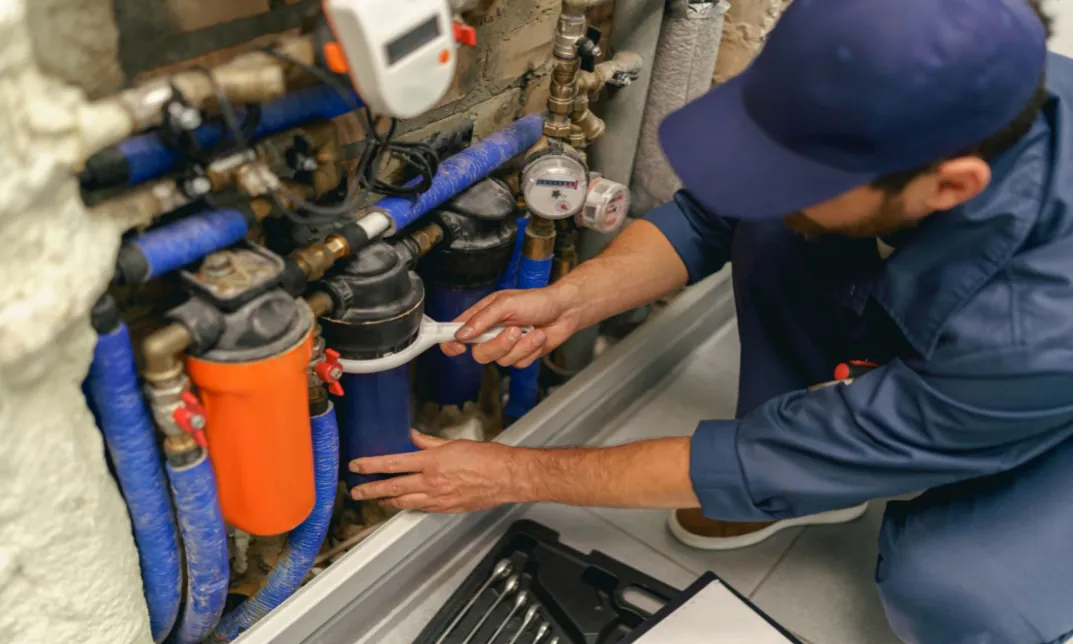
Plumbing is the system that moves water through homes and buildings. It also removes wastewater and supports heating systems. Pipes, taps, drains, toilets and heating equipment all form part of this system. But what does a plumber do to keep it working?
Plumbers install, repair and maintain these systems every day. They fix leaks, fit new pipes and check drainage problems. They also install sinks, showers, toilets and radiators. Plumbers work in homes, businesses and construction sites across the UK. You can enter plumbing through college, an apprenticeship or work-based training.
This guide covers plumber duties, skills, pay, working hours and training routes.
What Does a Plumber Do Every Day?
A plumber’s day can change based on the job and work setting. They often start by checking job sheets, tools and materials. Then, a plumber travels to homes, businesses or building sites. At each job, they inspect the system and find the problem. They measure, cut, bend and join pipes to fit each job.
Plumbers also install sinks, toilets, showers and radiators. They fix leaks, replace parts and clear blocked drains. After repairs, plumbers test the system and check for problems. They also explain the work to customers and answer questions. Emergency call-outs can bring urgent jobs, too. So, each working day can look different.
What Plumbing Systems Do Plumbers Work On?
Water, heat and waste all need the right route. Plumbers build and maintain the plumbing systems that make this possible. They work on hot and cold water, central heating and drainage. Their work also includes boilers, radiators, water tanks, cylinders, waste pipes and soil pipes. Toilets, sinks and showers also need their skills.
Plumbers often handle first fix and second fix work. First fix means fitting hidden pipes, valves and other parts. Second fix means fitting visible items, such as taps and toilets. They also check controls and safety devices. Today, some plumbers install heat pumps and low-carbon heating systems. Good pipework keeps water supply, heating and drainage working smoothly.
Where Do Plumbers Work?
Plumbers work in homes, offices, shops and large building sites. Their work depends on the building and plumbing system. A domestic plumber works mainly in homes and flats. A commercial plumber works in shops, hotels and offices. Others work on industrial sites or run their own plumbing business.
- Homes and flats: Fix leaks, drains, toilets, taps and heating systems.
- Shops and offices: Install and repair water, heating and drainage systems.
- Hotels and hospitals: Maintain plumbing systems used by many people.
- Construction sites: Fit pipework in new homes and large buildings.
- Industrial buildings: Work on larger and more complex plumbing systems.
- Self-employed work: A self-employed plumber travels between different customer jobs.
What Skills Does a Plumber Need?
Plumbers need good plumbing skills to install, repair and test systems. Hand skills help them cut, join and fit pipes. Fault-finding helps them spot leaks, blockages and pressure problems. Basic maths helps with measuring pipes and spaces. Attention to detail also helps prevent mistakes.
Good communication helps plumbers explain problems and repairs clearly. Teamwork helps them work with builders and other trades. Plumbers often work in tight spaces and lift tools or materials. So, they need physical fitness and safe working habits. Technical knowledge and problem-solving skills also help them work safely.
How Much Does a Plumber Earn in the UK?
Plumbers can earn around £24,000 a year when starting out. Experienced plumbers can earn up to £46,000. Our research found an average plumber salary of around £33,881. These figures give a useful guide to plumber pay in the UK. Pay can change with experience, location and the type of work.
Specialist skills in heating, renewables and heat pumps can create more options. Extra training can also help plumbers move into skilled roles. Self-employed plumbers can set their own rates, while employed plumbers usually earn a set salary. Emergency work can also affect earnings.
What Hours Does a Plumber Work?
Plumbers usually work around 37 to 45 hours per week. Their hours can change based on the job and workplace. Many work normal weekdays, while some work evenings, weekends or bank holidays. Construction plumbers often follow site working hours.
Self-employed plumbers can have less fixed schedules. They may plan work around customer bookings. Some plumbers also take emergency call-outs for urgent leaks or heating problems. These jobs can happen outside normal hours. Plumbing can also be physical work. Plumbers often stand, lift tools, bend and work in tight spaces.
What Qualifications Do You Need to Be a Plumber?
You do not need one single qualification to become a plumber. Your route depends on the type of plumbing work you want. You can study at college, train through an apprenticeship or gain workplace experience. Each route helps you build the skills needed for the job.
- Level 2 courses: Teach basic plumbing skills and knowledge.
- Level 3 training: Builds advanced plumbing and heating skills.
- Apprenticeships: Combine paid work with study and training.
- T Levels: Mix classroom learning with workplace experience.
- English and maths: Some courses and apprenticeships have entry rules.
- Work experience: Helps you gain confidence with real plumbing tasks.
The Level 3 Plumbing and Domestic Heating Technician apprenticeship typically lasts 48 months, including a typical 6-month assessment period. A qualification shows what you have learned. Practical work helps you become confident on the job.
How Do You Become a Plumber in the UK?
Becoming a plumber starts with choosing the right training route. You can study at college, join an apprenticeship or take work-based training. Each route helps you learn key plumbing skills and gain practical experience. This gives you a strong base for your plumbing career. Complete your training and practise your skills on real plumbing jobs.
Then, complete the required assessment and prepare for work. Apprentices earn while they learn and spend at least 20% of working hours on training or study. After gaining the right skills and experience, you can apply for plumbing jobs. These routes give you a clear path for how to become a plumber UK or how do I train to be a plumber.
How Long Does It Take to Train as a Plumber?
Training time depends on the route you choose. Short college courses can take a few weeks or months. Level 2 training can also vary in length. Your previous skills and experience can affect the time you need. Apprenticeships take longer as they combine study with paid workplace training.
The Level 3 Plumbing and Domestic Heating Technician apprenticeship typically lasts 48 months. Workplace experience also helps you build real skills and confidence. However, finishing a course does not mean you know everything. Becoming fully competent takes practice and real job experience. So, the time needed can differ from one person to another.
What is Plumbing Certification?
Plumbing certification shows that a plumber has the right training and skills. It can include plumbing qualifications, practical tests and extra training. However, plumbers do not need one certificate for every job. Some types of work need extra training or registration. Construction plumbers might need a CSCS card or a similar card.
Plumbers must also follow water rules when working on water systems. Gas work has separate rules too. Anyone doing domestic gas work must register with the Gas Safe Register. The right training helps plumbers work safely and meet job rules. It also helps employers see that a plumber has the skills needed for the job.
What are the Plumber Job Requirements?
Plumber job requirements can change based on the role and employer. Most jobs need basic plumbing training and some practical experience. You also need good hand skills, safe working habits and the ability to use tools. Good English and Maths can also help with daily tasks.
- Plumbing training: A relevant course or apprenticeship can help you start.
- Practical experience: Real work helps you build confidence and skills.
- Good communication: Helps you speak clearly with customers and workers.
- Safe working: You need to follow safety rules and use tools correctly.
- Physical ability: Plumbers often lift, bend and work in tight spaces.
- Extra requirements: Construction work can require a CSCS card. Gas work needs Gas Safe registration.
What Can a Plumber Become?
Plumbers can move into specialist roles as they gain experience. Extra training can lead to jobs as heating engineers, heat pump engineers or renewable heating installers. Some also move into ventilation, air conditioning or building services engineering. Low-carbon heating and heat pump work can offer new career options.
Other plumbers choose to work for themselves. They can build a customer base and later start their own plumbing business. Good business skills can help with planning jobs, pricing work and managing customers. Experienced plumbers can also become trainers or assessors. So, plumbing can offer different career paths as your skills grow.
Final Thoughts
From fixing leaks to installing heating systems, plumbers keep buildings working well. Understanding what does a plumber do shows the wide range of work they handle. Their duties include installation, repairs, heating, drainage and maintenance.
If you are exploring how to become a plumber UK, you can choose college, an apprenticeship or work-based training. Practical skills and experience help you grow in the trade. Extra plumbing certification and training can lead to specialist roles or your own plumbing business.
Build your plumbing knowledge from home with our Professional Online Plumbing Course.
FAQs about What Does a Plumber Do
1. What is the main role of a plumber?
- A plumber installs, repairs and maintains water, heating and drainage systems. They also find and fix leaks, blockages and other problems.
2. Why are plumbers so highly paid?
- Plumbers need practical skills and proper training to do their work safely. Experienced plumbers can earn more, especially in specialist or self-employed roles.
3. What is the most common job for a plumber?
- Fixing leaks, installing pipes and repairing plumbing systems are common jobs. Plumbers also work on toilets, sinks, heating systems and drains.
4. Can I be a plumber without GCSEs?
- Yes, you can enter plumbing through different training routes. Some courses and apprenticeships have their own English and maths entry rules.
5. Is a plumber a well-paid job?
- Plumbing can offer good pay, especially with more skills and experience. Self-employed plumbers can also set their own rates and take on more work.
6. How hard is it to become a plumber in the UK?
- Training takes time and requires practical skills, but you have several routes. College courses, apprenticeships and work-based training can all help you start.
Professional Online Plumbing Course
Course Description :
- Certificate: Yes(Free)
- Accreditation: CPD Accredited
- Access: Lifetime