No products in the cart.
Imagine a busy workplace where accidents can happen anytime. Firstly, RIDDOR (Reporting of Injuries, Diseases and Dangerous Occurrences Regulations) is a UK law. It makes employers report certain workplace deaths, serious injuries, diseases, and “near-miss” incidents to the Health and Safety Executive (HSE). These rules are important. They help find risks, check them, and make work safer. For example, according to the Labour Force Survey, about 680,000 workers get work‑related injuries, much more than the number reported under RIDDOR. That is because RIDDOR only counts serious cases. Therefore, what does RIDDOR do in practice? It makes sure serious incidents are reported and recorded to prevent harm in the future.
Now, let’s take a closer look at RIDDOR and what it really means.
What is RIDDOR and why does it matter?
Have you ever wondered what happens after a serious accident at work? Well, that is where RIDDOR helps. In short, it makes employers report work-related deaths, serious injuries, work illnesses, and dangerous near-miss incidents. This way, the Health and Safety Executive (HSE) can spot risks, check accidents, and keep workplaces safe.
Why RIDDOR is Important
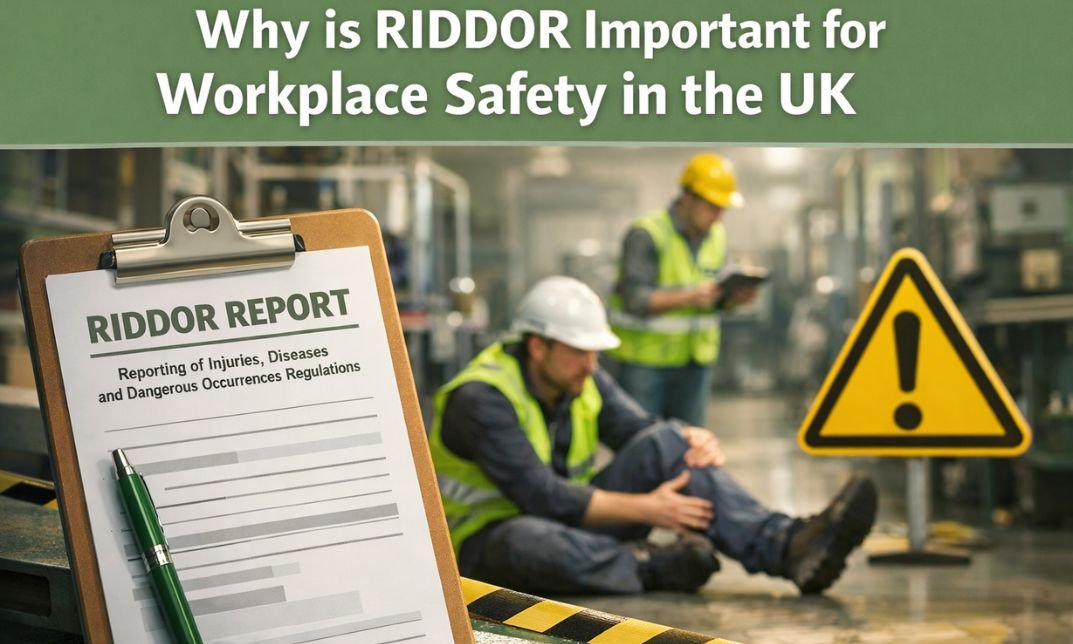
RIDDOR is important because it keeps workplaces safe. Firstly, reports show patterns in accidents. This helps stop the same accidents from happening again. Also, it makes sure employers follow the law. They provide safety equipment and protect their staff. In addition, RIDDOR gives the HSE correct information. This helps improve safety rules and prevent accidents in other workplaces. Moreover, it protects workers by spotting dangerous situations early. This can include unsafe machines or harmful chemicals before anyone gets hurt.
What Must Be Reported
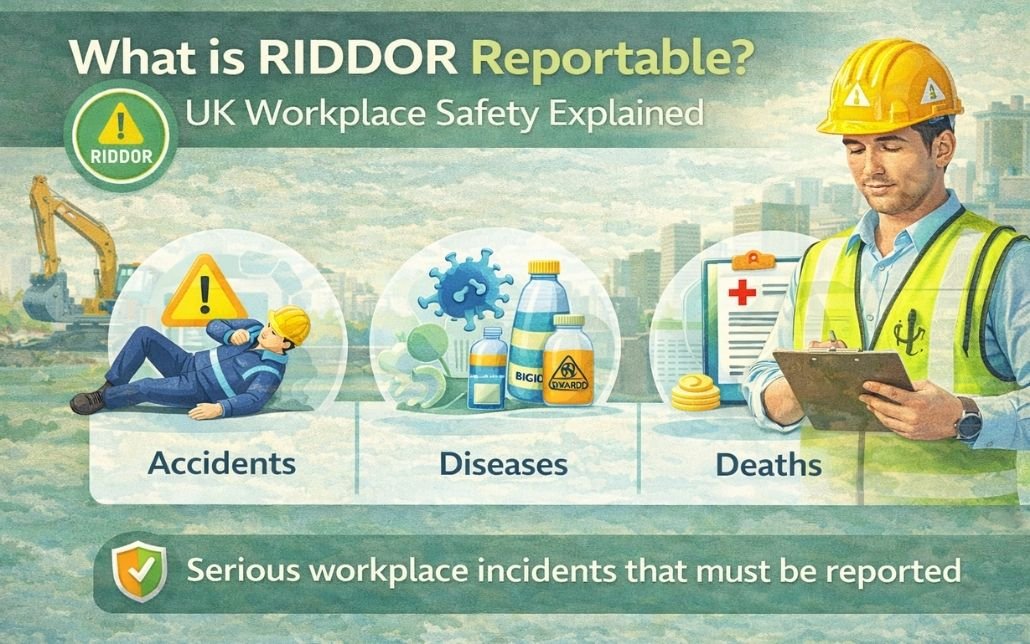
RIDDOR requires reporting of:
- Deaths: Any work-related death, including from violence.
- Serious Injuries: Fractures (not fingers or toes), amputations, loss of sight, or severe burns.
- Injuries Over Seven Days: Accidents stopping a worker from normal duties for more than seven days.
- Work-Related Diseases: Illnesses caused by work, such as carpal tunnel, asthma, or skin problems.
- Dangerous Occurrences: Near-misses that could cause serious harm. For example, scaffolding collapse, equipment explosions, or accidental chemical releases.
What Does RIDDOR Do
Imagine a worker slipping on a wet floor or a scaffold falling at a construction site. First, this is where RIDDOR helps. Basically, it tells employers and people in charge of workplaces to report serious accidents, work illnesses, and near-misses. Also, RIDDOR helps see patterns in accidents. In addition, it makes sure serious incidents are checked. Therefore, employers act quickly to stop harm and keep workers safe.
Key Functions of RIDDOR
- Mandatory Reporting: Employers must report deaths and serious injuries. This includes broken bones or amputations. They must also report injuries that stop work for more than seven days. Then, dangerous near-misses must be reported, like scaffold collapse, gas leaks, or broken equipment. This way, authorities can act and stop similar accidents.
- Recording Injuries: Employers must write down reportable accidents. This helps find patterns and stop accidents in the future.
- Compliance and Safety: RIDDOR makes sure serious accidents are reported. Moreover, HSE and local authorities can improve safety rules and prevent accidents from happening again.
- Protect Workers: Reporting incidents keeps workers safe. Furthermore, workplaces become more careful and responsible.
- Improve Safety Rules: RIDDOR data helps authorities make better safety rules. Finally, it helps keep everyone safe at work.
What Types of Incidents Does RIDDOR Cover
RIDDOR covers work accidents that cause death. RIDDOR also includes serious injuries. For example, it covers injuries that stop work for more than seven days. It reports dangerous near-misses, work-related diseases, and some gas accidents. Basically, it helps authorities track risks and prevent future accidents.
Key Incident Categories Covered by RIDDOR
- Death: All deaths of workers or non-workers caused by work accidents must be reported.
- Serious Injuries to Workers: Broken bones (not fingers or toes), amputations, crush injuries, and serious burns.
- Other Injuries: Loss of consciousness, scalp laceration, or rescue from enclosed spaces.
- Over-7-Day Injuries: Accidents that stop a person from normal work for more than seven days.
- Non-Fatal Injuries to Non-Workers: Anyone not at work needing hospital treatment after a work accident.
- Occupational Diseases: Work illnesses like carpal tunnel, asthma, dermatitis, or some cancers.
- Dangerous Occurrences (Near Misses): Incidents that could have caused serious harm, like scaffold collapse, lifting equipment failure or chemical spills.
- Gas Incidents: Gas leaks, incomplete combustion, or unsafe removal of gas products reported by registered Gas Safe engineers.
- Why It Matters: Reporting helps HSE find accident patterns, improve safety rules, and prevent similar accidents.
What Are the Responsibilities for RIDDOR Reporting?
Have you ever wondered who must report accidents at work? RIDDOR makes certain people responsible for reporting serious injuries, deaths, and work-related illnesses. This keeps workplaces safer for everyone.
Key Responsibilities for Reporting
Employers must report incidents involving their employees. Also, they must report accidents involving the public or others if they happen on their premises during work. Self-employed people must report accidents linked to their work, especially if they control the workplace. In addition, they must follow the same rules as employers. People in charge of premises, like owners or managers, must report accidents that happen on their property. Therefore, they are responsible even if the worker is not their employee. Employment agencies are often treated as the legal employer of agency workers. As a result, they must report accidents for these workers, but rules can sometimes vary.
How Do You Report an Incident with RIDDOR?
Have you ever seen a serious accident at work and wondered what happens next? First, RIDDOR makes certain people report it to the Health and Safety Executive (HSE). Mostly, this is done online for injuries, work-related illnesses, or dangerous near-misses. However, for very serious cases, like deaths or major injuries, you can call 0345 300 9923 (Monday–Friday, 8.30 am–5 pm). Next, reports should be sent quickly, depending on the type of incident.
Key Steps for Reporting
- Online Reporting: Fill out the HSE online form for most accidents, diseases, or near-misses. Then, submit all details clearly.
- Telephone Reporting: Use the phone for deaths or serious injuries. Also, give all important information about the incident.
- Information to Give: Include who was injured, the date and time, the location, and what happened. In addition, mention the cause if known.
- Deadlines: Fatal or serious injuries must be reported immediately. Injuries stopping work for over seven days must be reported within 15 days. Occupational diseases should be reported as soon as confirmed.
- Who Reports: Employers, self-employed people, or those in charge of the workplace must report incidents. Finally, this helps the HSE investigate and prevent future accidents.
How Does RIDDOR Affect Employees and Employers?
RIDDOR helps both workers and employers in many ways. First, it keeps employees safe. When accidents or near-misses are reported, employers can check the cause, fix dangers quickly, and prevent the same accident from happening again. As a result, workers feel safer, less worried, and more confident at work. Also, knowing that their safety matters makes staff feel respected and valued. Moreover, regular reporting helps employers spot hidden risks before they become serious problems.
Second, RIDDOR guides employers to follow the law. They must report serious accidents, keep clear records, and review workplace risks regularly. In addition, following the rules shows staff and authorities that safety is important. Employers can also use reports to improve training, update safety procedures and prevent similar accidents. Furthermore, proper reporting provides evidence that the company cares about safety and takes responsibilities seriously. Finally, it helps avoid fines or legal problems, which reduces stress for everyone.
Overall, RIDDOR makes workplaces safer. Consequently, when everyone works together, accidents happen less often, and people feel valued and protected. Therefore, reporting incidents on time strengthens trust between employees and management.
What Are the Benefits of RIDDOR Reporting?
Reporting under RIDDOR has many benefits for workers and employers. First, it helps make workplaces safer. When employers report accidents and near-misses, they can find dangers early and fix them quickly. Also, it shows staff that their safety matters. As a result, workers feel valued and more confident at work.
Second, RIDDOR gives legal protection to employers. Following the rules helps companies avoid fines or legal trouble from the Health and Safety Executive. Also, proper reporting shows that a business cares about safety. Then, it gives useful information for planning and improving training. Employers can use this to update safety rules and stop similar accidents. Finally, regular reporting builds trust between staff and management. Overall, RIDDOR reporting keeps people safe, lowers risks, and helps create a strong safety culture at work.
How Does RIDDOR Help Prevent Future Accidents?
RIDDOR helps workplaces stay safe by tracking accidents, injuries, and dangerous events. This allows employers and authorities to find risks and stop them before they cause harm.
- Identification of Patterns: Collecting data on injuries and dangerous events helps HSE find trends in industries.
- Actionable Investigations: Reporting lets HSE or local authorities check serious incidents and find root causes.
- Highlighting Near Misses: Dangerous events that did not cause injury must also be reported. This helps employers fix hidden risks.
- Improved Risk Assessments: Employers review and update risk assessments and safety rules based on real incidents.
- Legal Accountability: Reporting ensures employers take health and safety seriously and follow the law.
- Long-Term Safety: Keeping records for at least three years helps employers study accidents. Then, they can make workplaces safer over time.
How Do Employers Report Under RIDDOR?
Reporting under RIDDOR is not difficult. First, it helps keep everyone at work safe. Also, it shows staff that their safety is important. Reporting accidents or dangerous events can prevent serious injuries in the future.
Step-by-Step Reporting Process
- Identify the Incident: Check if the event falls under RIDDOR rules. This includes serious injuries, work-related illnesses, deaths, or dangerous near-misses. For example, a broken bone from a fall or a near-miss with machinery must be reported.
- Collect Information: Write down key details about the incident. Include who was involved, what happened and where it happened. Also, explain how it happened.This helps make the report accurate and prevent similar accidents.
- Submit the Report: Use the official HSE online form to send the report. Also, for very serious cases like a death, you can call HSE directly. Then, include all details, such as witnesses and equipment involved.
- Keep Records: Save a copy of the report and any notes or documents. This helps track safety issues over time and shows authorities that you follow the law.
What Common Mistakes to Avoid with RIDDOR
Many mistakes happen when people do not fully understand RIDDOR rules. As a result, this can lead to missed reports, late submissions, or poor record-keeping.
Misunderstanding Reportable Incidents: Many mistakes happen when people do not know what to report. Serious injuries, like broken bones, amputations, or burns, must be reported. Also, near-misses, like scaffold collapses or electrical faults, must be reported. In addition, work-related illnesses, like carpal tunnel or asthma, must be reported.
Procedural and Timing Mistakes: Some mistakes happen when reports are late or done incorrectly. Most accidents must be reported within 10 days. Injuries stopping work for over seven days must be reported within 15 days. Writing only in the accident book is not enough. Furthermore, small injuries or visitor accidents that need hospital treatment must be reported.
Documentation and Training Errors: Mistakes can also happen when records or training are poor. Employers must keep accurate records of all incidents for at least three years. Moreover, managers and supervisors must know what needs reporting. Without training, reports can be late or wrong. Every report should include the type of injury, where it happened, and what work was being done. Therefore, missing information makes reports less useful.
Incorrect Assumptions: Some people think self-employed workers do not need to report accidents. This is wrong. They must report accidents on their work sites. Another mistake is thinking only obvious accidents count. For example, accidents during work travel or caused by work rules must be reported. Also, these must be reported even if they look like normal traffic accidents. Finally, following all rules carefully prevents mistakes and keeps everyone safe.
Final Thought: What does Riddor do?
Think about your workplace. Accidents can happen anytime. That is why RIDDOR is important. It makes sure serious injuries, work illnesses, and near-misses are reported. Also, these reports help employers see hidden risks. Then, they can take action to stop accidents from happening again. Because of RIDDOR, workplaces become safer and more organised. Workers feel cared for and protected. Finally, keeping records helps improve training and safety rules. RIDDOR is not just paperwork; it helps keep everyone safe at work.
FAQs
1. What is RIDDOR and what do they do?
- RIDDOR is a UK law. It makes employers report serious injuries, work-related illnesses, deaths, and near-misses. This helps HSE prevent future accidents.
2. What is the main purpose of incident reporting?
- The main purpose is to find risks, stop accidents, and make workplaces safer.
3. What happens after a RIDDOR report?
- HSE looks at the report, checks serious incidents, finds patterns, and updates safety rules if needed.
4. What 5 things must be reported to RIDDOR?
- Work-related deaths and serious injuries must be reported. Also, injuries over seven days, work diseases, and near-misses must be reported.
5. How many days is RIDDOR reportable?
- Fatal or major injuries must be reported right away. Also, injuries that stop work for more than seven days must be reported within 15 days. Then, work-related diseases must be reported as soon as they are confirmed.
6. Why should you never admit fault?
- Admitting fault can cause problems in investigations and legal matters. Instead, you should only report the facts.
7. Which is not a reportable incident?
- Minor injuries like small cuts or bruises do not need to be reported. However, they must not stop work for more than seven days.

RIDDOR Training
Course Description :
- Certificate: Yes(Free)
- Accreditation: CPD Accredited
- Access: Lifetime