No products in the cart.
Plumbing a washing machine is an important part of setting it up safely at home. How to plumb in a washing machine is an easy home task when you follow the right order. First, remove the transit bolts from the back of the machine. Then connect the cold water hose to the water supply valve. After that, place the drain hose into a standpipe or sink pipe correctly.
Next, level the machine using a spirit level so it stays stable during use. Finally, check all connections for leaks before turning it on. You only need simple tools like pliers and a spirit level. Most modern machines use a cold-water connection only.
Let’s take a close look at each step in detail and understand how to do it the right way.
What is Plumbing a Washing Machine?
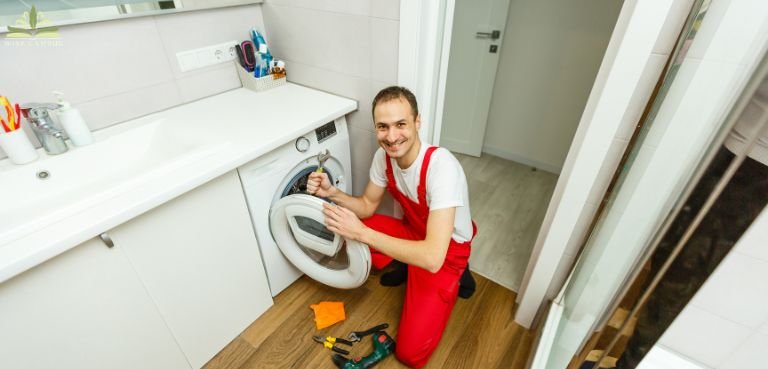
Plumbing a washing machine means you connect it to water, a drain and power. This helps the machine work properly at home. First, you link the water supply so the machine can fill. Then, you attach the drain hose to remove dirty water. After that, you plug it into a safe power socket. So, everything runs in the right order.
Next, this setup makes washing easy and safe. Also, it stops leaks and damage. In simple words, you prepare your machine to work as it should. Finally, good plumbing gives a smooth wash every time you use it.
How to Plumb in a Washing Machine
Place your washing machine near a water tap and a drain. Also, leave some space for the pipe. Connect the water hose to the tap and then to the machine. Tighten it by hand, but do not use tools. After that, turn on the water and check for leaks. Then, fix the drain hose to the waste pipe or sink outlet. Make sure it stays at the right height. This helps water flow out smoothly.
Now, plug the machine into a safe wall socket. Avoid using extension cords. Then, level the machine using its feet so it does not shake. Finally, run a short empty cycle. Check water flow, noise and drainage.
Where Should You Install a Washing Machine?
Choosing the right place makes installation easy and safe. A good location also helps your machine last longer and work better. So, you should plan the spot carefully before starting. Also, check the space size before moving the machine. A well-chosen spot saves time and prevents future problems.
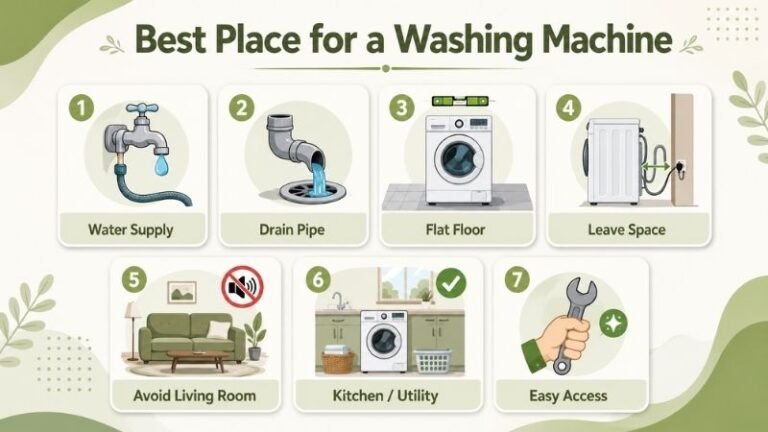
- Place the machine near a water supply for easy connection.
- Keep the machine close to a drainage pipe for smooth water flow.
- Choose a flat and hard floor for stability.
- Leave enough space behind for pipes and cables.
- Avoid living rooms due to noise during spin cycles.
- Pick a kitchen or utility room for best results.
- Ensure easy access for maintenance and cleaning.
Can You Install a Washing Machine Upstairs?
Yes, you can install a washing machine upstairs. But you need to check a few things before you start. Water pressure matters a lot here. It should give a steady flow for proper washing. If the pressure feels weak, the machine may not work well.
Also, check the strength of the floor. It should handle the machine weight easily. A solid floor minimises vibration during spin. Also, make sure the drainage system is proper. A good waste pipe keeps the water flow smooth.
At the same time, avoid long hose runs. They can cause pressure issues. So, plan carefully and stay safe during setup.
How to Prepare Before Plumbing a Washing Machine?
Before you start, get your space ready. Clear the area and make enough room to move easily. Then, place a towel or a cloth on the floor. This helps you handle any small water spills.
After that, turn off the water supply and unplug the power. This keeps everything safe while you work. Also, keep a bucket nearby to catch leftover water from pipes.
Then, check the space behind the machine. Make sure there is enough gap for hoses and cables. Lastly, remove the old machine carefully if one is already there.
Why Should You Remove Transit Bolts First?
Transit bolts keep the washing machine drum locked during transport. You must remove them before using the machine. Otherwise, the drum cannot move freely. This causes strong shaking and loud noise during the spin. Also, it can damage the inner parts quickly.
After that, you may notice the machine jumping or vibrating badly. This is not normal at all. So, removing these bolts protects your machine and keeps it stable. Then, your washer runs smoothly and safely from the first use. Always check the back of the machine before starting. This small step helps you avoid big repair costs later.
How to Position and Level a Washing Machine Correctly?
Setting your washing machine in the right position keeps it stable and safe. It also reduces noise during spin cycles. So, you should always place it on a firm and flat surface. A good setup helps your machine last longer and work better.
- Place the machine on a hard and even floor.
- Check the balance using a spirit level tool.
- Adjust the front and back feet slowly.
- Tighten all locking nuts after adjustment.
- Push the machine slightly to test stability.
- Recheck the level after final placement.
How to Connect a Water Supply to a Washing Machine?
Connecting the water supply is a key step. Start by checking the hose ends carefully. One end fits the machine. The other end connects to the tap. Make sure both ends match tightly. After that, attach the hose by hand. Do not use tools. This helps avoid damage.
Then, check the rubber washer inside the hose. This rubber washer stopped the leak. Also, make sure the hose stays straight. No bends or twists should stay in the pipe. Turn on the water slowly. Watch closely for leaks. If you see water dripping, tighten the connection gently and check again.
How to Connect a Washing Machine to Power Safely?
Start by checking the wall socket before you plug in the machine. Make sure it is dry and works well. Then, place the plug directly into a 13 amp socket. Do not use any extension lead or multi-plug. These can cause danger during use. Also, keep the cable straight and away from water.
Check the connection once again. Press it smoothly and ensure it works. Meanwhile, while handling the plug, keep your hands dry. Finally, turn on the power and test the machine. Watch closely for any unusual sound or issue during start-up.
How To Finalise Washing Machine Position Safely?
First, place the washing machine in its final spot with care. Push it slowly into the space. Make sure you do not rush this step. Check the hoses and power cable as you move it. They should sit freely and not get trapped or bent behind the machine. This helps prevent leaks and damage later.
Next, leave a small gap at the back of the machine. This helps air move and keeps pipes safe. Then press the machine lightly. Check if it feels steady on the floor. It should not move, wobble or shake. If it is not stable, adjust its position again. A firm and balanced machine works better and stays safe for a long time.
How to Test a Washing Machine After Installation?
First, run an empty wash cycle. This helps you check if the machine works properly. Next, watch the water as it fills. It should flow in smoothly, with no leaks around the pipe.
Listen while the machine runs. If you hear odd sounds, something may be wrong. Next, check the drain. Water should go out of the drum quickly and smoothly. It should not stay inside.
Then look at the floor around the machine. Make sure there is no water leaking anywhere. Finally, open the door and check the machine’s stability. It should stay steady without shaking. If everything feels normal, your setup is safe and working well.
What are the Most Common Washing Machine Installation Mistakes?
Many people rush during installation. This creates small issues that later become big problems. So, you should learn common mistakes before starting. A careful setup always saves time and money.
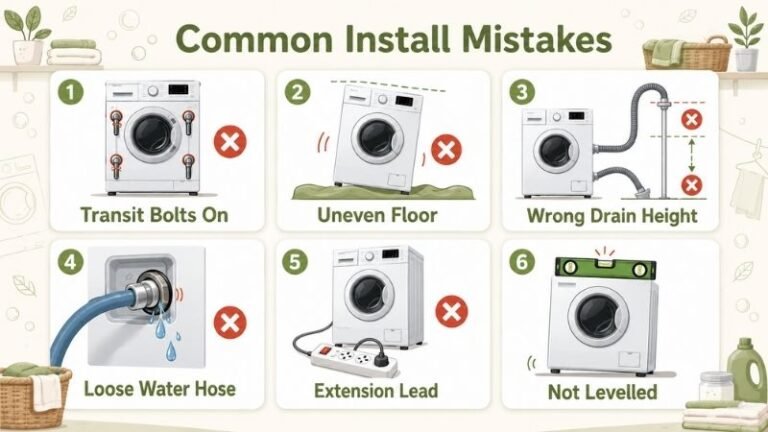
- Forgetting to remove transit bolts before starting the machine.
- Placing a washing machine on uneven or soft flooring.
- Connecting the drain hose at the incorrect height level.
- Leaving the water hose loose without a proper tight connection.
- Using extension leads for the washing machine power supply.
- Skipping proper levelling before final machine placement.
How Long Does It Take to Plumb in a Washing Machine?
Plumbing a washing machine does not take too long. Most people finish it within one to three hours. Time depends on your setup and tools. If everything is ready, the job moves faster.
A simple installation takes about 60 to 90 minutes. You connect water, drain and power one by one. Then you level the machine and check for leaks. However, removing an old machine may take extra time.
If pipes already exist, the work becomes quicker. On the other hand, new pipe fittings can slow things down. After setup, you run a test cycle to confirm everything works well.
How Much Does It Cost to Install a Washing Machine in the UK?
Installing a washing machine in the UK does not cost the same everywhere. It depends on the job type and setup. Prices can change by location and extra work needed. So, always check your setup before hiring anyone.
- £20 to £50 for basic store installation.
- £30 to £80 for a simple plumber installation.
- £60 to £120 for a call-out or standard fitting service.
- £100 to £200 for a complex setup with new pipework.
- £80 to £130 for built-in washing machine installation.
When Should You Call a Professional Plumber?
Call a plumber when the job feels too tricky to handle on your own. Simple fixes are fine, but some problems need expert hands. If your water pressure stays very low, it’s better to get help. The same goes if your home has no proper pipe connection.
A plumber can fix the problem in a safe way. Sometimes the drain looks fine on the outside, but the real issue is hidden. In that case, a plumber can find it quickly. Also, be careful when water is near electric sockets. It can be very dangerous. A plumber knows how to handle this safely.
Final Thoughts
How to plumb in a washing machine starts with the right setup. You connect the water pipe, drain hose and power socket carefully. Then you check every joint for a tight fit. Also, you place the machine on a flat floor. After that, you test it with an empty wash. This ensures smooth and safe use.
Ready to learn plumbing the professional way online? Join our Professional Online Plumbing Course.
FAQs on How to Plumb in a Washing Machine
1. How to connect a washing machine to a pipe?
- You connect the inlet hose to a water tap and tighten it firmly by hand.
2. How are washing machines plumbed in?
- Washing machines are plumbed by linking the water supply, the drain pipe and a power socket.
3. Do I need a plumber to install a washing machine?
- You do not always need a plumber, but complex setups or low-pressure needs expert help.
4. How to plumb a washing machine to trap?
- You connect the drain hose to a U-bend trap or standpipe for safe wastewater flow.
5. Can you plumb in a washing machine yourself?
- You can do it yourself if you follow the steps carefully.
Professional Online Plumbing Course
Course Description :
- Certificate: Yes(Free)
- Accreditation: CPD Accredited
- Access: Lifetime