No products in the cart.
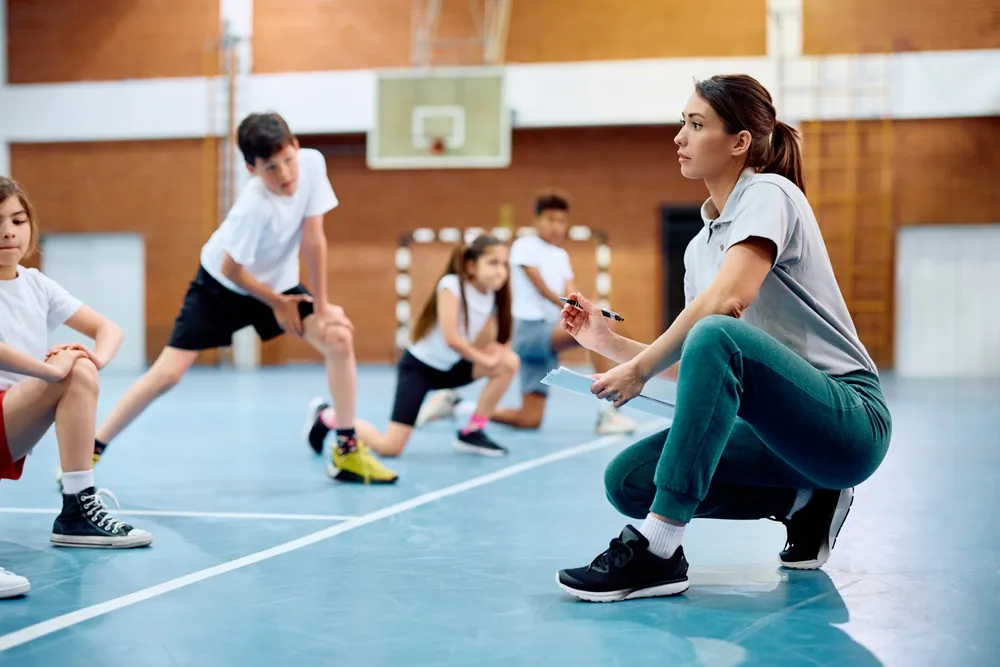
What is a sports coach and why does this role matter today? A sports coach trains players and builds strong team habits. They also improve fitness, focus and game performance. Many coaches work with schools, clubs and local sports teams.
At the same time, coaches guide players during practice and matches. Coaches plan training sessions and teach important sports skills. In addition, they support players during wins and difficult moments. Good coaches help athletes grow with confidence and discipline.
Let’s take a closer look at how sports coaches shape players, develop skills, and build strong teams.
What is the Definition of Coaching Sports?
Coaching sports means helping players improve their skills, fitness and teamwork. A sports coach teaches athletes how to train and play better. They also guide players during practice sessions and matches. In many cases, coaches help players stay focused and confident.
At the same time, coaching is more than teaching sports rules. Coaches motivate players and build a positive team spirit. They also plan training activities for different age groups and skill levels. Because of this, players learn discipline, communication and respect. Good coaching helps athletes enjoy sports while improving step by step. As a result, players grow stronger both on and off the field.
What is a Sports Coach in the UK?
A sports coach in the UK trains players and helps teams perform better. They teach skills, improve fitness and build confidence. Most coaches work with schools, sports clubs, gyms or community teams. Some coaches also train professional athletes.
In addition, sports coaches plan practice sessions and prepare players for matches. They watch the performance and give helpful advice during training. At the same time, they motivate players and create a positive team environment.
Good coaches also teach teamwork, discipline and respect. Many sports in the UK need qualified coaches. Football, cricket, rugby and athletics all depend on skilled coaching. As a result, sports coaching remains an important career across the UK.
What is the Role of a Sports Coach?
A sports coach helps players learn and improve their game. Coaches teach skills like passing, running and teamwork. They also plan training sessions to build strength and fitness. In addition, they watch players during practice and give simple feedback. This helps athletes fix mistakes quickly.
Moreover, coaches support players during matches and guide them with clear instructions. Coaches also build team spirit and keep everyone motivated. As a result, players gain confidence and perform better. Finally, a good coach stays patient and listens to each player. This creates a positive learning space for everyone in the team.
What are the Responsibilities of a Sports Coach Daily?
Sports coaches handle many tasks during the day. They help players learn new skills and stay active. At the same time, they guide teams during training and matches. Good coaches also build confidence and strong teamwork habits. In addition, coaches keep training sessions safe, organised and enjoyable for everyone.
- Training Sessions: Sports coaches plan daily practice and skill activities.
- Player Support: Help players grow confidence and improve performance.
- Match Preparation: Explain game plans and prepare teams before matches.
- Fitness Coaching: Guide warm-ups and safe exercise routines carefully.
- Team Discipline: Teach respect, teamwork and positive sports behaviour.
- Performance Checks: Watch progress and give simple improvement advice.
- Equipment Setup: Prepare sports kits and training equipment before practice.
- Communication: Regularly speak with parents, clubs and school staff.
What is a Sports Coach Doing to Help New Teams?
A sports coach helps new teams grow with proper training and clear direction. First, the coach teaches basic rules and simple game skills. Then, he helps players understand teamwork and communication. Coaches also build confidence through daily practice and support. As a result, new players feel more comfortable during matches and training sessions.
In addition, coaches create training plans for better fitness and performance. They watch each player closely and give helpful advice. At the same time, they solve team problems and keep everyone motivated. Good coaches also teach discipline, respect and positive behaviour. Because of this, new teams improve faster and work better together.
What Makes a Good Sports Coach for Young Kids?
A good sports coach for young kids starts with patience. Kids learn at different speeds. So, a coach must stay calm and kind. Coaches should explain things in simple steps. This helps children understand easily. Also, a good coach makes practice fun. Games and small activities keep kids excited.
Next, communication matters a lot. A coach should listen to kids and encourage them. This builds trust and confidence. In addition, safety always comes first. Coaches must watch every child closely during training. Finally, a great coach leads by example. Coaches show respect, teamwork and discipline. Kids copy what they see. So, good behaviour from the coach shapes young players in a strong way.
If you want to learn deeper coaching qualities, read our guide on What Makes a Great Coach in Sport?
What Makes a Great Coach in Sport at a High Level?
A great coach at a high level builds strong trust with players. First, they communicate clearly and simply so everyone understands the plan. They also listen carefully and respect each player’s ideas. As a result, the team feels valued and motivated.
In addition, a great coach stays calm under pressure. Coaches make smart decisions during tough moments in a match. Moreover, they focus on both skill and mindset, not just winning. They push players to improve step by step.
Finally, they lead by example in attitude and discipline. They stay consistent in training and expectations. Because of this, players grow with confidence and stay committed to the team goals.
What Equipment Does a Leader Bring to the Field?
A leader on the field brings the right tools to guide the team well. First, they carry a whistle to control the game and get attention fast. Next, they use a stopwatch to track time during drills and matches. Also, they keep a notebook to write down plans, scores and player notes. In addition, they bring cones and markers to set up training areas quickly. Sometimes, they use a clipboard for easy planning on the go.
Moreover, careful leaders carry basic first aid items for small injuries. A leader also brings clear communication tools like hand signals. Most importantly, they bring confidence and focus. These simple things help them run smooth training and keep players safe and organised.
What Skills Do These Leaders Use Every Single Day?
A sports coach uses many skills every single day. These skills help them train players and build strong teams. They also help players improve step by step. Most of these skills work together during practice and matches. Good coaches use them simply and smartly.
- Communication: Helps them explain drills in simple words so players understand fast.
- Leadership: Allows them to guide the team with calm control during training and matches.
- Planning: Helps them set daily goals and organise each session in a clear way.
- Motivation: Lifts player energy during tough and challenging moments.
- Observation: Let’s them spot mistakes and correct them at the right time.
- Problem-solving: Supports them during injuries, pressure and game changes.
- Patience: Keeps them steady as they repeat lessons until every player improves.
What Happens During a Big Match on the Weekend?
On a big match day, the coach starts early. First, they check the team lineup and plan the strategy. Then, they meet players and give clear instructions. They also focus on team spirit and confidence.
Next, during the match, the coach watches every move closely. Coaches shout quick advice from the sideline. In addition, they adjust tactics when things change. For example, coaches may switch players or formations.
After that, coaches keep the team focused until the final whistle. Coaches talk with players after the game. Also, coaches discuss what went well and what needs improvement. This helps the team learn and grow for the next match.
How Much Money Does a Sports Coach Make in the UK?
A sports coach in the UK earns different pay based on skill and level. On average, they earn around £30,000 to £32,500 per year. This gives a fair idea of normal earnings in the field. Entry-level coaches usually start between £18,000 and £26,000 each year. These roles often focus on schools, local clubs and beginner training.
In contrast, experienced coaches earn much more. Top-level or elite coaches can make £50,000 to £90,000 or even higher. Overall, pay grows with experience, qualifications and the level of sport.
What Path Can You Take to Become a Coach?
To become a coach, you can follow a simple and clear path. First, start playing sports at school or in a club. This helps you understand the game better.
Next, join coaching courses from sports groups or colleges. These courses teach rules, training methods and safety tips. After that, gain real experience. You can help seniors. coaches or work with teams as a volunteer. This builds your confidence. Finally, earn basic coaching certificates. These certificates help you get jobs in schools and sports clubs.
Finally, you keep learning and improving your coaching style. In addition, you can specialise in one sport. This helps you grow your career faster and become a trusted coach.
Final Thoughts
In the end, understanding what is a sports coach in detail helps us see their real value. They train players, build skills and guide teams to improve. In addition, they support confidence and discipline in sports. A sports coach plays a key role in growth and success. So, this career offers both learning and long-term opportunities.
Looking for a sports coaching course to build your career in sports? Join our Sports Coaching Course and build your skills in a coaching career.
Frequently Asked Questions (FAQs)
1. What does a sport coach do?
- A sports coach trains players, improves skills and guides teams during practice and matches.
2. What is the meaning of sports coach?
- A sports coach is a person who teaches and supports athletes to perform better in sports.
3. What defines you as a coach?
- You are a coach when you guide others, teach skills and help them improve with practice and support.
4. Can coaching help with anxiety?
- Yes, coaching can help reduce anxiety by building confidence and better focus.
5. What is the 3-3-3 rule for anxiety?
- The 3-3-3 rule helps you calm down by naming three things you see, hear and move.
6. What to avoid when coaching?
- Avoid shouting, blaming and ignoring players’ feelings during coaching.
7. When should you not use coaching?
- Do not use coaching in emergencies or when quick medical help is needed.
8. What are 5 warning signs of anxiety?
- Common signs include worry, fast heartbeat, tiredness, restlessness and trouble sleeping.
9. Is ADHD coaching helpful?
- Yes, ADHD coaching helps people stay organised and focused and manage daily tasks better.
10. What exercise is best for anxiety?
- Walking, yoga and light cardio exercises help reduce anxiety and calm the mind.
Sports Coaching Course
Course Description :
- Certificate: Yes(Free)
- Accreditation: CPD Accredited
- Access: Lifetime