No products in the cart.
Every building needs electricity, which makes electricians essential in many industries. This growing need also makes electrical work a useful career choice. But how to become an electrician in the UK? You need the right training, practical experience and recognised qualifications.
You can train through an apprenticeship, college course or experienced worker route. Each route suits different people and career goals. The right route also helps you gain the skills needed for the job. So, choosing the right training path is an important first step.
This guide explains how to train, qualify and start work as an electrician. It also covers costs, pay and career options.
What Does an Electrician Do?
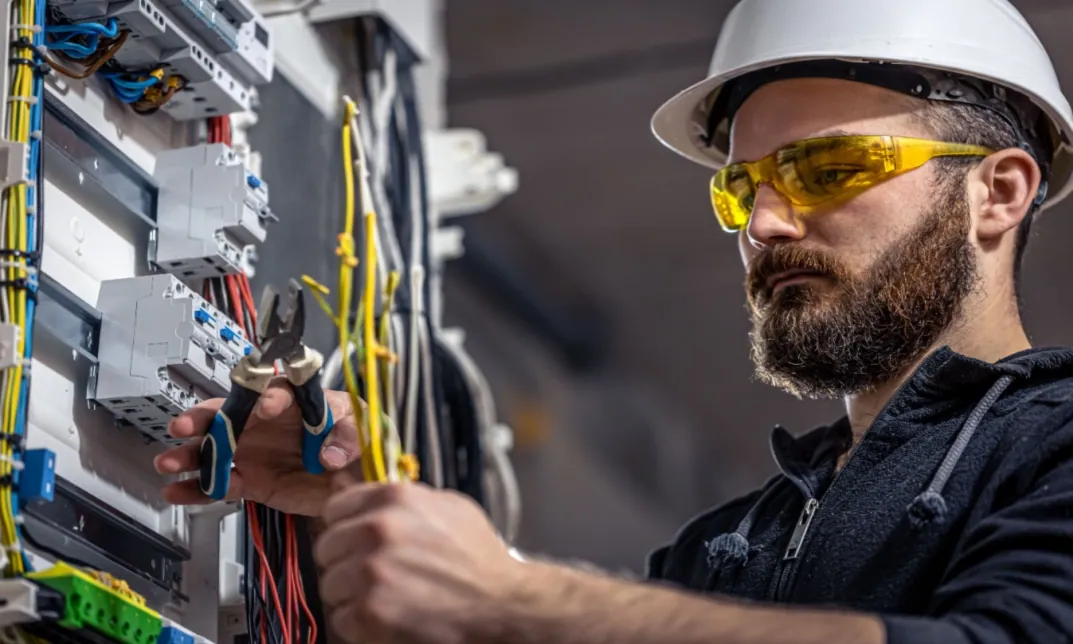
An electrician works with electricity in homes, offices and other buildings. They install, test and fix electrical systems. They also make sure everything works safely. Here are some tasks they often handle:
- Install electrical systems: Put wires, sockets and switches in place.
- Check power: Make sure the system can safely handle new equipment.
- Test systems: Check each part to make sure it works properly.
- Check old systems: Look for faults and spot safety problems.
- Fit smart systems: Set up smart lights, heating and security controls.
- Install green technology: Install EV chargers, solar panels and batteries.
- Fix faults: Find what is wrong and put it right.
How to Become an Electrician in the UK? (5 Easy Steps)
To become an electrician in the UK, you need proper training, work experience and the right qualifications. Your best route depends on your skills, experience and career goals. Here are the main steps:
Step 1: Choose the Right Training Route
Choose an apprenticeship, college course or experienced worker route. Each option gives you a different way to learn electrical skills. Think about your skills, experience, time and career goals. Then, check the course rules and training options. Choose a route that gives you the right skills and work experience.
Step 2: Complete Electrical Training
Take electrical training to learn the skills you need for the job. You will learn about wiring, safety, testing, tools and basic repairs. The training helps you understand how electrical systems work. It also helps you prepare for practical work and tests.
Step 3: Gain Practical Work Experience
Use what you learn on real electrical jobs. Work with an experienced electrician and practise your skills safely. Learn how to use tools, fix simple problems and follow safety rules. This work experience helps you feel more confident and ready for the job.
Step 4: Complete the Required Assessments
Take the tests needed for your chosen electrician qualification. These tests check what you know and how well you can do the work. You may need written tests and practical tests. They also check if you understand basic safety rules. Passing these tests helps you move closer to becoming a qualified electrician.
Step 5: Become a Qualified Electrician
Finish your training and pass the required tests. You can then work as a qualified electrician and gain more experience. As you learn more, you can choose a special area of electrical work. You can also move into senior jobs and take on more work.
How to Train as an Electrician?
There are several ways to train as an electrician, including apprenticeships, college courses and work-based training. Each option helps you learn the skills needed for electrical work. Think about your skills, experience, time and career goals before choosing. Then, pick a route that gives you the right training and practical work experience.
Electrician Apprenticeship
An electrician apprenticeship lets you learn practical skills while earning a wage. You work with an employer and gain real experience alongside your electrical training.
- Who it suits: A great route for people starting a career in electrical work.
- How it works: You train alongside your job and learn skills through real electrical work.
- Earn while learning: You get paid while building practical experience and electrical skills.
College Course
A college course helps you build electrical knowledge before entering the workplace. You learn the basics and practise key skills through hands-on training.
- Electrical courses: Learn wiring, installation, testing and electrical safety.
- Practical training: Build confidence by practising wiring and testing electrical systems.
- After college: Gain workplace experience to strengthen your practical electrical skills.
Experienced Worker Route
Already have electrical experience? You can use your current skills through the experienced worker route. Your past work can help you work towards the skills and assessments needed to become qualified.
- Who it suits: A useful route for people with relevant electrical experience.
- Previous experience: Your past work should cover the skills needed for the role.
- Assessment process: Complete the required assessments to prove your knowledge and practical skills.
What Qualifications Do You Need to Be an Electrician in the UK?
You usually need a recognised electrical qualification and practical experience. A Level 3 electrical qualification covers wiring, installation, testing and safety. You also need practical skills to use your training on real jobs.
Your training can include practical assessments to test your skills. Some routes also require basic maths and English skills. Good safety knowledge is essential for working safely. With the right qualification and experience, you can work towards becoming a qualified electrician.
How to Become a Qualified Electrician?
To become a qualified electrician, you need the right training and work experience. You also need to pass the required tests. You can start with an apprenticeship, college course or work-based route. Your training teaches you how electrical systems work and how to work safely.
Practical work helps you use these skills on real jobs. You then take the tests needed for your chosen route. These check your knowledge and practical skills. After qualifying, an industry card can show your skills and training. With good training and experience, you can build a strong career as an electrician.
How Long Does It Take to Become an Electrician?
It can take around four years to become an electrician. An apprenticeship usually takes about four years. You learn in class and gain skills at work. A college course can take less time for the main training. You still need real work experience before you qualify.
The time depends on your training route and past experience. Experienced workers can take a shorter route if they have useful skills. They might only need more training or some tests. The type of electrical work you choose can also affect the time.
How Much Does It Cost to Become an Electrician in the UK?
The total cost can range from £0 to around £11,000. The amount depends on the training route you choose. An apprenticeship is often a low-cost way to train. Eligible apprentices usually do not pay the training fees. College courses have different costs based on the course and provider.
You should also plan for tools and safety gear. This can include hand tools, work clothes and safety boots. Some courses provide equipment, while others do not. Travel, books, exams and extra training can also add to the cost. Check the full cost before choosing your training route.
What Skills Do You Need to Become an Electrician?
An electrician needs a strong mix of technical skills, maths and safety knowledge. These skills help electricians complete electrical work safely and correctly.
- Electrical knowledge: Understand how to install, maintain and repair wiring and electrical systems.
- Maths and physics: Use basic maths to measure wires and work out voltage, resistance and circuit loads.
- Problem-solving: Use tools and test equipment to find and fix electrical faults.
- Reading plans: Read electrical diagrams and building plans correctly.
- Safety skills: Follow safety rules to prevent electric shocks, burns and fires.
- Hand skills: Work carefully with small wires and tools in tight spaces.
Do You Need an ECS Card to Work as an Electrician?
You do not always need an ECS card to work as an electrician. However, some employers and work sites require one. ECS stands for Electrotechnical Certification Scheme. The card shows your electrical skills, work role and training.
An ECS card is not an electrical qualification. Your qualification proves that you completed the required training and tests. The ECS card gives employers extra proof of your skills. Having both can make it easier to show that you are trained and ready for electrical work.
Can I Become an Electrician Without an Apprenticeship?
Yes, you can become an electrician without an apprenticeship. A college course can teach you the basics of electrical work. You can then get work experience with an electrical company or an experienced electrician.
Work experience is important for any training route. It helps you learn how to use tools and do real jobs. You also learn how to find faults and follow safety rules. With the right training and work experience, you can build a career as an electrician.
Can You Become an Electrician as an Adult?
Yes, you can become an electrician at any age. Many adults choose this career when they want a new job. You can train at college or join an adult apprenticeship. Some courses also offer flexible study options.
Your past work can give you useful skills. You might already know how to use tools or solve problems. You still need proper electrical training and work experience. With the right training, you can start your new career as an electrician.
How Much Do Electricians Earn in the UK?
A full-time electrician earns a median salary of £39,039 a year. This is higher than the UK full-time average of £37,430. Your pay can change with your skills, experience, location and type of work. New electricians often start with lower pay.
Their salary can grow as they gain more skills and work experience. Self-employed electricians can set their own prices and choose their jobs. Some types of electrical work also pay more. Your location can affect your pay too, especially in areas where living costs are higher.
Types of Electrician Careers
Electricians can work in many places. Some work in homes. Others work in shops, offices or factories. You can select a role that fits your skills and interests.
- Domestic electrician: Works on power systems in homes and flats.
- Commercial electrician: Checks and fixes power systems in shops and offices.
- Industrial electrician: Looks after power systems in factories.
- Maintenance electrician: Checks tools and fixes faults.
- Renewable energy electrician: Supplies solar panels and clean energy systems.
- EV charging installer: Fits and checks car charging points.
Career Progression for Electricians
Working as an electrician can open up new career options. As your skills and experience grow, you can take on more responsibility. You can become a senior electrician and handle harder jobs. You can also move into supervisor or site manager roles and lead other workers.
Some electricians move into electrical design and plan systems for homes and buildings. Others choose to work for themselves and pick their own jobs. With enough experience, you can start your own electrical business. This lets you build a team and take on bigger projects.
Common Mistakes When Training as an Electrician
Choosing the right training route can save you time and money. Avoid picking a course without checking its level, content and entry requirements. A short course does not always make you fully qualified. You also need enough workplace experience to build your practical skills.
Do not ignore practical tests or leave them until the last minute. Prepare well and take each assessment seriously. You should also check if employers and industry bodies recognise your course. This step can help you avoid problems when you look for electrical work.
Final Thoughts on How to Become an Electrician
Learning how to become an electrician starts with choosing the right training route. You can train through an apprenticeship, college course or another recognised route. Each option helps you build the knowledge and skills needed for electrical work.
Training alone is not enough. You also need practical workplace experience and the right assessments. Take time to compare courses and check their requirements. Then, choose a route that matches your goals and start building your electrical skills.
Want to take the first step towards an electrical career? Explore our Professional Online Electrician Course and get started today.
FAQs
1. How long does it take to qualify as an electrician?
- It can take around four years through an apprenticeship. College routes can take less time, but you still need practical work experience.
2. Is 25 too old to be an electrician?
- No, 25 is not too old to become an electrician. You can start through an apprenticeship, college course or another suitable training route.
3. Is it possible to become an electrician at 40 years old?
- Yes, you can become an electrician at 40. Adult training and apprenticeships can help you gain the skills and experience you need.
4. What qualifications do I need to be an electrician in the UK?
- You need suitable electrical training, practical experience and the required assessments. The exact qualifications depend on the type of electrical work you want to do.
5. Are electricians well paid in the UK?
- Yes, electricians can earn a good salary in the UK. Pay often increases with experience, extra skills, specialisms and location.
6. Is it hard to become an electrician in the UK?
- Becoming an electrician takes time, training and practical work. However, the right course and regular practice can make the process easier.
Professional Online Electrician Course
Course Description :
- Certificate: Yes(Free)
- Accreditation: CPD Accredited
- Access: Lifetime