No products in the cart.
Plumbing can offer a solid career with good earning potential in the UK. However, your earnings can vary depending on your experience, skills and type of work. Then, how much does plumbing make in real terms? According to our research, the average UK plumber salary is £36,374 per year. The National Careers Service reports a wider range of £24,000 to £46,000.
Location also affects earnings. The figures we found show that London plumbers earn around £39,446 a year. Experienced self-employed plumbers can earn more, although business income differs from a salary. Your pay can also change with your skills, qualifications and type of work.
This guide covers apprenticeships, qualifications, hourly pay and self-employed earnings.
How Much Does Plumbing Make in the UK?
Our research shows that UK plumbers earn around £36,374 a year on average. Another salary range puts plumber earnings between £24,000 and £46,000. These figures give a clear idea of plumber pay across the UK. However, actual pay can change with experience, location and job type.
Employed plumbers usually get a regular salary. Self-employed plumbers can earn more or less based on their jobs, rates and costs. Different data can also give different salary figures. These numbers are estimates, so they do not guarantee your actual earnings.
How Much Does a Plumber Make Per Hour?

Our research shows that a plumber hourly rate can vary by work type and business setup. An employed plumber can earn around £22 per hour. A sole trader can charge around £44 per hour, while a limited company owner can charge about £49.50 per hour. These rates can also change based on the job and location.
The related daily figures are around £176 for employed plumbers, £352 for sole traders and £396 for limited company owners. However, these figures do not mean the same amount goes into your pocket. Self-employed rates must cover tools, travel, insurance, tax and other business costs. Therefore, plumbing wages can differ from the final take-home pay.
How Much Does a Plumber Make in London?
London offers a wide range of pay for plumbers. Experience, skills and work location can affect earnings. Our findings show an average salary of £39,446 per year for plumbers in London. Pay also changes across different parts of the city.
Bromley averages £43,662, while West London averages £42,981. North West London averages £39,833 and Kingston upon Thames averages £39,111. These figures show how pay can differ across London.
How Much Do Plumbers Make at Different Career Stages?
A plumber’s earnings can change as they gain skills and experience. Starting pay is often lower while completing an apprenticeship. After qualifying, plumbers can take on more skilled plumbing work. Earnings can also rise as they build experience and improve their skills.
- Apprentice: An apprentice plumber’s salary can range from £18,500 to £21,000.
- Newly qualified: Earnings can range from £29,000 to £35,000, with another figure at £28,974.
- Experienced: Experienced plumbers can earn around £31,700 to £38,700.
- Employed plumber: Another figure reports earnings of £45,760.
How Much Does a Self-Employed Plumber Make?
A self-employed plumber can earn more by setting their own rates and choosing jobs. Estimates put earnings at £61,600 to £96,000 a year. That works out at around £45 per hour or £350 per day. Another figure puts a sole trader’s earnings at £64,902. These figures show the potential for a strong self-employed plumber salary. However, they do not represent take-home pay.
Running a plumbing business also comes with regular costs. Estimated business costs can reach £8,113, including fuel, tools, insurance, vehicle costs and maintenance. These costs reduce your plumber business income before you pay tax. Your final earnings can also change based on your workload, rates and running costs.
What Can Affect a Plumber’s Salary?
Several factors can affect a plumber’s salary across the UK. Experience, location and the employer can all change pay. London and the South East can offer higher rates. Working hours and the amount of available work also affect earnings.
The type of plumbing work matters too. Commercial work can differ from domestic jobs. Qualifications and specialist skills can help plumbers access more roles. Customer demand and emergency call-outs can also affect rates. This is why two plumbers can earn different amounts in the plumber salary UK market.
Which Plumbing Skills Can Increase Earnings?
Specialist skills can help plumbers access more types of work. Heat pump installation, boiler installation and heating systems can support specialist roles. Experience in gas work can also create more job options. Some plumbers may move into roles such as a heating engineer. The UK’s focus on energy efficiency also creates demand for renewable plumbing skills.
These include solar thermal systems, water recycling, rainwater harvesting and greywater systems. Such skills can support work with advanced plumbing systems. However, specialist rates vary by job and experience. Extra skills can improve job options, but they do not guarantee higher pay.
How Much Can Emergency Plumbers Earn?
Emergency plumbing can offer different earning opportunities from regular plumbing work. Emergency jobs often need a quick response, even outside normal working hours. Call-out fees can also add to the overall cost of a job. However, emergency plumber rates can vary based on several factors.
- Call-out fees: Emergency fees can range from £75 to more than £200.
- Distance: Longer travel can affect the final charge.
- Job complexity: Difficult repairs may require more time and skill.
- Parts: Extra parts can increase the total job cost.
- Time required: Longer repairs can lead to higher charges.
- Unsocial hours: Night and weekend work may have different rates.
What Qualifications Do You Need to Become a Plumber?
An apprenticeship is a common route to become a plumber. The Level 3 Plumbing and Domestic Heating Technician apprenticeship usually takes 48 months. You learn about water, heating and drainage systems. The course also gives you hands-on work experience alongside college learning.
Meeting the required English and maths standards is also part of the apprenticeship. Extra training can help you learn specialist skills. Water regulations training is useful for water system work. Gas work has separate training and safety requirements. You do not need Gas Safe registration for every plumbing job. However, you need the right approval for work involving gas.
What Does a Plumber Do Every Day?
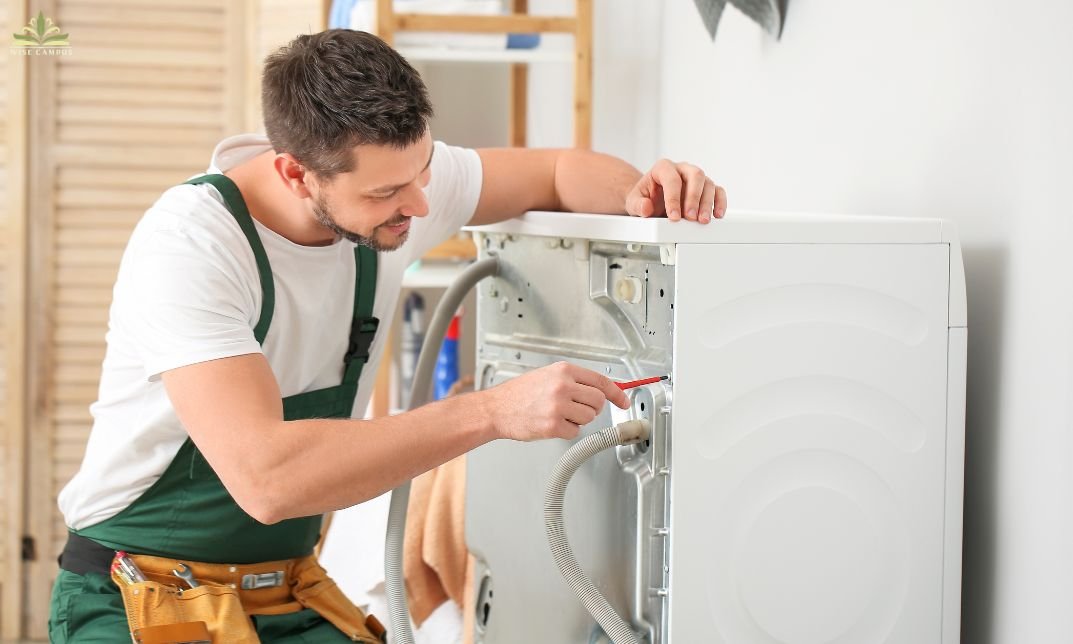
A plumber’s day can look different depending on the job. They install water pipes, repair leaks and replace damaged pipework. They also fit sinks, toilets, baths and showers. Plumbers connect washing machines and dishwashers. They may also maintain heating systems and test plumbing systems for faults.
Plumbers need practical skills for many types of work. This includes knowing how to install a sink plumbing, how to plumb a tub and how to plumb a shower. They may also work with shower trays and understand how to plumb a shower tray. Each job needs care, good planning and the right skills.
How Do Plumbers Work With Modern Plumbing Systems?
Modern plumbing uses different materials and systems to move water safely around homes. Plumbers work with copper and plastic pipework for hot and cold water. They also install central heating, drainage and rainwater systems. Copper is a common answer to what metal is used for pipes in plumbing in houses.
Plumbers also work with smart leak detection and water-saving systems. Their work may include how to plumb in a washing machiYou learn about water, heating and drainage systems. You also gain hands-on experience at work and learn in college.
You also need to meet the English and Math requirements.
ne, how to plumb a washer and how do I plumb in a dishwasher. These modern skills help plumbers handle more jobs and find new career opportunities.
What Rules Do UK Plumbers Need to Follow?
UK plumbers must follow rules that help keep water systems safe and reliable. The Water Supply (Water Fittings) Regulations 1999 cover water fittings and plumbing systems. They help prevent water contamination and reduce unnecessary water waste. Plumbers must make sure their work meets the relevant water regulations.
- Water fittings: Plumbing work must follow the relevant water fitting requirements.
- Water supplier: Some major plumbing work may need notification to the water supplier.
- Safe water: The rules help protect drinking water from contamination.
- Water waste: Proper fittings can help prevent unnecessary water loss.
- Gas work: Gas work has separate safety requirements.
- Gas Safe Register: Businesses doing covered gas work must join the Gas Safe Register.
Where Can Plumbing Lead as a Career?
A plumbing career can grow in many directions. You can start as an apprentice, gain Level 3 skills and build work experience. Later, you can move into specialist plumbing, heating or renewable systems. You can also become self-employed or start your own plumbing company.
With experience, you can move into management, teaching or project management. Other options include advanced engineering, design and planning. Plumber career progression depends on your skills and goals. Plumber managers can start at around £32,000. Different career paths can also create new earning opportunities.
Is Plumbing a Good Career in the UK?
Plumbing offers different earning routes across the UK. Pay can range from £24,000 to £46,000 for employed plumbers. Earnings can vary by experience, location and type of work. Specialist and self-employed routes can also offer different opportunities.
Demand for plumbing services remains strong. One estimate suggests the UK may need 73,700 more plumbers by 2032. Plumbing was also the most searched trade in 44 of 46 UK cities. These figures show demand, not guaranteed work. Your earnings depend on your skills, experience, location and work route.
Final Thoughts
Overall, plumbing can offer steady work and good earning opportunities across the UK. How much does plumbing make change with experience, location, skills and work type. Apprentices usually earn less while they build practical skills. Experienced and self-employed plumbers can earn more. Specialist skills can also open higher-paying work. If you plan to become a plumber, gaining the right training and experience can help you build a strong career.
Want to build your plumbing skills and start your career? Explore our Professional Online Plumbing Course and take the next step towards your plumbing career.
FAQs about How Much Does Plumbing Make
1. Do plumbers earn good money?
- Yes, plumbers can earn good money in the UK. Their income depends on experience, location, skills and the type of work they do.
2. What is the highest paying plumbing job?
- Specialist plumbing jobs can offer higher pay than general plumbing work. Commercial, heating and gas-related work can also pay more.
3. Can plumbers make £100k a year in the UK?
- Yes, some experienced plumbers may earn £100,000 a year. This is more common for successful self-employed plumbers or business owners.
4. How much would a plumber charge for 3 hours work?
- A plumber may charge around £150 to £300 for three hours. The total cost can vary based on the job, location and call-out fee.
5. Who earns more, a plumber or electrician?
- Both plumbers and electricians can earn good money in the UK. Pay depends on experience, location, skills and whether they work for themselves.
6. What are the signs of a good plumber?
- A good plumber arrives on time and explains the work clearly. They also give clear prices, use safe methods and leave the work area clean.
Professional Online Plumbing Course
Course Description :
- Certificate: Yes(Free)
- Accreditation: CPD Accredited
- Access: Lifetime