No products in the cart.
Did you know that over six million people in the UK enjoyed spa treatments in 2022? Many see a massage at the spa as a special treat, but it is much more than that. A professional spa massage can relax your body, ease sore muscles, and calm your mind. It improves blood flow, lowers stress, and leaves you feeling peaceful and refreshed.
Generally, spa massages are ideal for anyone who feels tired or stressed or has aches and pains. They are also perfect for people who need a short break to recharge and tend to their own needs. However, people with skin infections, high blood pressure, or recent injuries should be cautious. Even pregnant clients should only book with a trained prenatal therapist.
Let’s demonstrate all the pros and cons of how a spa massage affects the body and mental well-being. Also, how do you get the most out of it?
Why Spa Massages Matter More Than You Think
Many people think a spa massage is just a treat, but it’s very good for your health. Massage has been used for thousands of years. In India, Ayurveda started around 3000 BCE. People in ancient China, Egypt, and Greece also used massage to help their bodies and minds. Even doctors like Hippocrates said touch could keep people healthy. Back then, massage was part of staying well, not a luxury.
Today, a massage at the spa is done by trained therapists in a calm and quiet space. They use oils and lotions, and many spas in the UK also have extras like steam rooms or relaxation lounges. All of this helps your body unwind and your mind feel calm.
Wellness is becoming more popular across the world. Many people want simple ways to relax and reduce stress. Google Trends shows that searches in the UK for “wellness retreats” and “self-care” are rising. Reports from the NHS also show that more people need help with stress and mental health. Spa massages are perfect because they help your body feel better and your mind feel peaceful at the same time.
What Is a Massage at the Spa?
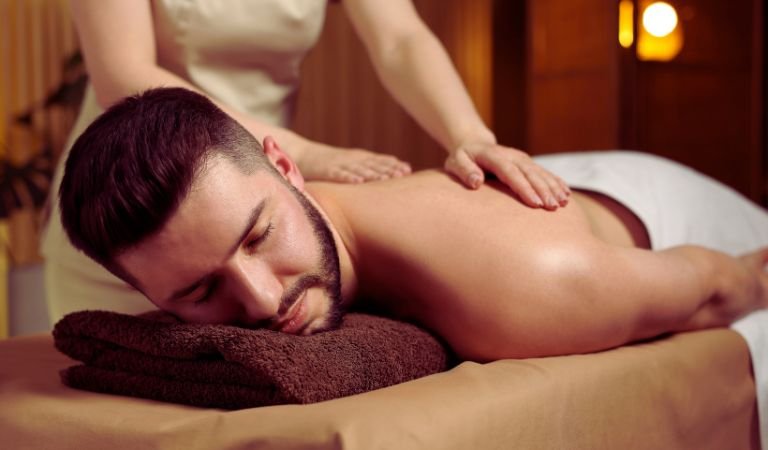
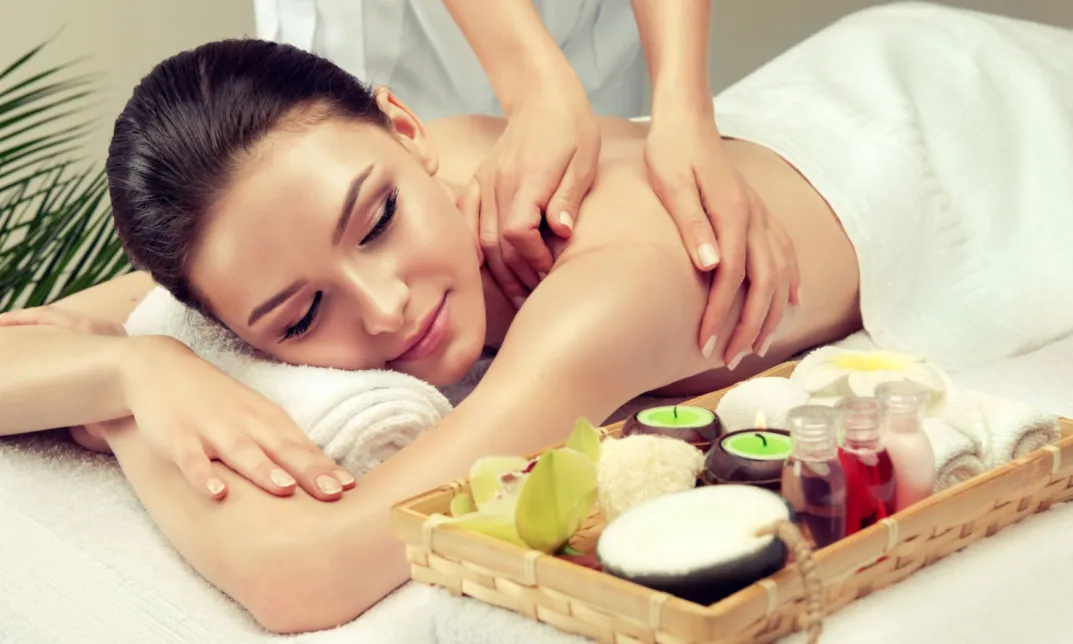
A massage at the spa is more than just lying down and relaxing. It is a professional treatment in a calm, quiet space where trained therapists use oils. And gentle movements to ease tension and relax your muscles. Unlike a massage at home, a spa visit includes soft music, a peaceful room, and expert care. Many UK spas also have extras like steam rooms, quiet lounges, or calming scents to make you feel completely relaxed.
Let’s see what happens during a spa massage! When you arrive, check in and answer a few simple questions about your health or sore spots. You change into a robe and settle into a private room. The therapist explains the massage and adjusts the pressure to feel right. Oils or lotions help the massage feel smooth and soothing. You can also tell the therapist which areas to focus on or avoid, making the session perfect for you.
7 Unexpected Health Benefits of Regular Spa Treatments
A massage at the spa is not just relaxing. It also helps your body and mind in many ways. Here are the 7 most unexpected health benefits of massage at the spa:
1. Stress Reduction
Stress is one of the main reasons people go for a spa massage. It helps your body relax and let go of tension. Massage lowers cortisol, the stress hormone, and raises serotonin and dopamine, which make you feel calm and happy. Even one massage can make you feel lighter and more relaxed. It is especially good for busy people or anyone with tight muscles.
2. Improved Sleep
Many people sleep better after a massage. Slow, steady movements relax your muscles and quiet your mind. This helps your body produce more melatonin, the hormone that controls sleep. As a result, it is easier to fall asleep and stay asleep. Regular spa visits help if you struggle with restless sleep or feel tired from stress.
3. Pain Easing
Massage helps ease pain naturally. The deep tissue or sports massage focuses on tight muscles and sore spots. It boosts blood flow and lowers swelling. Regular sessions can relieve back pain, stiff necks, and tension from sitting or desk work. Over time, your muscles heal faster and your body feels stronger.
4. Skin Health and Repellents
Massage improves blood flow to your skin, bringing oxygen and nutrients to the surface. During processing, some oils are used to soften and hydrate dry areas. Gentle pressure helps your skin make collagen, making it smooth, firm, and glowing. Moreover, it’s an easy way to refresh your body naturally.
5. Increased well-being and enjoyment
The massage calms your body and elevates your mood. The peaceful ambience, soft touch, and soothing scents all help to relieve emotional anxiety. You leave feeling clearer, calmer, and more focused. Regular spa visits act as a reset button for folks who are exhausted or low on energy.
6. Stronger Immune System
Massage improves lymphatic circulation. The lymphatic system removes toxins and fights infections. When it works better, your body becomes stronger and more resilient. This is useful during stress, recovery, or cold seasons when immunity can drop.
7. Detox and Cleansing
Massage helps your body remove waste naturally. The movements boost blood flow and help your organs flush out toxins. You may feel lighter and more energised afterwards. Having plenty of water following a workout helps your body eliminate toxins. It is like hitting the refresh button for your whole system.
What 5 parts of the body are not allowed to be massaged?
Despite all those benefits, you must take care if you have certain conditions. Some people should avoid massage on specific areas, including:
- Acute inflammation or severe bruising – Massage can make these worse.
- Infectious skin conditions – For example, active cold sores or ringworm.
- Areas over malignant tumours – Avoid massaging directly on cancerous growths.
- Severely damaged skin – Such as severe sunburn or unhealed wounds.
- Sites of recent fracture, surgery, or blood clots (DVT) – Massage could cause harm.
Pregnant clients should only receive massage from a trained prenatal therapist.
What type of massage is the most popular?
Choosing the right types of spa massage really matters if you want to feel your best.
Here’s a quick guide to the most popular types:
- Aromatherapy Massage – This combines gentle Swedish-style movements with essential oils. Different oils can help in different ways, such as lavender for calming or peppermint for energy. It’s perfect if you want to calm both mind and body.
- Hot Stone Massage – Here, warm stones are placed on certain points of your body and moved around. The heat with gentle pressure helps your muscles relax without using too much force. It’s great if you want a really soothing experience.
- Swedish Massage – This one is all about relaxation. The therapist uses long, gentle strokes and circular movements. It works mainly on the top layers of your muscles and helps your body relax while improving blood flow.
- Thai Massage – This one is done on a mat while you stay fully clothed. The therapist stretches your body, applies rhythmic pressure, and moves your joints along energy lines. This helps with flexibility, circulation, and feeling more energised.
- Reflexology – Here, the therapist focuses on pressure points in your feet, hands, or ears. These points connect to other parts of your body and can help you maintain good fitness and balance.
- Deep Tissue Massage – If you have chronic pain or tight muscles, this one is for you. It goes deeper into your muscles and connective tissue. The therapist uses firm, focused pressure to release knots and tension that have built up over time.
- Sports Massage Therapy – This is designed for athletes or active people to prevent injuries, improve performance, or help recovery after training. It combines techniques from deep tissue, stretching, and trigger point therapy. All these are tailored to how your body moves in your sport.
What to Expect During Your First Massage at the Spa
Wondering what to expect at a spa? Your first visit should be simple and relaxing.
- Check-in – Arrive 10–15 minutes early. You’ll fill out any forms and start to unwind.
- Consultation – The therapist asks about your health, goals, sore areas, and how firm you like the pressure. This helps them tailor the massage just for you.
- Privacy – You’ll go to a private room. You can undress to your comfort level and will always be securely draped.
- Oils and Pressure – The therapist uses professional oils or lotions. They may step out while you get ready. During the massage, they check in to make sure the pressure feels right and you’re comfortable.
Tips to communicate with your therapist:
Be honest about any existing pain or health conditions. If the pressure is too much, say, “The pressure is too firm.” If you want more focus on an area, say, “Could you spend a little more time on my shoulders?” Your comfort is the priority. This flow keeps your first message smooth, safe, and fully relaxing.
Tips for Making the Most of Your Spa Visit
Here are some of the most popular tips for every spa session:
- Drink water before and after your session.
- Arrive early to relax your body.
- Avoid heavy meals before your massage.
- Stretch or take a warm bath afterwards.
Those basics help you get the most from every session. One more thing that really matters? What you wear. The right outfit helps you walk in calm, confident, and spa-ready — no guessing, no stress. For a quick guide on what to bring and what to avoid, check out What to Wear to a Spa on Wise Campus.
How Often Should You Get a Massage at the Spa?
The optimal frequency varies as:
- Weekly: Ideal for acute pain, injury recovery, or periods of extreme stress.
- Bi-weekly (Every two weeks): Excellent for maintaining results, managing moderate stress, and addressing recurring tension.
- Monthly: Great for general wellness, relaxation, and as a preventative measure for long-term self-care.
So, ‘Is it OK to get a massage every week?’ The best possible answer is yes! Weekly massages are safe if your body feels comfortable. Such regular sessions help you stay relaxed and balanced.
Choosing the Right Spa for Your Massage
To have a safe and good experience, choose your spa carefully.
- Check Certification and Licensing – Make sure the spa and therapist are trained and licensed.
- Look at Hygiene – The spa should be clean and tidy. This keeps you safe.
- Therapist Skills – Check the therapist’s experience and training. A good spa tells you about its team.
- Read Reviews – Look at Google Maps or Trustpilot. Reviews show how good the therapist is, how clean the spa is, and how happy other clients are.
- Finding a Local Spa – Search with your city, like “best deep tissue massage London” or “trusted prenatal spa near me”. This helps you find good local options. By checking these things, you can enjoy your massage safely and feel fully relaxed.
Choosing Qualified Therapists and Tailoring Your Treatment
A good massage starts with the right therapist. The right hands can make all the difference. Therefore, a trained and caring therapist keeps you safe and helps your body relax.
Most therapists study at approved schools to learn how the body works and how to use safe massage techniques. Many also take CPD (Continuing Professional Development) courses. These short lessons help them learn new skills, like sports, prenatal, or deep tissue massage. CPD keeps its knowledge fresh and helps give better treatments.
Before booking, it’s smart to ask a few simple questions.
- What training do you have?
- How long have you been doing massage?
- What types of massage do you offer?
You can also customise the massage to your needs. Tell your therapist if you want to relax, ease pain, recover from workouts, or need gentle care during pregnancy. Let them know what pressure feels right and which areas to avoid. That way, the session will be safe and comfortable for you.
How to know your therapist is qualified:
- Has the right training and licence
- Works in a clean and trusted spa
- Listens and communicates well
- Has good reviews online
When searching online, try phrases like ‘best spa near me’ or ‘trusted massage therapist nearby’. Furthermore, reading reviews on Google Maps or Trustpilot helps you find reliable places with skilled therapists.
Conclusion: The Real Power of a Spa Massage
A spa massage does more than relax you. It eases tension, boosts circulation, and restores calm to both body and mind. Beyond the experience itself, there’s also a rewarding career here. Becoming a CPD-certified massage therapist lets you grow and help others heal.
So, if you love wellness, turn it into a career. Explore our Massage Therapy Course and start helping others feel their best.
FAQs
1. What do I wear for a massage at a spa?
You can wear loose, comfortable clothes. Most people undress to their comfort level.
2. What to expect when getting a massage at a spa?
Expect a calm space, soft music, and a trained therapist who helps you relax and release tension.
3. Do you take everything off at a spa?
No, only to the level you feel comfortable. You’re always covered with a towel or sheet.
4. What do you wear under a robe at a spa?
Most wear underwear or go nude under the robe—it’s completely your choice.
5. Do you take off your bra for a full body massage?
Many people do, so the therapist can work on your back easily, but it’s optional.
6. Do I have to take off my clothes for a massage?
Not always. You can keep clothes on for certain massages, like Thai or chair massage.
7. Will a massage therapist massage the groin?
No. The groin area is never touched during a professional massage.
8. What is not okay during a massage?
Any unwanted touch, sexual talk, or behaviour is not okay. Respect and comfort come first.
9. What do men wear during a full body massage?
Men usually wear underwear or remove it if they prefer. The body is always properly draped.
10. How long does a spa massage last?
Most spa massages last between 60 and 90 minutes.
11. What type of massage is best for beginners?
Swedish massage is gentle and great for first-timers.
12. Is Thai massage good for back pain?
Yes, Thai massage can ease back tension and improve flexibility.
13. Are spa massages safe during pregnancy?
Yes, but only after the first trimester and with a trained prenatal therapist.
Massage Therapy Course
Course Description :
- Certificate: Yes(Free)
- Accreditation: CPD Accredited
- Access: Lifetime