No products in the cart.
What is a Thai massage? It is an old and active body therapy. People also call it “assisted yoga” or “Thai yoga massage.” In traditional Thai massage, the therapist uses pressure, gentle stretching and slow movements. The client lies on a floor mat and wears full clothes. The movements are calm and steady, which helps the body relax.
Thai massage helps improve flexibility by loosening tight muscles and joints. It also reduces stress and body tension. It supports energy flow in the body through “sen” lines, which are believed to carry life energy. Many people use it for relaxation, pain relief and better balance in daily life. Around 11% of UK adults get professional massage therapy every year, showing many people are interested in treatments like Thai massage.
What is a Traditional Thai Massage?
A traditional Thai massage is a simple and natural body therapy. People also call it “assisted yoga” because it uses stretching and gentle pressure to relax the body. It started many centuries ago in ancient Thailand. People used it as a natural way to heal the body, reduce pain, and feel more balanced.
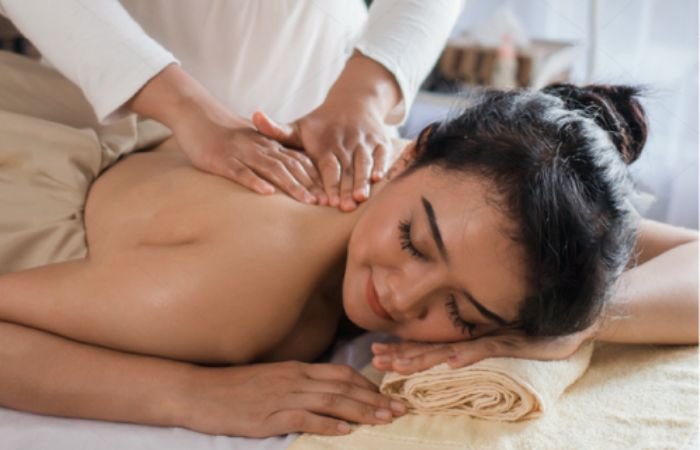
In this massage, the therapist uses three main methods. They use acupressure to press key points on the body. They also use stretching to loosen tight muscles. On top of that, they guide your body into yoga-like movements. So, your body feels both relaxed and active at the same time.
This massage does not use oils. You wear comfortable clothes and lie on a mat on the floor. The experience feels calm, slow, and peaceful. Many people feel light, relaxed, and refreshed after the session.
What is Thai Yoga Massage?
Thai yoga massage is a simple and gentle body therapy. It mixes yoga and massage together to help the body feel relaxed and healthy. In this massage, the therapist moves your body into easy yoga-like positions. You do not need to do anything. The therapist gently stretches your arms, legs, back, and even your joints. These slow movements help release tight muscles and reduce stiffness.
The therapist also acts like a guide. They use their hands, thumbs, elbows, and sometimes even their body weight to help you stretch in a safe way. Everything happens slowly, so you feel calm and comfortable. This massage also focuses on energy flow in the body. It helps remove blockages and brings balance. As a result, you feel more flexible, lighter and peaceful after the session.
What are the Benefits of Thai Yoga Massage?
Thai yoga massage gives many natural benefits for both body and mind. It helps you feel relaxed, fresh, and more balanced in daily life.
- Improves flexibility and body movement, so your muscles feel loose and you move more freely
- Reduces stress and mental tension, so your mind feels calm and peaceful
- Relieves muscle pain and stiffness with slow stretching and gentle pressure
- Boosts blood circulation and energy levels, so you feel more active and refreshed
- Supports better posture and body balance, helping you stand and move with ease
- Encourages deep relaxation and emotional well-being, so you feel light, happy, and stress-free after the session
Overall, Thai yoga massage helps your body release tension and your mind slow down. Many people feel a deep sense of comfort and renewal after each session.
How Much Does a Thai Massage Cost in the UK
In 2026, Thai massage prices in the UK depend on location, time, and type of service.
- Standard 1-hour massage: Usually costs £50 to £90 in most salons and clinics.
- Average price in the UK: Around £55 to £75 for a normal session.
- London or luxury spas: Prices can rise to £110 to £150+ per hour because of higher demand and location.
Other common options are:
- Traditional 1-hour Thai massage: About £55 to £65 in regular clinics.
- Mobile massage (1 hour): Starts from around £59, where the therapist comes to your home.
- 90-minute session: Usually costs £80 to £95 for longer relaxation.
- 30-minute short massage: Around £30 to £40 for quick relief.
- Couple massage (1 hour): Around £105 to £160 for two people together.
Several things affect the price:
- Location matters: London is more expensive than other UK cities
- Type of massage: Special treatments like herbal compress or hot stone cost more
- Therapist experience: Skilled and trained therapists usually charge higher fees
Tipping is not required, but many people give £5 to £10 if they feel happy with the service.
Are There Any Side Effects or Precautions?
Thai massage is usually safe and relaxing, but it may not suit everyone. People with serious injuries, recent surgery or bone problems should avoid it or ask a doctor first. Pregnant women should also get medical advice before trying it. So, checking your health condition is always important before a session.
However, some people may feel mild soreness after a deep massage. This happens because the therapist stretches tight muscles and joints. Usually, this feeling is normal and goes away in one or two days.
Moreover, drinking water after the session helps your body recover faster. It also helps remove tension from the muscles. Because of this, choosing a trained therapist is very important. A skilled therapist knows the right pressure and safe techniques. In addition, they adjust the massage based on your comfort level. So, you feel safe, relaxed, and well cared for during the whole experience.
Who Can Benefit from Thai Massage?
Thai massage can help many different people. It supports both the body and mind in a gentle way.
- Office workers with back and neck pain can feel real relief. Long sitting hours often create stiffness, so this massage helps loosen tight muscles. As a result, daily movement feels easier.
- Athletes and active individuals can also benefit. It helps reduce muscle soreness and improves recovery after physical activity. In addition, it supports faster body recovery.
- People with stress or low energy can feel calmer and more refreshed. The slow movements help the mind relax and reset. So, energy levels slowly improve.
- Anyone looking for relaxation and healing can try it. It gives a peaceful feeling and helps the body feel lighter and more balanced.
Overall, Thai massage suits almost everyone who wants to feel better, move easier, and enjoy a calm mind.
What Techniques are Used in Thai Massage?
Thai massage uses simple and natural methods to help your body relax and feel better. It works gently on muscles, joints, and energy flow. To begin with, the therapist stretches your body in easy yoga-like positions. These slow and careful movements help your muscles loosen and feel less tight. You do not need to move, so your body can fully relax.
After that, the therapist applies gentle pressure along energy lines. This rhythmic pressing follows a steady pattern, which helps improve blood flow and makes you feel calm. At the same time, the therapist moves your joints in a smooth way and uses light compression. This helps reduce stiffness, improve flexibility and support better movement in daily life.
Different body parts also come into use. The therapist uses hands, thumbs, elbows, knees, and feet to give the right amount of pressure. Each part helps reach different areas of the body. As the session continues, your body starts to feel lighter and more open. In the end, you feel relaxed, refreshed, and full of calm energy.
What is the History of Thai Massage?
Traditional Thai massage, also called Nuad Thai, is a very old healing method. It started more than 2,500 years ago and people still use it today.
- Who started it: Jivaka Komarabhacca, also called Shivago Komarpaj, started this method. He was a doctor for the Buddha and a king. So, the practice has deep roots in history.
- Where it comes from: It mixes ideas from Indian Ayurveda, yoga, Chinese healing, and Buddhism. These ideas came together over time and shaped this unique massage.
- Early use: Monks taught this massage in temples. They shared the knowledge by speaking and practice. People called it Nuad Boran, which means ancient massage.
- How it works: The therapist uses hands, thumbs, elbows, and feet to press the body. They also move and stretch your body in simple yoga-like ways. You stay fully clothed and lie on a mat.
- Energy lines: The therapist works on energy lines called “Sen.” There are 10 main lines. This helps improve energy flow and remove blockages in the body.
- Benefits: It helps reduce pain, improve movement, and relax tight muscles. It also helps the mind feel calm and less stressed. Many people feel light and refreshed after a session.
- Today: It moved from temples to clinics and wellness centres. It is now a recognised therapy in Thailand and other countries.
- In the UK (2026): Thai massage is growing fast. Many people use it for stress, body pain and better flexibility. It is now seen as a real and helpful therapy.
- Rules: The UK now has stricter rules for safety. Therapists need proper training and licences. So, people look for skilled and certified therapists for better and safer care.
How is Thai Massage Different from Other Massage Types?
Thai massage feels very different from many other massage styles. It focuses on movement, stretching, and energy flow, not just rubbing muscles.
Thai massage vs Swedish massage:
Swedish massage uses oils and long, soft strokes on the skin. It helps you relax in a slow and gentle way. You lie on a massage table, and the therapist mainly works on your muscles with smooth hand movements. In contrast, Thai massage uses no oils. You stay fully clothed and lie on a mat on the floor. The therapist stretches your body, moves your limbs, and applies pressure on points. So, Thai massage feels more active and includes full body movement, almost like assisted yoga.
Thai massage vs deep tissue massage:
Deep tissue massage uses strong and deep pressure to reach inner muscle layers. It often helps with strong muscle pain, stiffness and tight knots, but it can feel intense or uncomfortable for some people.
On the other hand, Thai massage uses stretching, joint movement, and rhythmic pressure. It feels more flowing, balanced, and gentle for many people.
Overall, the key differences come from pressure, method, and purpose. Thai massage uses stretching, body movement, and energy work. Other massages focus more on rubbing and deep muscle pressure. Because of this, Thai massage often feels like a mix of yoga and relaxation. It leaves you feeling light, calm, and refreshed.
How Often Should You Get a Thai Massage?
The right frequency depends on your body, stress level, and daily routine. Some people prefer a session every week when they feel tired or stressed. Generally, one massage every two to four weeks works well for most people. It keeps the body relaxed, flexible and balanced.
However, your lifestyle also plays a big role. If you sit for long hours, do physical work, or feel constant stress, you may need it more often. In addition, regular sessions give better long-term benefits. They help reduce stress, improve blood flow and keep muscles loose. As a result, your body feels lighter, healthier, and more active over time.
Final Words About Thai Massage
Thai massage is a simple and natural way to relax your body and mind. It helps you feel calm, reduces stress, and makes your muscles loose. It also improves flexibility and eases body pain. With regular sessions, your body feels lighter and more active in daily life.
If you want to learn more, you can read “Thai Massage Therapy & The Techniques for Pain Relief” in this blog from Wise Campus. It explains easy methods and benefits in a simple way. Overall, Thai massage is safe, gentle, and helpful. It is a good choice for relaxation and better health.
Frequently Asked Questions (FAQs)
1. Do I take all my clothes off for a Thai massage?
- No. You stay fully clothed. Wear loose, comfortable clothes.
2. Does Thai massage help arthritis?
- It may help reduce pain and stiffness. But it does not cure arthritis.
3. Can a masseuse touch private areas?
- No. A professional massage never involves private areas.
4. Can a Thai massage help sciatica?
- Yes, it may help reduce pain and loosen tight muscles.
5. What not to do before a Thai massage?
- Do not eat a heavy meal. Avoid alcohol. Stay hydrated.
6. What are red flags to watch out for during a massage?
- Poor hygiene, no consent, rude behaviour, or inappropriate touching.
7. How long does a Thai massage usually last?
- Most sessions last 60 to 90 minutes.
8. What massage is best for arthritis?
- Gentle massage like Swedish or light Thai massage may help. Ask a doctor first.
9. Are Thai massages safe?
- Yes, they are usually safe if done by trained therapists.
10. What happens if I climax during a massage?
- It can happen sometimes due to body response. A professional therapist stays calm and continues respectfully.
11. What does B2B mean in massage?
- It can mean different things, but in proper clinics it is not a standard medical term. Always ask the service clearly.
12. What does popping mean during a massage?
- It is often a joint sound from gas release. It is usually normal if there is no pain.
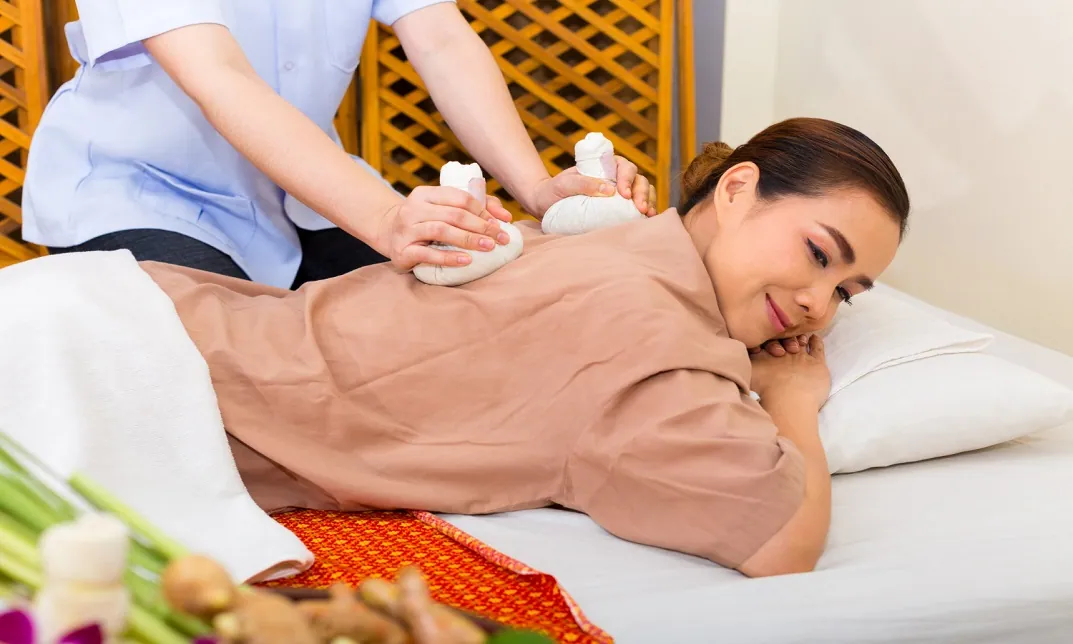
Thai Massage Therapy & The Techniques for Pain Relief
Course Description :
- Certificate: Yes(Free)
- Accreditation: CPD Accredited
- Access: Lifetime