No products in the cart.
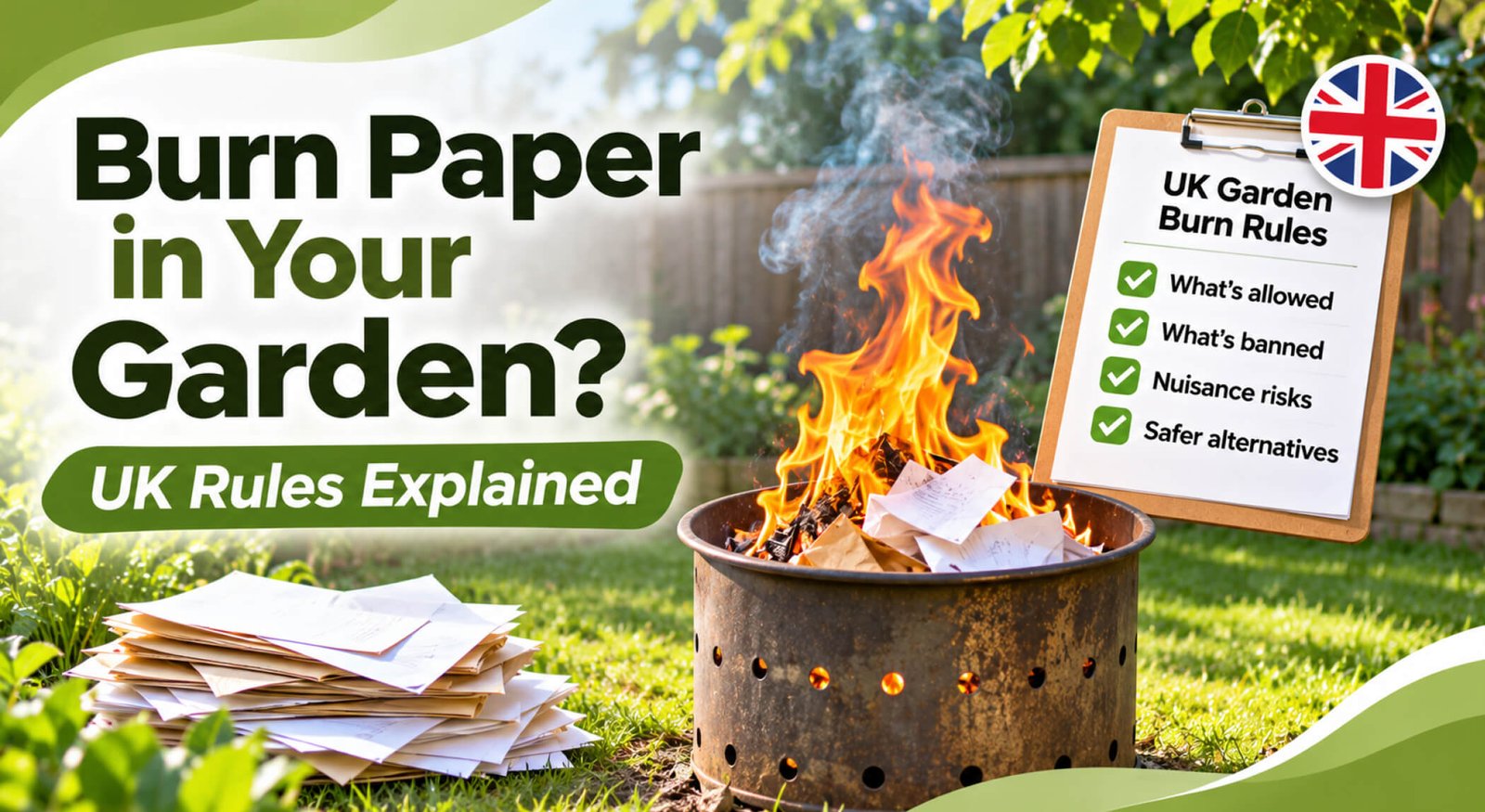
Many people burn old letters, newspapers and unwanted papers to clear waste. However, burning paper can create smoke and disturb your neighbours. Some paper types may also release harmful fumes when burnt. So, it is important to know what the law says before lighting a garden fire. Can you burn paper in your garden?
You can burn paper in your garden in the UK but you must follow some rules. Smoke must not disturb your neighbours or block drivers’ views on nearby roads. Never burn paper mixed with plastic or other harmful items. Recycling old paper is a safer and easier way to get rid of it. So, check your local council’s rules before lighting a fire in your garden.
Can You Burn Paper in Your Garden Without Permission?
In the UK, garden bonfires are not always illegal. However, you must follow waste rules and avoid causing harm. Burning paper can create smoke that bothers your neighbours and harms their health. Some types of paper may also release harmful fumes when burnt.
Your local council may step in if your smoke bothers neighbours or makes roads unsafe. But does that mean you cannot burn paper in your garden? The rules depend on the paper you burn and your local council’s advice. Recycling is a better way to get rid of old paper. You can also use your local waste collection service to clear unwanted paper.
What are the UK Rules on Burning Paper?
UK garden bonfire laws do not ban every garden fire. However, you must follow rules when burning household waste. GOV.UK says you must not get rid of waste in ways that cause pollution or harm people’s health. This can include burning unwanted paper. Always think about the smoke and its effects on others.
The Environmental Protection Act 1990 allows councils to act against smoke that causes a legal nuisance. They can issue a notice to stop the problem. The Clean Air Act 1993 may also apply in smoke control areas. As local rules can vary, check your council’s advice before burning paper.
Which Types of Paper Can You Burn?
Not all paper is safe to burn in your garden. Clean, dry paper burns more easily than wet paper. However, some paper can give off harmful smoke. Glossy and plastic-coated paper may release harmful fumes. Your local council may also have rules about burning waste. Check its advice before burning any paper.
- Clean paper: Plain paper may be suitable for a bonfire.
- Newspapers and letters: Recycling these is usually better than burning them.
- Glossy paper: Coated paper releases harmful fumes when burnt.
- Laminated paper: Avoid burning paper with plastic coatings or layers.
- Dirty paper: Paper with oil, chemicals or other waste may release harmful smoke.
- Dry paper: Dry paper burns easily but that does not mean burning it is always legal.
Can You Burn Newspapers, Magazines and Cardboard?
Newspapers, magazines and cardboard often end up as household waste. However, recycling them is usually better than burning them. You can often recycle clean newspapers, magazines and cardboard boxes through your local council. Check the recycling rules before throwing them away.
Cardboard fires can release lots of smoke into the air. Do not burn boxes with plastic or shiny layers. Remove all tape and plastic before recycling cardboard. Glossy magazines may also need special recycling. Check your local council’s rules to find the right way to recycle them.
What Paper Should You Never Burn?
Some paper can give off harmful smoke when burnt. Avoid burning paper with plastic coatings, foil gift wrap or shiny layers. Paper covered in paint, oil or chemicals can also release harmful fumes. Burning plastic, rubber and foam can make the smoke even more dangerous.
So, keep these items out of your garden fire. Never throw batteries, spray cans or chemical containers into a fire. They can explode or release harmful fumes. Instead, keep these items separate from ordinary waste. Remember, using a metal bin or garden burner does not make unsafe waste safe to burn.
Can Burning Paper Cause Smoke Nuisance?
Burning paper can send smoke into nearby homes and gardens. The smoke can make it hard for people with asthma to breathe. It can also make it harder for drivers to see the road. The smell may enter homes through open windows and spoil time outdoors. Even a small fire can upset neighbours if the wind carries smoke towards them.
Too much smoke can become a legal problem. Your local council can check the issue and take action if needed. However, not every garden fire breaks the law. Recycling paper is a better way to avoid smoke. Choose paper recycling instead of burning it to protect your neighbours from smoke.
Can You Get Fined for Burning Paper in Your Garden?
Burning paper in your garden can lead to a fine in some cases. The penalty depends on what happened and which law you broke. For example, smoke that makes a road unsafe can lead to legal trouble. You may also face action if smoke causes a serious problem for your neighbours.
- Smoke on roads: Smoke that puts drivers at risk can lead to legal action.
- Council notices: Your council can issue a notice if smoke causes a legal nuisance.
- Ignoring a notice: You may face prosecution and a fine if you fail to follow the notice.
- Appeal period: You usually have 21 days to challenge an abatement notice in England and Wales.
- Avoiding fines: Follow local rules and use proper waste collection or recycling services.
When Can You Have a Garden Bonfire?
You can have a garden bonfire in the UK at any time, as there is no general law that limits bonfires to certain hours. However, the wrong time can cause problems for you and your neighbours. Avoid lighting a fire when strong winds may carry smoke towards nearby homes, roads or gardens.
Choose a calm day when the smoke is less likely to disturb others. Also, avoid early mornings, late evenings and times when your neighbours may dry clothes outside. Before lighting a bonfire, check your local council’s rules. Remember, a bonfire must not cause harmful smoke or become a nuisance.
How Can You Burn Garden Waste More Safely?
Recycling or collecting garden waste is usually better than burning it. If you need a lawful garden fire, burn only suitable, dry materials. Keep the fire far from houses, fences, sheds and trees. Check the weather and wind direction before lighting it. These tips can help prevent fires and reduce smoke.
Keep children and pets away from the fire. Check piles of garden waste for wildlife before burning them. Keep water or a hose nearby in case the fire spreads. Never leave the fire alone, even for a short time. Do not use petrol or paraffin to start a fire. Remember, these safety steps do not make burning banned waste legal.
What are the Best Alternatives to Burning Paper?
Recycling is an easy way to get rid of old paper. You can often recycle newspapers, magazines, letters and office paper through your home recycling service. Some councils also accept brown paper with cardboard. Check your local rules before recycling these items.
You can use your local council’s waste service or take paper to a recycling centre. Shred private letters before recycling them. You can also put some plain paper in your compost bin. However, do not add shiny paper or paper with plastic on it. These simple steps help you get rid of paper safely.
Can You Report a Neighbour for Burning Paper?
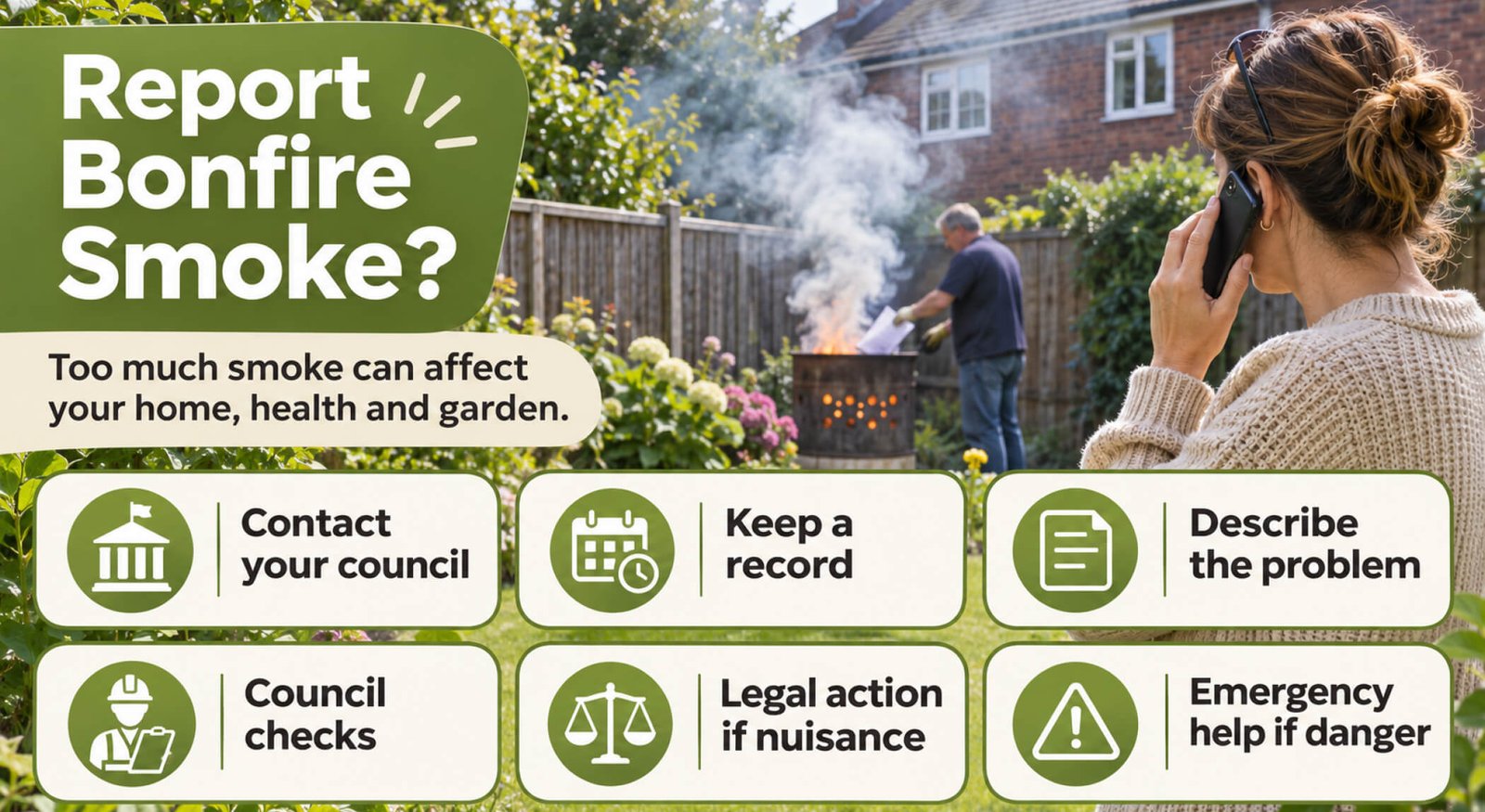
You can contact your local council if a neighbour’s bonfire creates too much smoke. The smoke may enter your home, affect your health or make it hard to enjoy your garden. If you feel safe, try speaking to your neighbour politely first. They may not realise how much the smoke affects you.
- Contact your council: Report smoke that causes problems in your area.
- Keep a record: Note the dates, times and length of each fire.
- Describe the problem: Explain how the smoke affects your home or daily life.
- Council checks: The council can investigate your complaint and check the evidence.
- Legal action: Council may issue a notice if the smoke causes a legal nuisance.
- Emergency help: Contact emergency services if the fire creates immediate danger.
What Should You Know about Smoke Control Areas?
A smoke control area is a place with special rules to limit smoke from homes and buildings. These rules mainly cover smoke from chimneys and the fuels people burn. However, garden bonfires are not automatically banned in these areas. You must still follow the rules that apply to your fire.
The Clean Air Act 1993 covers smoke control rules in the UK. However, these rules do not give you free permission to burn any waste. Smoke that harms others or causes a legal nuisance can still lead to action. Check your local council’s advice if you are unsure about burning paper or other waste in your garden.
Final Thoughts
So, can you burn paper in your garden? In the UK, you can burn paper but you must follow rules and avoid causing problems for your neighbours. Smoke can affect people nearby and create health risks. So, check your local council’s advice before lighting a fire. Recycling old paper is often a safer and easier choice. It also helps reduce waste and protect the environment.
Want to learn how to prevent fires and stay safe? Join our Fire Safety Course and learn how to stay safe from fire.
FAQs about Can You Burn Paper in Your Garden
1. Is it safe to burn paper outside?
- Burning paper outside can create smoke and harmful fumes. Recycling paper is usually a safer choice.
2. What can you legally burn in your garden?
- Dry leaves, small branches and twigs may be suitable for burning. However, check your local council’s rules before lighting a fire.
3. Can I burn cardboard in my garden in the UK?
- Recycling cardboard is a better choice than burning it. Burning cardboard can create smoke and disturb your neighbours.
4. Can you report neighbours for burning garden waste?
- Your local council can help if smoke from a neighbour’s garden fire causes problems. Contact the council to report the issue.
5. Can I burn old paperwork in my garden?
- Burning old paperwork can create smoke and affect your neighbours. Shredding or recycling unwanted papers is often a better option.
6. Can I have a small fire in my back garden?
- Small garden fires are allowed in many cases but you must follow local rules. Keep smoke away from neighbours and nearby roads.

Level 2 Fire Safety Course
Course Description :
- Certificate: Yes(Free)
- Accreditation: CPD Accredited
- Access: Lifetime