


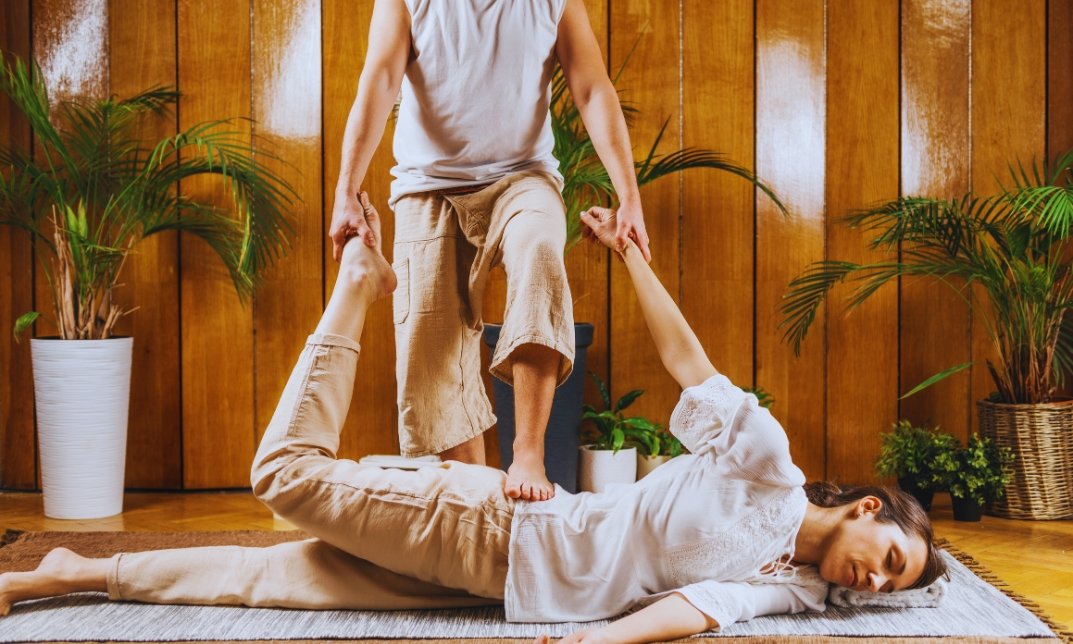
Thai yoga massage is a simple and natural way to relax your body and mind. It is often called “lazy person’s yoga” because the therapist helps move and stretch your body. This massage combines gentle stretching, pressure points, and slow movements to release tension. The benefits of Thai yoga massage include better flexibility, less body pain, improved blood flow, and lower stress. It can help you feel calm, relaxed, and refreshed. Many people choose Thai yoga massage to ease muscle tightness, improve posture, and bring balance to their body and mind. It is a great choice for anyone looking for deep relaxation and gentle healing.
Thai yoga massage is an old healing practice that combines massage, yoga stretches, and gentle movements. It started in Thailand more than 2,500 years ago and helps people relax and feel better.
Unlike a normal massage, Thai yoga massage does not only use rubbing and oils. The therapist uses their hands, thumbs, and body weight to stretch and move your body. They use gentle stretches, pressure points and slow movements to relax tight muscles. These techniques help reduce tension and improve flexibility. Moreover, Thai yoga massage also focuses on Sen lines, which are energy paths in the body. Many people believe working on these lines helps improve balance and relaxation.
During a session, you usually lie on a mat on the floor and wear loose, comfortable clothes. The therapist gently moves your body through different stretches, helping you feel calm, relaxed, and refreshed.
Thai yoga massage offers many benefits for your body and mind. It combines gentle stretching, pressure, and slow movements to help you feel relaxed, flexible, and refreshed. Whether you feel stressed, stiff, or tired, this massage can support your overall wellbeing. Now, let’s look at these benefits in more detail and learn how Thai yoga massage can help your body and mind.
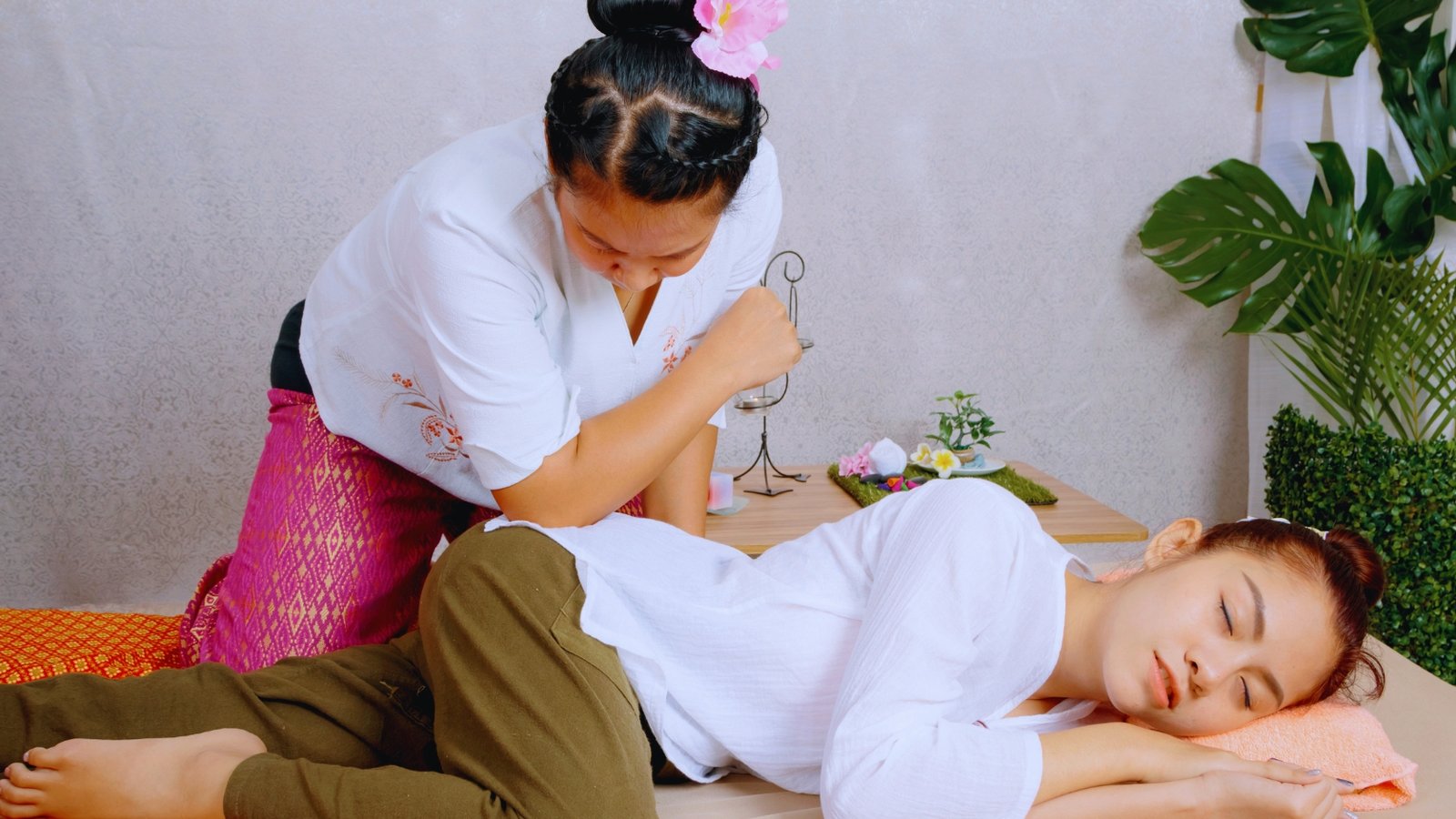
Thai yoga massage uses gentle stretches to loosen tight muscles and improve body movement. Regular sessions may help you become more flexible and move with less discomfort. Moreover, it can also help people who sit for long hours, as sitting for too long can make the body feel stiff.
Slow movements and light pressure help your body and mind feel calm. Thai yoga massage can help reduce stress and make you feel more relaxed. When your body feels peaceful, it can improve your mood and support better overall wellbeing.
Thai yoga massage focuses on areas where tension often builds up. The therapist uses stretches and pressure techniques to relax tight muscles in the neck, shoulders, back, hips and legs. Also, it can help you feel more comfortable after busy days or physical activities.
Poor posture often happens because of tight muscles and long hours of sitting. Thai yoga massage helps release tension and supports better body alignment. Moreover, it may help people who work at desks or spend many hours using computers.
The gentle movements in Thai yoga massage help improve blood flow throughout the body. Better circulation supports muscle recovery and helps your body receive more oxygen and nutrients.
Thai yoga massage helps release tension and leaves many people feeling fresh and energised. By relaxing the body, it can reduce tiredness and help you feel more balanced.
A relaxed body can make it easier to rest at night. Thai yoga massage may help lower stress and calm your mind, which can support deeper and better-quality sleep.
Thai yoga massage uses gentle stretches, pressure, and slow movements to help your body relax. Each session follows a few simple steps to make you feel comfortable. First, the therapist talks with you about your body and asks if you have any pain or tight areas. This helps them understand what your body needs.
Next, you lie on a soft mat on the floor and wear comfortable clothes. The therapist gently stretches your body and uses pressure on different areas to release tension. During the massage, the therapist changes the movements based on your comfort level. They use softer or stronger pressure depending on what feels right for you.
Finally, you take some time to relax after the session. Many people feel calm, refreshed, and more flexible after Thai yoga massage.
Thai yoga massage and traditional massage both help you relax and feel good. However, they use different techniques and focus on different parts of the body. Let’s look at the main differences between them.
Thai yoga massage uses gentle stretching, slow movements, and pressure techniques. During the session, the therapist helps move your body into different stretches, similar to yoga. This can help improve flexibility and reduce body stiffness.
You usually lie on a soft mat on the floor and wear comfortable clothes. The therapist uses their hands, thumbs, and body weight to apply gentle pressure to different areas. This massage focuses on body movement, flexibility, balance, and energy flow.
Traditional massage mainly uses hand movements and pressure to relax your muscles. The therapist may use rubbing, kneading, and pressing techniques to release muscle tension.
You usually lie on a massage table during a traditional massage. Many people use massage oils, and they may remove some clothing for easier treatment. This type of massage mainly focuses on relaxing muscles, reducing stress, and easing body tension.
The biggest difference is the use of movement. Thai yoga massage includes more stretching and body movement, while traditional massage focuses more on relaxing muscles through touch and pressure.
Thai yoga massage can be a good choice if you want to improve flexibility and feel more active. Traditional massage may suit you if you want simple muscle relaxation and stress relief.
Both massages can help you feel calm, refreshed, and comfortable. The best option depends on your personal needs and what your body needs at the time.
Thai yoga massage can help many people feel relaxed and comfortable. It supports both the body and mind. Here are some people who may benefit from this massage:
Thai yoga massage is safe for many people, but some people may feel mild side effects after a session. Your muscles may feel a little sore, especially if your body is not used to stretching. This feeling usually goes away after some rest.
Sometimes, certain stretches may feel uncomfortable at first. However, Thai yoga massage should not cause severe pain. Always tell your therapist if you feel any discomfort during the session.
It is important to choose a trained therapist who knows how to move and stretch your body safely. Also, if you have an injury or health condition, speak with a healthcare professional before trying Thai yoga massage. This can help you enjoy a safe and relaxing experience.
Thai yoga massage uses gentle techniques to help your body relax and feel good. The therapist uses stretching, pressure and slow movements to help release tension and improve movement.
Together, these techniques help you relax, move better, and feel refreshed after a Thai yoga massage session.
Thai yoga massage is a simple way to relax your body and mind. The benefits of Thai yoga massage include better flexibility, less muscle pain, lower stress, and improved movement. This massage uses gentle stretches, pressure, and slow movements to help you feel calm and refreshed. It can be a good choice for anyone who wants to relax and feel better. Always choose a trained therapist and tell them if you feel uncomfortable. Overall, Thai yoga massage can help you feel more relaxed, balanced, and comfortable.

©Wise Campus. All rights reserved.